
This course is comprehensively structured to cover the entire syllabus with complete conceptual clarity and strategic guidance.
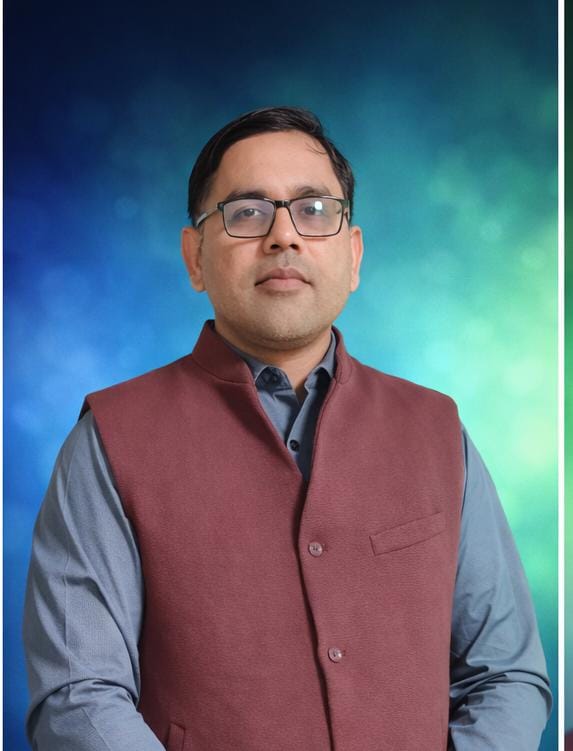
Pankaj Shukla is an accomplished UPSC educator, Sociology Optional faculty member, academic mentor, and content developer with over 15 years of experience in the Civil Services Examination ecosystem. His extensive engagement with UPSC and State Civil Services preparation encompasses classroom teaching, academic mentoring, curriculum and content development, test-series design, answer-writing guidance, and examination strategy. He has guided thousands of aspirants through different stages of Civil Services preparation.
His core academic expertise includes Sociology Optional, Indian Polity, Governance, General Studies, Current Affairs Analysis, Prelims Strategy, Mains Answer Writing, and UPSC-oriented content development. His teaching methodology focuses on conceptual clarity, multidimensional analysis, contemporary application of sociological concepts, structured answer writing, and personalised academic guidance.
Over the years, he has taught and mentored Civil Services aspirants through Analytics IAS Academy and has served as Sociology Optional Faculty with institutions including Samarthya IAS, Guidance IAS Institute, Vimarsha IAS, and Maluka IAS. His academic responsibilities have included teaching Sociology Paper I & II, Polity and Governance, conducting test discussions and answer-writing sessions, developing academic content, and providing individual mentorship to aspirants.
He was also associated with Unacademy as a UPSC Educator from 2020–2022, delivering online sessions and courses in Sociology, Polity, and UPSC strategy. His digital teaching initiatives generated 1 million+ watch minutes, demonstrating substantial learner reach and engagement.
His academic interests encompass Sociology, public affairs, governance, social change, inequality, institutions, and human behaviour. His approach combines a deep understanding of the Civil Services examination with the application of sociological theories to contemporary issues, enabling students to develop analytical and multidisciplinary perspectives.