
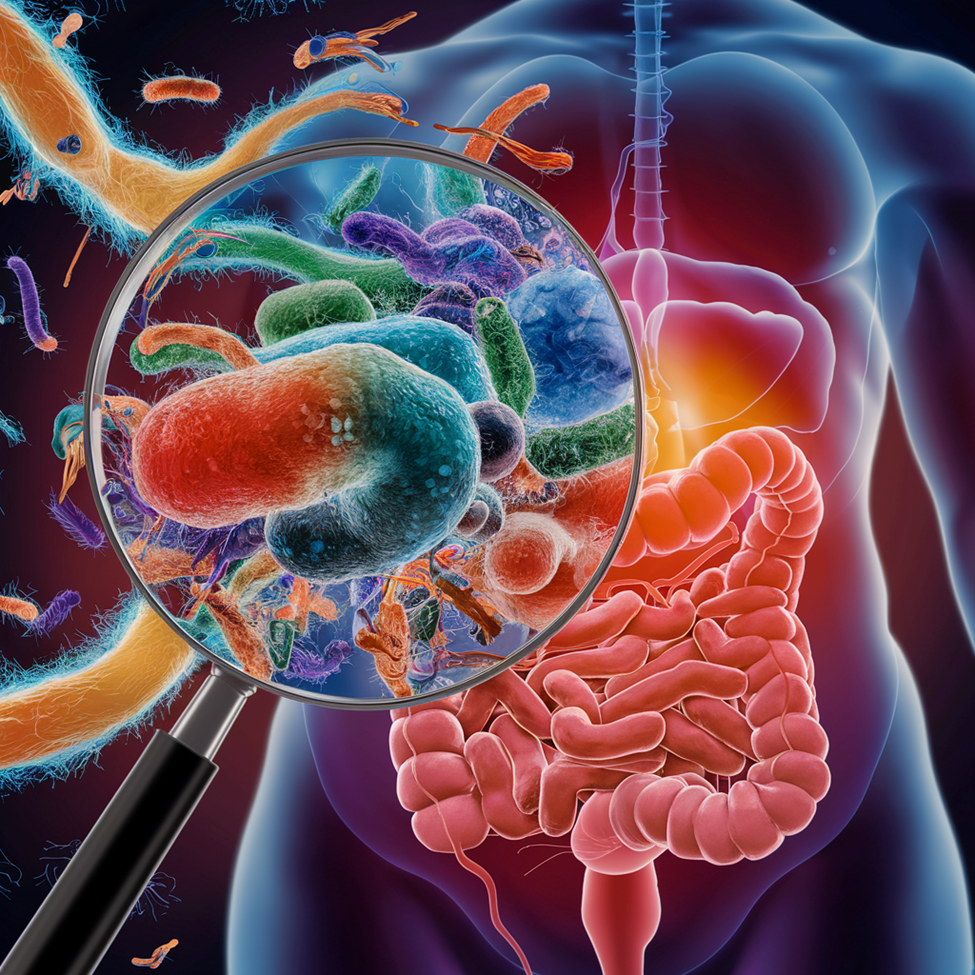
The human microbiome refers to the vast community of microorganisms (bacteria, viruses, fungi) residing within the human body, particularly the gut. It is often termed a “supporting organ” due to its indispensable role in human physiology.
Core Functions:
- Metabolic: Aids digestion and synthesizes essential vitamins (e.g., K, B) and amino acids.
- Immune: Plays a critical role in regulating and training the host immune system.
- Protective: Defends against pathogens by strengthening the gut barrier and competing for resources.
- Health Implications: Dysbiosis
A microbial imbalance, or dysbiosis, is strongly correlated with a rise in non-communicable diseases (NCDs), including:
- Obesity and Type 2 Diabetes
- Inflammatory Bowel Diseases (IBD)
- Autoimmune disorders
- Key Challenge: Antimicrobial Resistance (AMR)
The overuse of antibiotics severely disrupts the microbiome, killing both pathogenic and beneficial microbes. This disturbance is a primary driver of antimicrobial resistance, a significant global public health threat.
- Therapeutic Frontiers:
Emerging interventions aim to restore microbial balance, including probiotics, prebiotics (high-fiber diets), and Fecal Microbiota Transplantation (FMT).
II. The Environmental Microbiome: Planetary Ecosystem Services
Microbiomes are ubiquitous and essential for planetary health, providing critical ecosystem services.
- Nutrient Cycling: Microbes drive the global carbon, nitrogen, and phosphorus cycles.
- Bioremediation: They possess the ability to degrade environmental pollutants, such as industrial waste and oil spills.
- Climate Regulation: They are integral to processes governing greenhouse gas emissions (methane, nitrous oxide) and carbon sequestration.
- Agricultural Support: Soil microbiomes are fundamental to soil fertility and plant health (e.g., nitrogen fixation).