
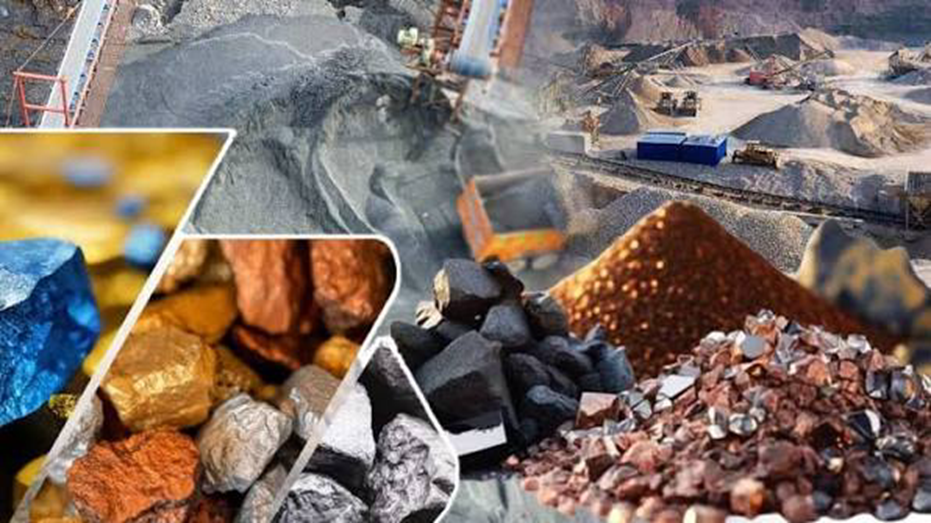
Context :- The Union Cabinet has approved the rationalisation of royalty rates for key critical minerals graphite, caesium, rubidium, and zirconium to reduce import dependency and improve supply chain resilience.
Overview of Critical Minerals :
Critical minerals are resources essential for modern technology and national security that face high supply chain risks. Their “criticality” evolves based on technological demand and supply dynamics. These minerals are vital for defence, aerospace, and low-emission technologies, including electric vehicles, solar panels, and batteries.
India’s Critical Minerals Framework :-
In 2023, India designated 30 resources as critical minerals, including Lithium, Cobalt, Graphite, and Rare Earth Elements (REEs).
- Legislation: 24 critical minerals were added to the Mines and Minerals (Development and Regulation) Act(MMDR Act) , granting the Central Government exclusive auctioning rights.
- Oversight: A Centre of Excellence for Critical Minerals (CECM) was established to advise policy and update the list.
National Critical Mineral Mission (NCMM):
Launched in 2025, the NCMM aims to secure self-reliance across the entire critical mineral value chain. An Empowered Committee will coordinate its implementation.
Key objectives include:
- Exploration: Expanding domestic exploration (via GSI) and acquiring 50 overseas mining assets.
- Recycling: Implementing an INR 1500 crore incentive scheme to maximize material recovery.
- Stockpiling: Creating a national stockpile of at least five critical minerals to mitigate supply disruptions.
- Research: Achieving processing self-sufficiency in key minerals and establishing new Centres of Excellence.