
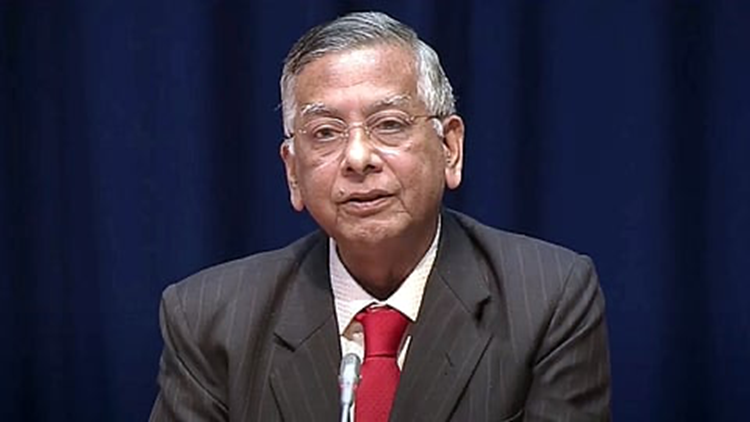
About :- The Attorney General (AGI) is the highest law officer of India, established by Article 76 of the Constitution. As the chief legal advisor to the Union Government, the AGI is part of the Union Executive.
Appointment, Tenure, and Removal :-
- Appointment: Appointed by the President.
- Qualifications: Must be qualified to be appointed as a Judge of the Supreme Court.
- Term: Not fixed by the Constitution. Holds office during the pleasure of the President.
- Remuneration: Determined by the President.
- Removal: The Constitution does not specify grounds or procedure for removal.
Key Functions and Parliamentary Rights :-
- Advises the Union Government on legal matters referred by the President.
- Represents the Government of India in the Supreme Court (and High Courts as required).
- Represents the Government in any reference made by the President to the Supreme Court under Article 143 (Advisory Jurisdiction).
Rights and Privileges :-
Right of Audience: The AGI has the right of audience in all courts in the territory of India.
- Parliamentary Privileges (Article 88): The AGI has the right to speak and take part in the proceedings of both Houses of Parliament (or their joint sitting) and any Parliamentary committee.
- Crucial Limitation: The AGI does not have the right to vote in Parliament.
- Immunities (Article 105): Enjoys all privileges and immunities available to a Member of Parliament.
Status and Limitations :-
- The AGI is not a full-time counsel for the Government and does not fall into the category of a “Government Servant.”
- Consequently, the AGI is not debarred from private legal practice, provided it does not conflict with their duties (e.g., must not advise against the Government or defend accused persons in criminal cases without permission).
Solicitor General of India :-
- The Solicitor General (and Additional Solicitors General) assists the AGI.
- This office is statutory (not constitutional) and is not mentioned in the Constitution.
