
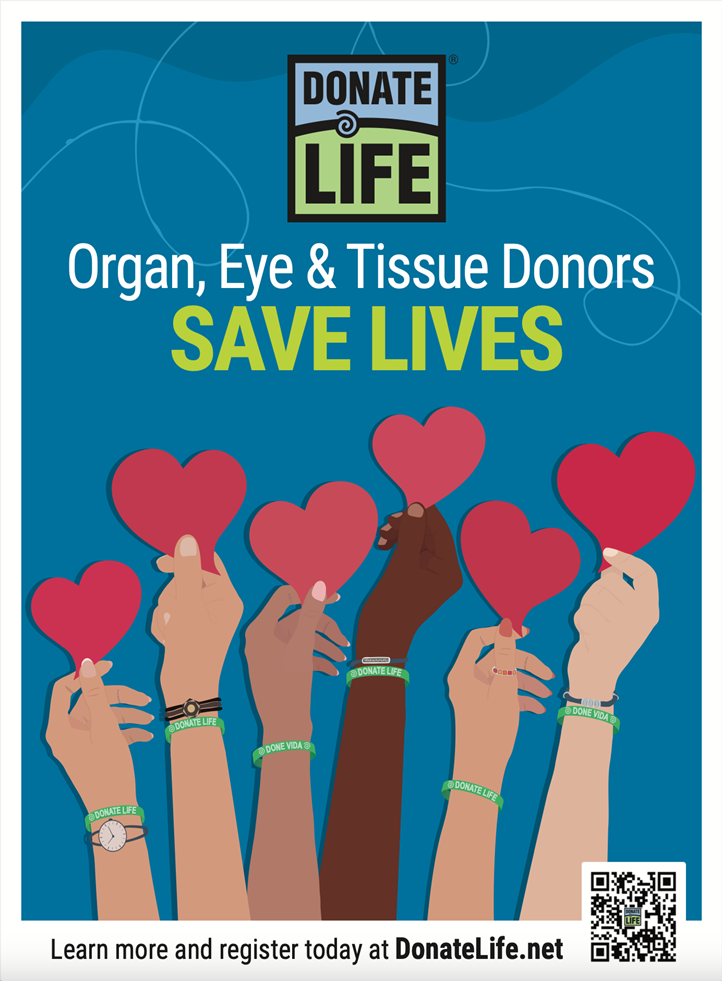
Context :- The Union Health Ministry has amended the Transplantation of Human Organs and Tissues Rules, 2025 to promote corneal donation and transplantation. The amendment removes the mandatory use of clinical specular microscopes, easing infrastructure norms for smaller eye centres. The move seeks to enhance accessibility and equity in eye care under the National Organ Transplant Programme (NOTP), addressing India’s high burden of corneal blindness.
2025 Amendment :-
- Specular Microscope Requirement Removed:Specular microscope no longer mandatory for corneal transplants.
- Aims to ease infrastructure burden on small and rural eye centres.
- Enhances accessibility and equity under the National Organ Transplant Programme (NOTP).
- Supports government vision to boost cornea donation and transplantation nationwide.
Fundamentals of Organ Transplantation :
- Definition: A medical procedure to save lives from terminal organ failures (e.g., heart, kidneys, liver, lungs).
- Risk of Rejection: The recipient’s immune system may attack the donor organ. This necessitates lifelong use of immunosuppressive medication.
- Allocation Criteria: Matching typically involves:
- Blood type and organ size.
- Time spent on the waiting list.
- Medical urgency and distance.
- Degree of immune-system match.
- Xenotransplantation: Transplantation of cells, tissues, or organs from a non-human animal source.
Types of Organ Donation
- Living Organ Donation: Retrieval of an organ (commonly kidney or liver, due to its regenerative capacity) from a healthy living donor.
- Deceased Organ Donation: Donation from a person declared brain stem dead.
- Brain Stem Death: The irreversible loss of consciousness, brain stem reflexes, and breathing.
- Legal Status: In India, deceased donation is permitted only in cases of brain stem death.
Legal and Policy Framework in India :-
- Governing Legislation: The Transplantation of Human Organs and Tissues Act (THOTA), 1994 (amended in 2011 from THOA).
- Mandate: Regulates removal, storage, and transplantation.
- Primary Goal: To prevent commercial dealings (organ trafficking).
- Key Provision: Legally recognizes brain stem death.
- National Organ Transplantation Guidelines (“One Nation, One Policy”):
- No Domicile Requirement: Patients can register in any state.
- Age Limit Removed: The upper age limit of 65 years for registration has been removed.
- No Registration Fees: States are directed not to charge fees for registry enrollment.
- . Institutional Structure
- National Organ Transplant Program (NOTP): Implemented by the Directorate General of Health Services (DGHS) to promote deceased donation, develop infrastructure, and manage the national registry.
National Organ & Tissue Transplant Organisation (NOTTO):
- The apex body for organ procurement, distribution, and surveillance.
- Maintains the Digital National Organ & Tissue Donation and Transplant Registry.
- Allocation Hierarchy: The National Waiting-List Registry is formed by linking hospitals to State Nodal Agencies, which connect to Regional Organ & Tissue Transplant Organisations (ROTTOs), and finally to NOTTO.
- Organ Retrieval Banking Organization (ORBO): Located at AIIMS, Delhi; coordinates cadaver (deceased) organ donation processes.
Current Status and Key Challenges :
- Statistical Status: India ranks 3rd globally in transplant numbers. However, a severe demand-supply gap exists, with over 3 lakh patients on waiting lists.
- Dominance of Living Donors: In 2022, 12,791 out of 15,561 transplants were from living donors, highlighting a critical shortage of deceased donations.
- Private Sector Dominance: Nearly 90% of transplants occur in private hospitals.
Major Challenges:
- Critical shortage of deceased donations.
- Procedural delays in brain death certification.
- Infrastructural gaps, especially in rural areas.
- Socio-cultural and religious hesitancy.
- Zoonotic infection risk from Xenotransplantation.
