
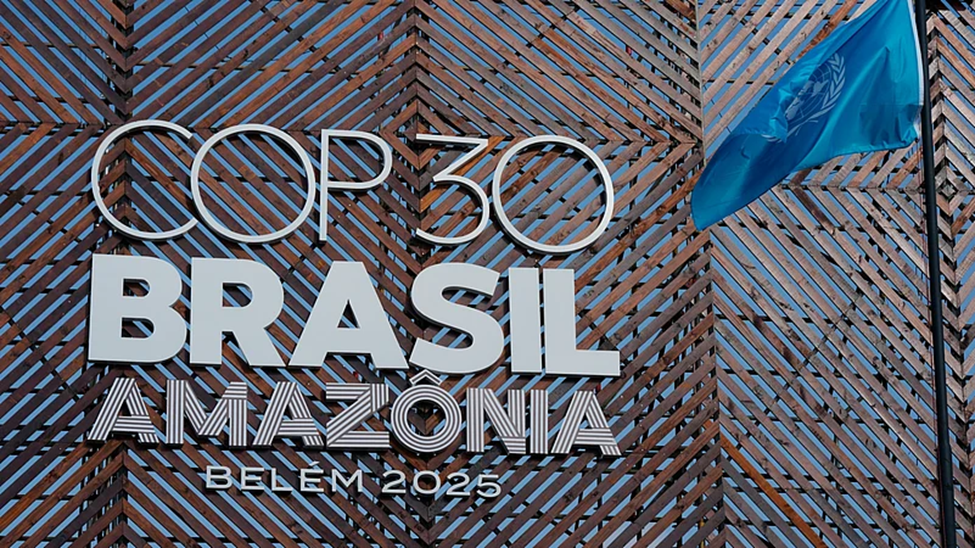
Context: At the COP30 climate conference in Belém, Brazil, India joined 13 countries and the African Islands States Climate Commission in announcing plans for national climate and nature finance platforms, coordinated through the Green Climate Fund (GCF).
National Platform for Climate & Nature Finance
- Objective: To transition from a “fragmented approach” of accessing funds to a streamlined, country-specific investment strategy.
- Participating Nations: India, Cambodia, Colombia, Nigeria, South Africa, and others (Total 16 platforms globally).
- Significance: The platform aims to address the technical barriers and compliance complexities developing nations face when accessing GCF funds.
- Green Climate Fund (GCF)
- About: Established within the framework of the UNFCCC, operational since 2015. It is the world’s largest climate fund.
- Mandate: To support developing countries in Adaptation and Mitigation practices.
- The Goal: To split funding 50:50 between adaptation and mitigation.
Challenges:
- Low Disbursement: Despite $19 billion in commitments, only 25% has been effectively allocated (as of 2024).
India’s Stakes: Projects and Priorities
- Current Status: As of August 2024, India has secured GCF commitments for 11 projects worth $782 million.
- Focus Areas: Water security, clean energy, coastal livelihoods, transport, and climate start-ups.
- Nature of Funding: Predominantly concessional loans.
- Nodal Authority: The Ministry of Environment, Forest and Climate Change (MoEFCC) acts as India’s National Designated Authority (NDA) for GCF interactions.
about COP30: The 30th Conference of Parties (COP30) to the UNFCCC in Belém, Brazil, commences under a geopolitical cloud. The complete absence of a United States delegation and the non-attendance of heads of state from China and India have cast a shadow over the proceedings, signalling potential shifts in global climate leadership.
India’s Key Demands & Strategic Position:
India, represented by its Environment Minister, articulated a decisive agenda focused on equity and accountability:
- Clear Definition: Demanded a universally agreed, transparent definition of “climate finance” to eliminate ambiguity.
- Adaptation Finance: Called for scaling up public finance for adaptation, noting that current needs exceed flows by nearly fifteen times.
- Global Goal on Adaptation (GGA): Pushed for a robust framework under Article 7 of the Paris Agreement to enhance global adaptive capacity and resilience.
- Article 9.1 Enforcement: Reaffirmed the legal obligation of developed nations to provide financial resources for both mitigation and adaptation.
- Technology Transfer: Emphasized that Intellectual Property Rights (IPR) must not act as barriers to transferring climate technology to developing nations.
- Just Transition: Advocated for an inclusive transition that narrows the development gap between the Global North and South.
Internationally Agreed Climate Finance Targets
- Baku to Belém Roadmap (1.3T): Building on the COP29 “Baku Finance Goal,” parties aim to mobilize at least $1.3 trillion in total external finance annually by 2035.
- New Collective Quantified Goal (NCQG): Established a core target for developed countries to mobilize at least $300 billion per year by 2035 for developing nations.
- Glasgow Climate Pact: Reiterated the commitment for developed nations to double adaptation finance to $40 billion by 2025.
