
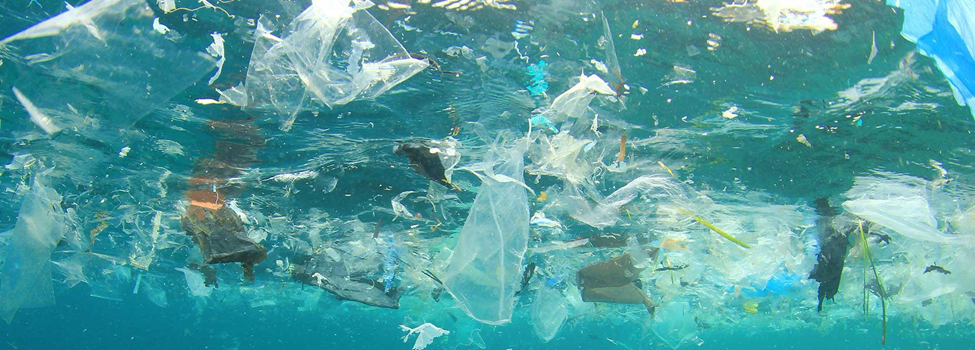
About :- Plastic, a versatile polymer comprising thermoplastics (recyclable) and thermosets (non-recyclable), poses a significant environmental challenge. Addressing plastic pollution requires a multi-pronged approach, including robust recycling methods and a strong regulatory framework.
What Does ‘Recycling’ Really mean?
Plastic recycling is the process of reprocessing scrap or waste plastic into useful products. This is broadly achieved through two distinct methods:
- Traditional Recycling: This conventional method involves melting plastics and mechanically processing them into new products.
- Advanced Recycling: This method uses chemical processes to break down plastic materials. It includes techniques like pyrolysis, chemical recycling, and gasification to recover the polymer’s core components.
What Steps Has India Taken?
India has implemented a comprehensive legal framework to mitigate plastic pollution, focusing on phasing out low-utility items and strengthening the circular economy.
- Single-Use Plastic (SUP) Ban: Since July 1, 2022, the manufacture, import, stocking, distribution, sale, and use of identified SUP items with high littering potential have been banned.
- Plastic Waste Management (PWM) Amendment Rules, 2021:
- Prohibited the identified SUP items by 2022.
- Mandated an increase in the thickness of plastic carry bags—first from 50 to 75 microns, and subsequently to 120 microns.
- Plastic Waste Management (PWM) Amendment Rules, 2022:
- These guidelines provide a framework to strengthen the circular economy of plastic packaging waste.
- They aim to promote the development of new, eco-friendly alternatives to plastic packaging.
- They guide businesses in moving towards sustainable plastic packaging solutions.
Way Forward?
To effectively tackle the plastic menace, a clear vision for the future is essential:
- Embracing a Circular Economy: Shifting from a linear “use-and-throw” model to a circular one where waste is minimized and resources are reused.
- Market Development: Creating a viable and stable market for recycled plastics to make the recycling process economically sustainable.
- Promoting Alternatives: Actively encouraging the widespread adoption of eco-friendly materials such as bamboo, jute, and coconut products to replace plastics.
