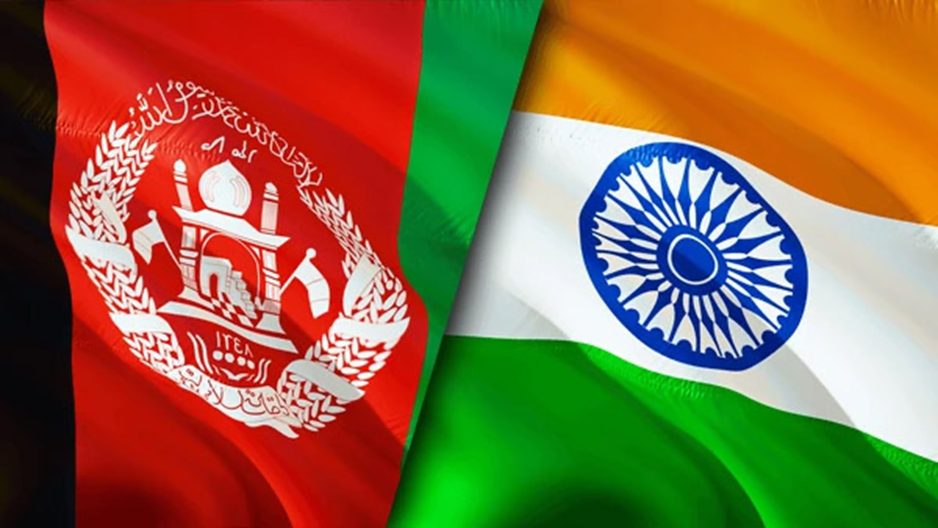
Context : Amid ongoing Pakistan–Afghanistan tensions, Afghanistan’s Industry and Commerce Minister Alhaj Nooruddin Azizi commenced a five-day visit to India, indicating Kabul’s intent to bypass Pakistani ports and strengthen direct commercial linkages with India.
The Strategic Pivot: Why Now?
- Escalating Hostilities: Frequent border closures and diplomatic friction between Pakistan and Afghanistan have severely disrupted traditional supply chains.
- The “Bypass” Strategy: The visit highlights Afghanistan’s urgent intent to utilize alternative connectivity frameworks—specifically the India-Afghanistan Air Freight Corridor and the Chabahar Port—to bypass Pakistani land routes for its commercial requirements.
Strengthening Economic Diplomacy
- Continuity in Engagement: This visit follows the October 2025 visit of Taliban’s Acting Foreign Minister, Mawlawi Amir Khan Muttaqi, during which both nations agreed to operationalize the air freight corridor for direct commerce.
- Diplomatic Upgrade: These high-level exchanges coincide with India upgrading its “Technical Mission” in Kabul to a full Embassy status, signaling a pragmatic shift towards “maximum involvement without formal recognition.”
Trade Diversification: The IITF Connect
- Platform: The Afghan delegation participated in the India International Trade Fair (IITF) 2025, meeting with the India Trade Promotion Organisation (ITPO) to secure greater participation in future trade events.
Export-Import Basket:
- India to Afghanistan: Focus on high-value exports including pharmaceuticals, textiles, machinery, sugar, and tea.
- Afghanistan to India: Promoting the export of agricultural produce (dry fruits, saffron) and minerals, which have a significant market in India.
Why is Afghanistan Strategically Vital for India?
- Geopolitical Counterbalance: Afghanistan is crucial for checking Pakistan’s strategic influence in the region and balancing China’s growing footprint in Central Asia.
- Connectivity Gateway: It serves as the gateway to Central Asia, bypassing Pakistan via strategic projects like the Chabahar Port (Iran) and the Zaranj-Delaram Highway.
- Internal Security: Constructive engagement is essential to prevent the region from relapsing into a hub for anti-India terrorist groups.
- Economic Potential: The country holds untapped mineral wealth (including lithium and rare earths) estimated between $1-3 trillion, offering significant future trade opportunities.
- Soft Power Legacy: India leverages deep-rooted goodwill earned through historical cultural ties and major development projects (e.g., Salma Dam, Afghan Parliament), distinguishing it from other regional players.