
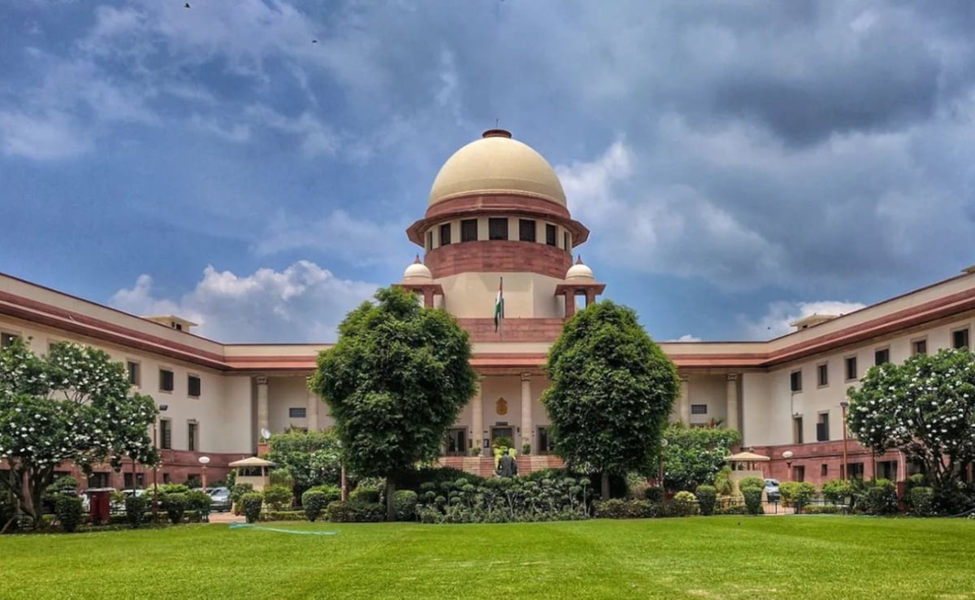
Context :- The Supreme Court on Wednesday directed all High Courts to publicly disclose the time taken by their judges to deliver verdicts in pending cases.
SUPREME COURT :-
The Supreme Court (SC) is India’s highest judicial authority, established under Part V (Articles 124-147) of the Constitution. It functions as the final court of appeal, the ultimate interpreter of the Constitution, and the ‘Guardian of Fundamental Rights’ (primarily via Article 32). It ensures the constitutionality of legislative and executive actions through its power of Judicial Review.
How are Judges Appointed and Removed?
- Appointment: Appointed by the President based on recommendations from the Collegium System (established by the Second and Third Judges Cases).
Qualifications (Art 124(3)): Must be a citizen and:
1. A High Court (HC) judge for at least 5 years; or
2. An HC advocate for at least 10 years; or
3. A distinguished jurist in the President’s opinion.
- Removal (Impeachment): A judge can be removed by the President only for proved misbehaviour or incapacity. This requires a motion passed by a special majority (majority of total membership + 2/3rd of members present and voting) in both Houses of Parliament.
What are the Court’s Key Jurisdictions?
1. Original (Art 131): Exclusive jurisdiction over disputes between the Centre and States, or between two or more States.
2. Writ (Art 32): Issues writs (Habeas Corpus, Mandamus, etc.) for the enforcement of Fundamental Rights.
3. Appellate (Art 132-136): Hears appeals from High Courts. This includes Special Leave to Appeal (SLP) under Article 136, which is the SC’s discretionary power.
4 Advisory (Art 143): Renders non-binding opinions to the President on questions of law or fact.
5.Court of Record (Art 129): Has the power to punish for its own contempt.
How is Judicial Independence Secured?
- Security of Tenure (difficult removal process).
- Salaries and expenses charged to the Consolidated Fund of India (not subject to parliamentary vote).
- Ban on practice after retirement.
- Immunity from discussion of a judge’s conduct in Parliament (except during impeachment).
What are the Primary Challenges Facing the SC?
1. Judicial Pendency: A significant backlog of cases (over 80,000) leading to delayed justice.
2. Appointment Process: The Collegium system faces criticism for being opaque. The National Judicial Appointments Commission (NJAC), an attempt at reform, was struck down by the SC in 2015, leading to a persistent executive-judiciary impasse.
3. Judicial Overreach: The SC is often accused of judicial activism, encroaching on the domains of the legislature and executive.
4. Lack of Diversity: Inadequate representation in terms of gender, caste, and religion within the higher judiciary.
