
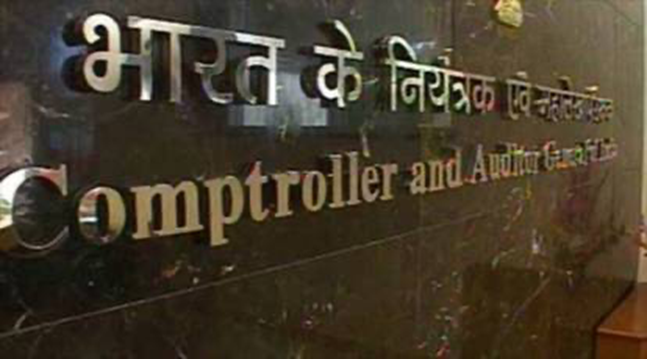
About :- The Comptroller and Auditor-General (CAG) is a constitutional authority (Article 148) who heads the Indian Audit and Accounts Department. The CAG is recognized as the “guardian of the public purse,” responsible for auditing the accounts of the Union and State governments.
Key Provisions and Tenure :–
- Appointment & Term: Appointed by the President for a 6-year term or until age 65, whichever is earlier.
- Core Duties (Art 149): To audit the accounts of the Union, the States, and any other body prescribed by Parliament.
- Reporting (Art 151): Submits audit reports on Union accounts to the President (tabled in Parliament) and on State accounts to the Governor (tabled in the State Legislature).
- Removal: The CAG possesses security of tenure and is not removed at the President’s pleasure. Removal requires a process identical to that of a Supreme Court Judge (a resolution passed by both Houses of Parliament with a special majority).
Independence :-
The CAG’s autonomy is constitutionally secured to ensure impartial audits:
- Security of Tenure: Not subject to executive removal.
- Financial Autonomy: Administrative expenses are “charged upon” the Consolidated Fund of India (not subject to parliamentary vote).
- Service Conditions: Salary (equal to a Supreme Court Judge) and other service conditions cannot be altered disadvantageously post-appointment.
- Post-Retirement Bar: Ineligible for any further office under the Government of India or any State, preventing conflicts of interest.
Limitations :- The office’s primary limitations are that its audits are post-facto (conducted after expenditure) and its findings are advisory, lacking direct enforcement power.
