
Why in News
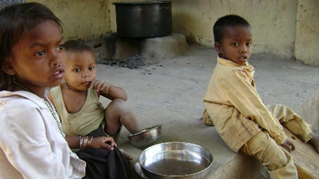
- Recently, Bombay High Court has expressed serious concern over persistently alarming rates of infant mortality and maternal deaths in Melghat region of Amravati District, Maharashtra, drawing attention to government’s negligent approach in addressing malnutrition-induced fatalities among tribal population.
- Court has directed senior government officials to appear and submit detailed action-taken reports, highlighting critical gaps in three decades of government interventions in this tribal-dominated region home to Korku tribal communities.
Background and Context
Historical Persistence of Malnutrition Crisis
- Issue of infant deaths due to malnutrition and maternal deaths due to lack of maternal healthcare has always persisted in Melghat despite three decades of government interventions.
- Main causes of malnutrition have been identified as lack of food, infections, poor access to healthcare, and anaemia, which trigger spike in fatalities.
- Melghat comprises two taluks — Dharni and Chikaldhara — consisting of 324 villages spread across Amravati District.
Judicial Intervention and Trigger
- Bombay High Court on November 12 pulled up Maharashtra and Union governments for “extremely casual” approach to disturbing number of deaths due to malnutrition among infants in Melghat.
- During hearing, petitioner claimed that from June 2025 to date, 65 infants aged between zero and six months had died due to malnutrition in Melghat.
- More than 220 children were in SAM (Severe Acute Malnutrition) category, out of which 50% may die if no help is provided.
- Court slammed government over negligence in following previous court orders in this regard.
- Division Bench directed officials to submit detailed action-taken report and asked principal secretaries of public health, tribal affairs, women and child development, and finance departments to appear in court.
Current Status of Melghat and Maharashtra
Mortality Statistics and Fluctuations
- Infant Mortality Data Over Decade
- Fatalities have fluctuated over past decade in Melghat region.
- According to data from Amravati Zilla Parishad:
- In 2023 (April to March): 140 infants died
- From April 2024 to March 2025: 96 infants died
- In last seven months of 2025: 61 children died
Government’s Perspective on Causes
- Officials from Amravati Zilla Parishad office state that cause of most recorded deaths is not just malnutrition but other underlying issues, including:
- Anaemia
- Sickle cell disease
- Pneumonia
- Delays in treatment due to lack of connectivity
- Other comorbidities
Severe Acute Malnutrition (SAM) Cases
- An affidavit filed in Court on October 16 states that as of November 2024, about 10,000 children were suffering from malnutrition under SAM category.
- In Dharni Taluka: 1,290 children have been identified with SAM.
- In Chikhaldara Taluka: 788 children have been identified with SAM.
Existing Government Interventions
- Hot Food Scheme
- Hot food scheme is being run in Melghat areas, providing eggs and bananas four times a week.
- Village Child Development Centres (VCDC) have been set up in all gram panchayats to monitor SAM cases.
- Amravati Zilla Parishad Chief Executive Officer, stated that peripheral issues still needed to be addressed.
State-Level Malnutrition Profile
Maharashtra’s Malnutrition Data
- Maharashtra’s Women and Child Welfare Department Minister, provided Poshan tracker data on malnutrition for February 2025 in Maharashtra Assembly.
- Tracker recorded 1,82,443 malnourished children across State, including:
- 30,800 with Severe Acute Malnutrition (SAM)
- 1,51,643 with Moderate Acute Malnutrition (MAM)
Nutritional Status of Children Under Five
- Indian Institute of Population Sciences (IIPS), Mumbai, noted that Maharashtra continues to perform poorly on child nutrition:
- 35% of children under five stunted
- 35% underweight
- 26% wasted
Infant Mortality Rate (IMR) Comparison
- IMR in Melghat: 16.5% (as per Sample Registration System data, SRS survey 2023)
- IMR in Maharashtra: 15 (as per SRS survey 2023)
- Melghat’s IMR remains higher than state average despite improvements claimed by officials.
Core Challenges Identified
Infrastructure and Connectivity Issues
- Road and Transportation Problems
- Roads are in poor condition and not maintained in Melghat region.
- Inadequate electricity supply to homes remains persistent problem.
- Lack of primary healthcare centres (PHC) limits access to medical services.
- Delays in treatment due to lack of connectivity result in preventable deaths from treatable conditions like pneumonia, diarrhoea, fever, and dehydration.
- Tribal Activist’s Perspective
- Bandu Sane, tribal activist, questioned why anyone would work if government fails to provide basic civic facilities, directly correlating poor infrastructure with doctor shortage.
Healthcare System Deficiencies
- Medical Staff Shortage and Absenteeism
- Appointments of specialists remain irregular and insufficient.
- Shortage of medical staff persists across all categories.
- Slow upgradation of multispeciality hospitals continues to remain unaddressed.
- Finding and retaining doctors, including paediatricians, gynaecologists, and other hospital staff members, remains major challenge.
- Absconding rate (absent from work) among medical professionals is high.
- Specific Data on Doctor Absenteeism
- From September 2 to October 10, three paediatricians and three OBGYNs were enrolled into service in Melghat.
- Among them, one did not join, and four joined but subsequently absconded, as per data from District Health Officer, Zilla Parishad Amravati.
- Salary and Incentive Constraints
- Amravati Zilla Parishad Chief Executive Officer states that salary and incentives have increased, but mindset of doctors remains unchanged.
Organisational and Coordination Failures
- Silo Functioning of Government Departments
- Multiple government departments that execute programmes in Melghat operate in silos.
- This results in:
- Inconsistent supplement delivery
- Irregular monitoring
- Weak coordination to sustain implemented policies
- Lack of Convergence
- Ending infant deaths and improving maternal healthcare needs convergence among all departments.
- Coordination between health, women and child, rural development, social welfare, tribal department, and PWD is insufficient.
Social and Cultural Barriers
- Preference for Traditional and Faith-Based Healing
- Many from tribal community still prefer to consult traditional healers (bhoomkas) for treatment.
- Traditional healers may use damma methods (burning skin with red-hot iron tongs) in attempts to heal.
- This preference delays access to modern medical care and treatment.
- Intergenerational Malnutrition
- Cycle of Maternal and Child Malnutrition
- Intergenerational malnutrition presents significant challenge as:
- Women often enter pregnancy severely underweight and anaemic.
- This leads to low-birth-weight babies.
- Low-birth-weight infants have weakened immunity and are vulnerable to infections.
- Limited access to healthcare means infections are not treated on time.
- Intergenerational malnutrition presents significant challenge as:
- Perpetuation Mechanism
- This cycle perpetuates across generations, making simple nutritional interventions insufficient without comprehensive healthcare system.
- Cycle of Maternal and Child Malnutrition
Petitioner’s Counter-Argument on Causes
- Petitioner argued that even though cause of death has been recorded as pneumonia or other causes, malnutrition is also contributing reason.
- Argument was that government is unable to treat illnesses — pneumonia, diarrhoea, fever, dehydration and others — which can turn fatal if medical care is not given on time.
- Therefore, malnutrition acts as underlying factor that weakens immune system, making secondary infections fatal.
Way Forward
Comprehensive Approach to Malnutrition Eradication
- Beyond Supply-Based Interventions
- Eradication of malnutrition is not limited to providing mid-day meals or food supplies, say experts.
- Malnutrition eradication requires creating well-oiled healthcare system where nutrition is provided for both mothers and children.
Key Components of Solution
- Strengthening Healthcare System Infrastructure
- Creating well-oiled healthcare system with adequate infrastructure for maternal and child nutrition.
- Ensuring timely access to medical care for treating secondary infections and comorbidities.
- Upgrading healthcare facilities to prevent deaths from treatable conditions.
- Capacity Building of Health Workers
- Creating cadre of ASHA workers (Accredited Social Health Activists) with strong knowledge of health.
- ASHA workers must be able to identify cases of malnutrition and take action.
- This requires robust training and capacity-building programmes.
- Coordinated Health and Nutrition Programmes
- Caring for comorbidities through coordinated health and nutrition programmes.
- Integration of nutrition interventions with treatment of anaemia, infections, and other underlying health conditions.
- Ensuring that nutritional supplementation is accompanied by adequate healthcare for treating secondary conditions.
- Community-Centred Behavioural Change
- Promoting community-centred behavioural change to reduce dependence on traditional healing practices.
- Awareness campaigns about modern medical care and benefits of timely healthcare intervention.
- Engaging tribal community leaders in promoting health-seeking behaviour.
- Civic and Health Infrastructure Development
- Developing civic and health infrastructure, including:
- Road connectivity to enable timely access to hospitals.
- Electricity supply to healthcare facilities and homes.
- Adequate number of primary healthcare centres and multispeciality hospitals.
- Improved transportation systems for emergency medical cases.
- Developing civic and health infrastructure, including:
Imperative of Departmental Convergence
- Breaking Silo Functioning
- All departments — health, women and child, rural development, social welfare, tribal department, and PWD — must work together.
- Convergence must be ensured at planning, implementation, and monitoring stages.
- Single authority must oversee coordination to ensure consistency and accountability.
- Due Diligence in Human Resource Management
- Due diligence when it comes to appointing doctors must be prioritised.
- Ensuring doctors stay and complete their tenures must also be prioritised.
- Improved selection process should ensure commitment of medical professionals to work in tribal areas.
- Addressing Root Causes of Doctor Absenteeism
- Beyond salary and incentives, factors like infrastructure development, social amenities, and career growth opportunities must be addressed.
- Creating ecosystem where doctors are willing to work in tribal-dominated regions requires comprehensive approach.
Specific Interventions Required
- Maternal Healthcare Strengthening
- Special focus on prenatal care for women of childbearing age.
- Nutrition programmes specifically targeting pregnant and lactating women.
- Anaemia screening and treatment programmes.
- Access to skilled birth attendants and safe delivery services.
- Child Nutrition and Health Programmes
- Comprehensive immunisation programmes.
- Infectious disease prevention and management.
- Growth monitoring and early intervention for malnourished children.
- Treatment protocols for common infections in tribal areas.
Conclusion
- The continuing tragedy of preventable infant and maternal deaths in Melghat underscores the deep-rooted systemic failures in delivering healthcare and nutrition to one of India’s most marginalised tribal regions despite decades of interventions and judicial oversight.
- While isolated improvements in IMR are visible, the persistence of malnutrition as an underlying factor in child mortality reveals that piecemeal measures and departmental silos are grossly inadequate.
- Only through genuine inter-departmental convergence, sustained infrastructure development, committed medical manpower, and community behavioural transformation can the cycle of intergenerational malnutrition and preventable deaths be broken, thereby upholding the constitutional promise of right to life and health for tribal citizens in Melghat and beyond.