
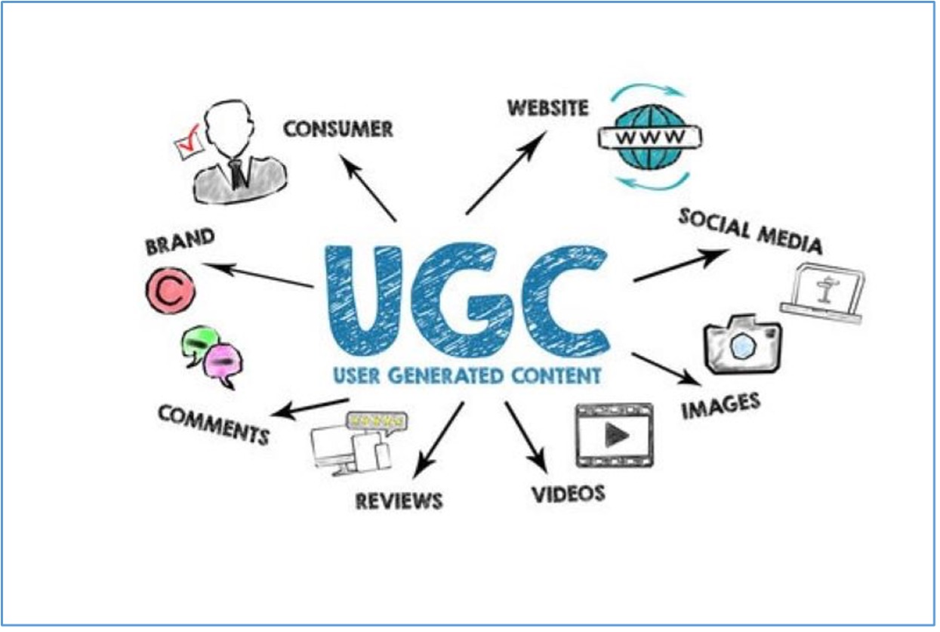
The Supreme Court has directed the Ministry of Information and Broadcasting (MIB) to formulate guidelines for User-Generated Content (UGC) to prevent the spread of harmful material on social media.
1. Constitutional Basis
- Article 19(1)(a): Guarantees Freedom of Speech and Expression. The Court emphasized that guidelines must not infringe upon this right.
- Article 19(2): Provides grounds for “reasonable restrictions” on free speech (e.g., decency, morality, defamation, public order), which forms the legal basis for the proposed regulations.
2. Proposed Regulatory Structure
- Autonomous Authority: A new body independent of both the government and private broadcasters is proposed to vet content.
- Preventive Mechanism: A shift from “post-occurrence” takedowns to preventive measures using AI-enabled moderation.
- Age Verification: Proposal to link Aadhaar or PAN to verify user age for accessing adult content.
3. Proposed Amendments to IT Rules, 2021
- Content Classification: Introduction of a 5-tier rating system:
- U (Universal)
- U/A 7+, U/A 13+, U/A 16+
- A (Adult – restricted access)
- Obscenity Standards: Determination based on the Community Standards Test (established in the Aveek Sarkar judgment).
- Prohibited Content:
- Material violating the Cinematograph Act, 1952.
- Live coverage of anti-terror operations (outside official briefings).
- Content deemed “anti-national,” defamatory, or promoting communal disharmony.
4. Related Policies & Acts
- Intermediary Status: Platforms (e.g., YouTube, X) are viewed as active curators due to algorithmic amplification, moving beyond passive protection under the IT Act.
- Pre-legislative Consultation Policy (2014): Mandates public consultation before finalizing these amendments.