
I. What is the Recent Development?
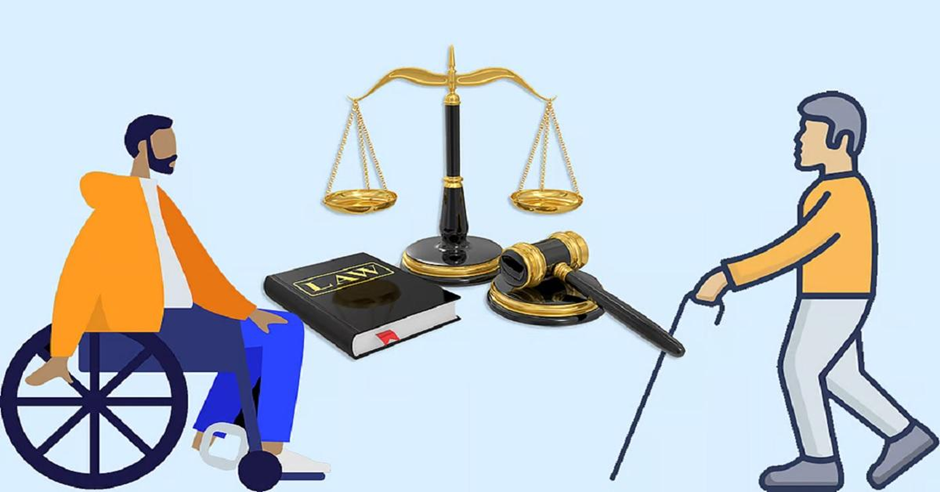
- The Directive: The Supreme Court (SC) has urged the Centre to consider enacting stringent legislation to penalize acts or remarks that ridicule Persons with Disabilities (PwDs).
- The Benchmark: The Court suggested the law be modelled on the lines of the Scheduled Castes and Scheduled Tribes (Prevention of Atrocities) Act, 1989, indicating a need for non-bailable and stricter provisions.
- The Trigger: The observation came during a hearing on a plea by the SMA Cure Foundation regarding derogatory content by social media influencers, highlighting the need to curb online abuse.
II. The Objective:
- Digital Protection: The Court highlighted the vulnerability of PwDs to “viral” ridicule and online mockery, which current laws may not adequately address.
- Societal Responsibility: While the Court exercised judicial restraint in punishing specific influencers, it emphasized the “societal responsibility” of content creators to respect the dignity of the specially-abled.
III. Existing Legal Framework: What governs PwD Rights currently?
- RPwD Act, 2016: Currently, the Rights of Persons with Disabilities Act, 2016 governs this domain.
- Section 92: specifically deals with “Punishment for offences of atrocities.” It penalizes intentionally insulting or intimidating a person with a disability with intent to humiliate them in public view.
- The Gap: The SC’s observation implies that Section 92 of the RPwD Act may need to be bolstered to match the stringency and deterrence value of the SC/ST Atrocities Act.
IV. Which Rights are Involved?
- Article 21: The right to live with human dignity. The Court views ridicule of PwDs as a direct violation of this fundamental right.
- Article 14: The right to equality, ensuring PwDs are not treated as objects of mockery.