
After Reading This Article You Can Solve This UPSC Mains Model Questions:
Despite a judicial ban, rat-hole mining continues in Meghalaya, causing recurring human and environmental disasters. Analyse the factors sustaining this illegal practice and suggest measures to eliminate it. 250 Words (GS 3, Environment and Ecology)
Context
The recent tragic explosion in an illegal rat-hole mine in Meghalaya, which claimed 18 lives, serves as a grim indicator of the systemic failure to curb clandestine mining operations. Despite a decade-long judicial ban, the persistence of these “death traps” highlights the complex intersection of tribal land rights, economic desperation, and regulatory paralysis.
About Rat-Hole Mining
- Concept: Rat-hole mining is characterized as a primitive, hazardous, and labor-intensive extraction technique. It involves excavating extremely narrow tunnels—typically 3 to 4 feet high and 2 to 3 feet wide—resembling the burrows of rodents.
- Due to these restrictive dimensions, miners (often including children) must crawl through the shafts to manually extract coal using basic tools.
- Practiced: This form of mining is predominantly practiced in Northeastern India, especially in the states of Meghalaya and Assam, where coal seams are thin and scattered.
- Techniques of Extraction
- Side-Cutting Procedure: Used primarily in hilly terrains, miners dig horizontal tunnels directly into the slopes to reach thin coal seams, which generally measure less than 2 meters in thickness.
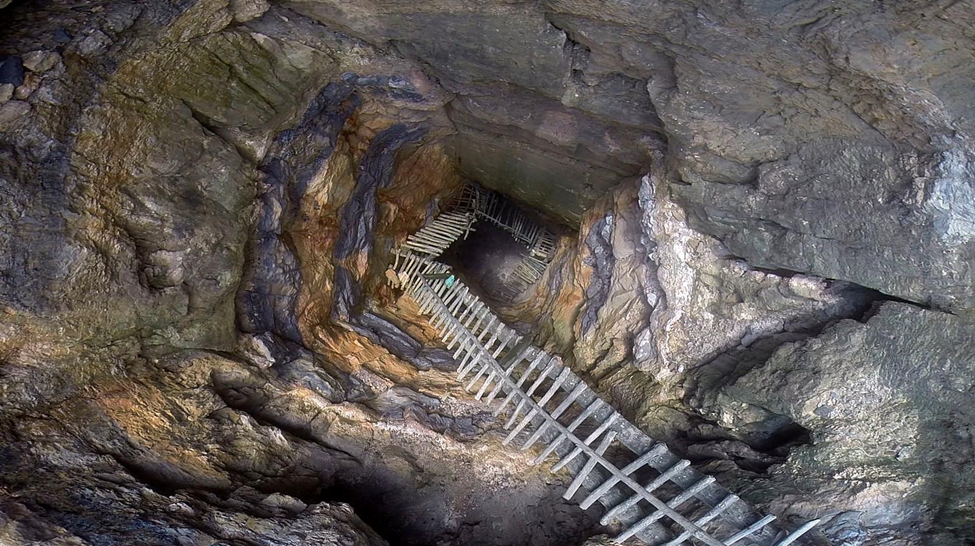
- Box-Cutting Method: This involves excavating a large rectangular pit (ranging from 10 to 100 square meters) to a depth of 100 to 400 feet. Once the coal seam is exposed, horizontal “rat-holes” are branched out from the vertical shaft for extraction.
Drivers Behind the Persistence of Rat-Hole Mining
- Poverty and Livelihood Insecurity: Limited employment opportunities compel local tribal populations to rely on rat-hole mining for survival.
- The prospect of quick and assured cash income from coal sales, despite serious health and safety risks, makes this activity economically attractive to vulnerable households.
- Land Ownership and Regulatory Gaps: Unclear land titles and weak enforcement mechanisms allow illegal mining to flourish.
- These governance loopholes are routinely exploited, enabling operations to continue with little oversight or accountability.
- In some instances, the overlap between political interests and coal ownership prevents the rigorous implementation of the National Green Tribunal (NGT) ban.
- Sustained Demand for Coal: Ongoing demand for coal in both formal and informal markets keeps the practice economically viable.
- The involvement of middlemen and illegal traders strengthens underground supply chains, ensuring a steady market for illegally extracted coal.
- Geological Suitability and Low Overhead: The coal seams in the North Eastern region are often extremely thin (less than 2 meters), making large-scale mechanical mining economically unviable for small-scale owners. The primitive, labor-intensive nature of rat-hole mining requires negligible capital investment, making it an “easy-entry” business for local contractors.
Critical Challenges Associated with Rat-Hole Mining
The unscientific extraction of coal through rat-hole mining creates a multifaceted crisis involving human safety, ecological health, and social ethics.
- Severe Occupational Safety Hazards: Due to the absence of structural reinforcements, these narrow shafts are chronically prone to collapses and flooding, trapping miners deep underground. Poor ventilation systems further lead to fatal asphyxiation and the buildup of explosive gases.
- Instances: The 2018 Ksan flooding (17 deaths) and the 2024 Wokha explosion (6 deaths) exemplify these risks.
- Ecological Degradation and Toxicity: Operations trigger large-scale deforestation and soil erosion. The most significant impact is Acid Mine Drainage (AMD), where sulfur-rich runoff contaminates water bodies, turning rivers like the Lukha acidic and destroying aquatic biodiversity.
- Impact: Productive agricultural lands in Nagaland’s Wokha and Mon districts have suffered severe degradation and water pollution.
- Systemic Social Exploitation: The industry thrives on the exploitation of child labor, as their small size is utilized to navigate narrow tunnels. This practice involves approximately 70,000 children (largely from Bangladesh and Nepal), as reported by NGO Impulse, and leads to the displacement of local communities and hazardous working conditions.
Regulatory Framework Governing Rat-Hole Mining
The governance of rat-hole mining in India involves a complex interplay between judicial bans, central legislation, and the unique constitutional protections granted to Northeastern states.
I. Regulatory Status in India
- Legal Standing: Currently, rat-hole mining is classified as an illegal activity. Its enforcement is primarily the responsibility of the State and District administrations, who treat the persistence of such mines as a significant law and order challenge.
- The National Green Tribunal (NGT) Ban: In 2014, the NGT imposed a comprehensive ban on this practice. The tribunal cited the unscientific nature of the mines and the alarming frequency of worker fatalities, especially during the monsoon flooding, as the primary reasons for the prohibition.
- Supreme Court Intervention (2019): In July 2019, the Supreme Court of India upheld the NGT’s ban in Meghalaya. The apex court explicitly ruled that rat-hole mining is prohibited under the Mines and Minerals (Development and Regulation) Act, 1957, and cannot proceed without approved scientific mining plans and environmental clearances.
- Justice (Retd.) B.P. Katakey Committee: Constituted by the Meghalaya High Court in 2022 following a suo motu PIL, the committee was tasked with monitoring illegal coal mining in the state.
- Key Findings: Found widespread illegal mining, especially in the East Jaintia Hills district, despite existing judicial bans. Highlighted serious enforcement failures and regulatory non-compliance.
- The Meghalaya High Court sharply noted that “no authority in the state, except the High Court, appears to be taking the issue seriously,” pointing to deep administrative apathy and lack of accountability.
II. State-Specific and Constitutional Provisions
- Nagaland Coal Policy, 2006: In Nagaland, the state attempted to bring small-scale operations under a regulatory umbrella by issuing Small Pocket Deposit Licences (SPDLs) to individual landowners. These licenses are subject to stringent conditions intended to ensure safety.
- Meghalaya Environment Protection and Restoration Fund (MEPRF): Established following NGT orders, this fund utilizes a 10% royalty on coal to restore areas affected by mining.
- Article 371A (Nagaland): This constitutional provision grants Nagaland significant autonomy regarding land ownership, resources, and customary laws. These special protections often create legal friction when trying to enforce uniform federal mining regulations.
- The Sixth Schedule (Meghalaya, Mizoram, Tripura, and Assam): Under the Sixth Schedule, Autonomous District Councils (ADCs) possess the authority to manage tribal lands.
- Since local tribal communities traditionally own both the surface land and the minerals beneath it, central oversight is severely restricted.
- Conflicts frequently arise between ADC legislation and the MMDR Act, 1957, leading to regulatory gaps and ambiguities that illegal operators exploit.
III. International Regulatory Context
- Global Standards: No specific international law targets rat-hole mining directly; however, global protocols advocate for sustainable mining and worker safety.
- Indirect Influence: International labor and environmental standards pressure member states to transition from primitive methods toward regulated, scientific extraction.
Way Forward: A Strategic Roadmap to Resolve Illegal Rat-Hole Mining Practice
To resolve the crisis of illegal rat-hole mining, a multi-dimensional approach is required that balances strict enforcement, technological innovation, and a transition toward a Green Steel economy.
- Deployment of Technological Surveillance: States must integrate Satellite Remote Sensing and Drone Patrols with centralized control rooms to monitor remote terrains. This allows for the real-time detection of new illegal pit openings and unscientific excavations, effectively bypassing the limitations of physical inspections in difficult landscapes.
- Transitioning to a Green Steel Trajectory: India should accelerate the shift toward Green Steel by incentivizing industries to replace coking coal with Green Hydrogen-based Direct Reduced Iron (DRI). By reducing the national industrial demand for low-grade, high-sulfur coal at the source, the economic incentive for illegal rat-hole mining can be structurally dismantled.
- Mandatory Logistics and Supply Chain Tracking: Implementing GPS-enabled tracking and digital transit passes for all coal carriers is essential to prevent the “laundering” of illegally mined coal into the formal market. Dedicated check-posts and CCTV monitoring at industrial hubs (cement and coke plants) ensure only legally sourced coal is utilized.
- Economic Diversification and Livelihood Support: The state must displace mining as a primary income source by facilitating credit linkages and market access for Horticulture, Ecotourism, and Sustainable Manufacturing. Providing viable economic alternatives is the only long-term solution to the poverty-driven participation in hazardous mining.
- Social Accountability and Community Monitoring: Empowering Village Councils (Durbars) and Autonomous District Councils to act as environmental stewards is critical. By providing a portion of recovered penalties to local bodies, the government can incentivize community-led surveillance and foster local ownership of environmental protection.
- Formalization and Worker Rehabilitation: A comprehensive registry for migrant laborers should be created to pull workers out of the informal “shadow” economy. These individuals should be prioritized for re-skilling programs and absorbed into public works, such as the ecological restoration of abandoned mine sites or emerging green energy projects.
- Strict Adherence to Scientific Mining Standards: The transition from illegal pits to Scientific Mining must be accelerated. This involves granting leases only to operators who provide Environmental Impact Assessments (EIA), ensure structural safety (engineered supports), and implement proper Acid Mine Drainage (AMD) treatment protocols.
Conclusion
The “distressing regularity” of mine tragedies in Meghalaya proves that a ban is a tool, not a solution. Real change requires a dual approach: ruthless enforcement against the coal mafia and a compassionate transition for the labor force. Aligning Meghalaya’s mineral economy with India’s Green Steel trajectory is not just an environmental necessity but a moral imperative to ensure that “development” does not come at the cost of human lives in dark, narrow holes.