
Context
Recently, the Union Ministry of Fisheries, Animal Husbandry and Dairying confirmed an outbreak of the Highly Pathogenic Avian Influenza (HPAI) H5N1 in Chennai, Tamil Nadu, following the mass death of crows in the Adyar region. Laboratory tests conducted at the ICAR-National Institute of High Security Animal Diseases (NIHSAD) in Bhopal confirmed the presence of the virus, prompting the state government to issue a public health advisory and intensify surveillance in wet markets and poultry farms.
1. What is H5N1?
- Definition: Avian Influenza, commonly known as Bird Flu, is a highly contagious viral infection caused by Influenza Type A viruses.
- Pathogenicity: H5N1 is classified as “Highly Pathogenic” (HPAI) because it causes severe disease and high mortality rates (up to 90–100%) in domestic poultry.
- Origin: The current lineage (Goose/Guangdong) was first detected in 1996 in China.
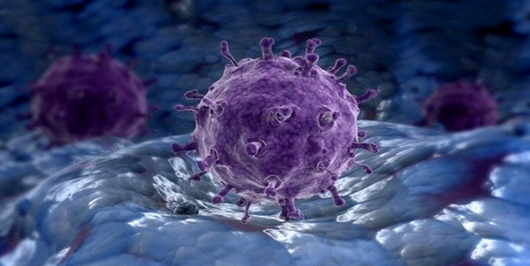
2. Biological Structure
- Subtyping: Influenza A viruses are classified based on two surface proteins:
- Hemagglutinin (H): Responsible for the virus’s ability to attach and enter a host cell. There are 18 known H subtypes.
- Neuraminidase (N): Facilitates the release of new viral particles from the host cell to spread the infection. There are 11 known N subtypes.
- Combination: H5N1 is just one of 198 possible combinations (e.g., H5N8, H1N1, H3N2).
3. Transmission Dynamics
- Natural Reservoirs: Wild aquatic birds (especially ducks and geese) are the natural hosts. They often carry the virus without showing symptoms but can spread it via saliva, nasal secretions, and feces.
- Spillover to Mammals: The virus has increasingly been detected in mammals such as foxes, bears, sea lions, and recently, dairy cattle and captive wildlife (tigers/leopards) in India.
- Human Transmission: Human infection is rare and usually occurs through direct contact with infected birds or contaminated environments. Human-to-human transmission remains extremely uncommon and inefficient.
4. Global and National Governance
- WHO (Global Influenza Surveillance and Response System – GISRS): Monitors circulating strains to provide risk assessments.
- WOAH (World Organisation for Animal Health): Coordinates international efforts to improve animal health.
- India’s Response: Governed by the National Action Plan for Prevention, Control, and Containment of Avian Influenza (revised 2021).
Q. With reference to the H5N1 Avian Influenza, consider the following statements:
1. It is caused by the Influenza Type B virus, which primarily affects domestic poultry.
2. The Hemagglutinin protein on the virus surface is responsible for the release of viral progeny from the host cell.
3. While it is highly lethal for birds, sustained human-to-human transmission has not yet been established.

Which of the statements given above is/are correct?
(a) 1 and 2 only
(b) 3 only
(c) 1 and 3 only
(d) 1, 2 and 3

Correct Answer: (b)
Explanation
STATEMENT 1 INCORRECT: Avian Influenza is caused by Influenza Type A viruses, not Type B. Type B viruses almost exclusively infect humans and do not cause pandemics.
STATEMENT 2 INCORRECT: The Neuraminidase (N) protein is responsible for the release of progeny; Hemagglutinin (H) is responsible for entry/attachment.
STATEMENT 3 CORRECT: H5N1 has a high fatality rate in birds and humans, but it has not yet acquired the mutations necessary for efficient or sustained human-to-human spread.