
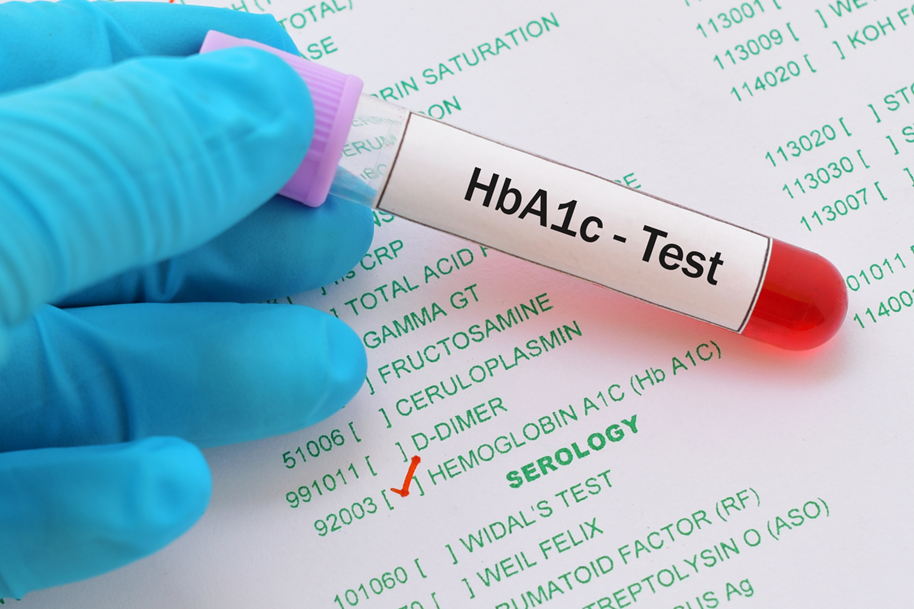
Context
Indian diabetologists cautioned against over-reliance on the HbA1c test for diabetes care, noting that widespread anaemia, iron deficiency and genetic blood disorders in India can distort results. They recommended a multiparametric diagnostic approach—combining HbA1c with OGTT and continuous glucose monitoring (CGM)—to ensure accurate assessment and management of India’s 101+ million diabetics.
About HbA1c (Glycated Haemoglobin) Test
The HbA1c test has long been considered the “gold standard” for assessing long-term blood sugar control.
1. What is HbA1c?
- Definition: HbA1c stands for glycated haemoglobin. It is formed when glucose (sugar) in the blood sticks to haemoglobin, the protein in red blood cells (RBCs) responsible for carrying oxygen.
- Mechanism: The process of glucose binding to haemoglobin is called glycation. The more sugar there is in the blood, the higher the percentage of haemoglobin that becomes glycated.
- Timeframe: Because red blood cells have an average lifespan of approximately 120 days (3 to 4 months), the HbA1c test reflects the average blood sugar levels over the preceding 8 to 12 weeks.
2. Advantages over Traditional Tests
- Stability: Unlike Fasting Plasma Glucose (FPG) or Post-Prandial (PP) tests, HbA1c is not affected by recent meals, physical activity, or short-term stress.
- Convenience: The test can be performed at any time of the day and does not require fasting.
- Complication Correlation: High HbA1c levels are directly linked to an increased risk of long-term diabetic complications such as retinopathy (eye damage), nephropathy (kidney disease), and neuropathy (nerve damage).
3. Interpretation of Results
The results are typically reported as a percentage. According to the American Diabetes Association (ADA) and WHO:
| Result Range | Category |
| Below 5.7% | Normal |
| 5.7% to 6.4% | Prediabetes |
| 6.5% or Higher | Diabetes |
4. Limitations and Factors Affecting Accuracy
Several biological factors can lead to falsely high or low readings, making the test unreliable in specific populations:
- Haemoglobin lifespan: Any condition that changes the lifespan of RBCs (like certain types of anaemia) will alter the result.
- Anaemia: Iron-deficiency anaemia can lead to falsely elevated HbA1c levels.
- Blood Disorders: Haemoglobinopathies such as sickle cell disease or thalassaemia interfere with the measurement of glycated haemoglobin.
- Other Conditions: Kidney failure, liver disease, pregnancy (especially in the 2nd and 3rd trimesters), and recent blood transfusions can significantly distort results.
Q. With reference to the HbA1c (Glycated Haemoglobin) test used in the diagnosis of diabetes, consider the following statements:

1. The test measures the average blood glucose levels by assessing the glucose attached to the plasma rather than the red blood cells.

2. Unlike the Oral Glucose Tolerance Test (OGTT), the HbA1c test does not require the patient to be in a fasting state.

3. Conditions such as iron-deficiency anaemia and thalassaemia can cause the HbA1c test to provide inaccurate results.

How many of the above statements are correct?

A) Only one
B) Only two
C) All three
D) None

Solution:
Correct Answer: B (Only two)

• STATEMENT 1 INCORRECT: The HbA1c test measures the percentage of glucose attached specifically to haemoglobin within the red blood cells, not the glucose in the blood plasma.
• STATEMENT 2 CORRECT: One of the main advantages of HbA1c is its convenience, as it reflects a 3-month average and is not affected by recent food intake, thus requiring no fasting.
• STATEMENT 3 CORRECT: Any condition that affects the quantity, structure, or lifespan of haemoglobin (like anaemia or haemoglobinopathies) can distort the glycation percentage, leading to false results.