
Context
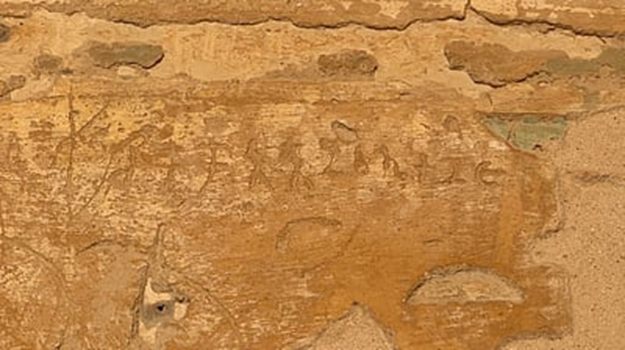
Recently, researchers discovered nearly 30 inscriptions in Indian languages, including Tamil Brahmi (Tamili), Prakrit, and Sanskrit, within the rock-cut tombs of the Valley of the Kings in Luxor, Egypt. The inscriptions date back to the 1st to 3rd centuries CE and provide conclusive evidence of the deep-seated presence of Indian merchants and travelers in the heart of the Roman-era Nile Valley, extending beyond the previously known coastal trade hubs.
Key Highlights of the Discovery
1. Geographical Location and Context
- Site: The inscriptions were found in six rock-cut tombs in the Theban Necropolis (Valley of the Kings), a UNESCO World Heritage site.
- Significance of Location: Earlier, most Indian inscriptions were found at Red Sea ports like Berenike and Quseir al-Qadim; their discovery in the Nile Valley suggests that Indian traders traveled beyond the ports into Egypt’s interior for trade or other activities.
2. Major Inscriptions and Decipherment
- Cikai Korran: This name appears eight times across five different tombs.
- ‘Cikai’ is linked to the Sanskrit shikha (tuft/crown).
- ‘Korran’ is a distinct Tamil name derived from korram (victory), often associated with the goddess Korravai.
- Kopan Varata Kantan: Another inscription translated as “Kopan came and saw,” which mirrors the formulaic style of Greek graffiti found in the same tombs. This suggests the visitors were literate and possibly multilingual.
- Other Names: Inscriptions also mentioned names like Catan and Kiran, which are common in Tamil Sangam literature.
3. Linguistic and Historical Significance
- Two-Way Trade: The discovery proves that trade was not merely a “one-way” Roman venture to India but involved active participation and physical presence of Indian mercantile communities in the Roman Empire.
- Script Variety: While 20 inscriptions are in Tamil Brahmi, others are in Sanskrit and Prakrit. One Sanskrit inscription mentions a duta (envoy) of a Kshaharata king (Western Kshatrapas), highlighting official diplomatic or trade missions from Western India.
- Timeline: The 1st to 3rd century CE timeframe aligns perfectly with the peak of the Indo-Roman trade mentioned in Sangam literature and by Roman chroniclers like Ptolemy and Pliny the Elder.
4. Comparative Table: Indian Inscriptions in Egypt & Middle East
| Site Name | Location | Key Discovery | Script / Language |
| Valley of the Kings | Nile Valley, Egypt | Graffiti on tomb walls (Cikai Korran) | Tamil Brahmi, Prakrit, Sanskrit |
| Berenike | Red Sea Coast, Egypt | Potsherd mentioning Korrapuman | Tamil Brahmi |
| Quseir al-Qadim | Red Sea Coast, Egypt | Storage jar with Paanai ori (pot in a rope net) | Tamil Brahmi |
| Khor Rori (Sumhuram) | Dhofar, Oman | Potsherd mentioning Nantai Kiran | Tamil Brahmi |
Q. With reference to the recently discovered Tamil Brahmi inscriptions in Egypt’s Valley of the Kings, consider the following statements:

I. These inscriptions provide the first evidence of Indian merchant presence in the Red Sea port cities of Egypt.
II. The inscriptions include the name 'Cikai Korran', which shows linguistic influences from both Sanskrit and Tamil.
III. The presence of Sanskrit inscriptions mentioning an envoy of the Kshaharata dynasty suggests diplomatic links between Western India and the Roman-Egyptian region.

Which of the statements given above is/are correct?

A) I and II only
B) II and III only
C) I and III only
D) I, II, and III

 Correct Answer: B

Solution:
•	STATEMENT I INCORRECT: Evidence of Indian presence in Egypt (at Berenike and Quseir al-Qadim) has been known since the 1990s; the Valley of the Kings find is significant because it is located in the interior Nile Valley, not a coastal port.
•	STATEMENT II CORRECT: 'Cikai' is derived from the Sanskrit shikha, and 'Korran' is a classical Tamil name, demonstrating a blend of linguistic traditions among the traveling community.
•	STATEMENT III CORRECT: Researchers identified a Sanskrit inscription mentioning a duta (envoy) of a Kshaharata king, confirming that rulers from Western India (the Kshatrapas) had representatives visiting Egypt during the 1st century CE.