
After Reading This Article You Can Solve This UPSC Mains Model Questions:
Gender equality is not only a human rights issue but also a prerequisite for sustainable peace. Discuss in the context of contemporary global conflicts. 15 Marks (GS-2, Social Justice)
Context
- The observance of International Women’s Day (8 March) has once again highlighted the urgency of safeguarding women’s rights in an increasingly unstable global environment.
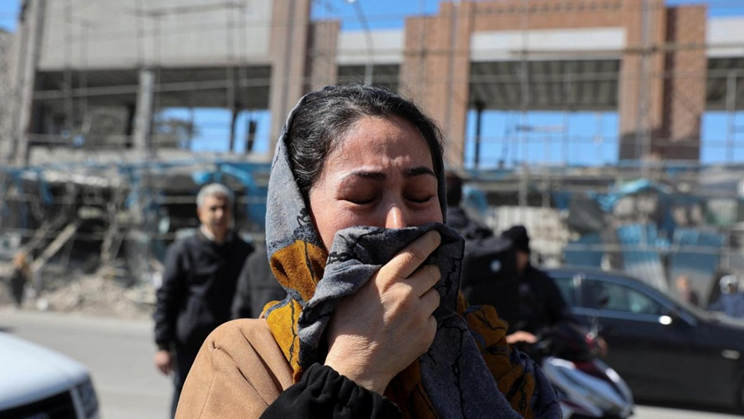
- The 2026 global theme — “Rights, Justice, Action: For All Women and Girls”, announced by the United Nations, has drawn attention to the severe vulnerabilities faced by women and girls in conflict zones.
About International Women’s Day
- Origin: Emerged from early 20th-century labour movements, when women workers demanded better working conditions, fair wages, voting rights, and political equality.
- Expansion: Gradually evolved into a global movement for gender justice, labour rights, and women’s empowerment.
- UN Recognition: The United Nations formally recognised International Women’s Day in 1977, giving it global institutional legitimacy.
- Contemporary Significance: International Women’s Day today serves multiple purposes:
- Recognition of achievements: Acknowledges women’s contributions in politics, economy, science, and society.
- Policy advocacy platform: Governments and civil society highlight gender inequality and discrimination.
- Accountability mechanism: Encourages states to strengthen legal and institutional frameworks for gender justice.
Evolution of International Women’s Rights Framework and Protection in Conflict Situations
A. International Legal Framework for Protection of Women in Armed Conflicts
1. Geneva Conventions (1949)
- Provide special protection for women in armed conflicts.
- Safeguards against sexual violence, inhumane treatment, and degrading practices.
- Ensure humane treatment of women prisoners of war and civilians.
2. Women, Peace and Security (WPS) Agenda
- Initiated through UN Security Council Resolution 1325 (2000).
- Recognised the disproportionate impact of conflict on women.
- The resolution established four key pillars:
- Participation – Inclusion of women in peace negotiations, governance, and decision-making
- Protection – Safeguarding women from violence, exploitation, and human rights violations during conflicts
- Prevention – Integrating gender perspectives in conflict prevention strategies
- Relief and Recovery – Ensuring women’s participation in post-conflict reconstruction and humanitarian responses
3. Key Subsequent UN Security Council Resolutions
- UN Security Council Resolution 1820 (2008) – Recognised sexual violence as a tactic of war.
- UN Security Council Resolution 1889 (2009) – Promoted women’s participation in post-conflict peacebuilding.
- UN Security Council Resolution 2242 (2015) – Linked women’s participation with counter-terrorism and peacebuilding.
- UN Security Council Resolution 2493 (2019) – Reaffirmed commitments to implement the Women, Peace and Security agenda.
B. Gender Equality as a Fundamental Human Right
Gender equality has been widely recognised as a core human rights principle and an essential component of inclusive and sustainable development.
Several global frameworks reinforce this commitment:
- Convention on the Elimination of All Forms of Discrimination Against Women (CEDAW), 1979
- Often referred to as the international bill of rights for women.
- It obligates states to eliminate discrimination against women in political, economic, social, and cultural spheres.
- Beijing Declaration and Platform for Action (1995)
- Provides a comprehensive agenda for advancing women’s empowerment.
- It identifies “Women and Armed Conflict” as one of the twelve critical areas of concern, highlighting the need to protect women during wars and involve them in peace processes.
- 2030 Agenda for Sustainable Development
- Sustainable Development Goal-5 (SDG-5) aims at achieving gender equality and empowering all women and girls.
Rights, Justice and Action: The Global Imperative
The 2026 International Women’s Day theme emphasises three interconnected pillars essential for achieving gender equality, especially in conflict-affected and fragile regions.
1. Ensuring Women’s Rights: Women’s rights must be safeguarded even during armed conflicts, humanitarian crises, and political instability. Protection should include:
- Freedom from gender-based violence (GBV) and harassment
- Protection from sexual exploitation, trafficking, and forced displacement
- Equal access to humanitarian assistance such as food, shelter, and healthcare
- Protection of reproductive and maternal health rights
- Access to justice and legal remedies
2. Ensuring Justice for Victims: Achieving justice requires strong accountability mechanisms to address violations against women during conflicts. Key measures include:
- Investigation and prosecution of conflict-related sexual violence
- Legal safeguards for refugee and internally displaced women
- Rehabilitation, psychological support, and compensation for survivors
- Strengthening gender-sensitive judicial and legal systems
3. Translating Commitments into Action: International commitments must be implemented through concrete institutional and policy measures:
- Gender-responsive humanitarian aid and relief programmes
- Meaningful participation of women in governance, peace negotiations, and conflict resolution
- Enhanced security and protection mechanisms for women in refugee camps and conflict zones
- Adequate financial allocation for women-centric development and protection programmes
Promises but No Progress: The Reality Gap
While international policies exist, current global trends reveal a “promises but no progress” scenario, where institutional protections are failing under the weight of extreme volatility.
Alarming Global Trends (2024–2026):
Civilian casualties among women and children increased fourfold compared to the previous two-year period, while incidents of conflict-related sexual violence rose by nearly 87% within the same timeframe.
The world is currently witnessingthe highest number of armed conflicts since 1946, with nearly 676 million women living within 50 km of conflict zones.
Structural Challenges Hindering the Protection of Women in Conflict Situations
The protection of women’s rights during periods of conflict and instability remains difficult due to several structural barriers.
Institutional Breakdown and Weak Legal Enforcement: Armed conflicts often weaken or collapse institutions such as the judiciary, police, and administration, making laws protecting women ineffective and allowing perpetrators of violence to escape accountability.
For example, during the Sudanese civil conflict, the breakdown of law enforcement has been associated with increased reports of sexual violence and limited legal recourse for survivors.
Entrenched Patriarchal Social Norms: Conflict situations often reinforce patriarchal structures, restricting women’s mobility, education, employment, and participation in decision-making, thereby deepening gender inequalities and limiting their access to humanitarian support.
Following the Taliban’s return to power in Afghanistan, policies have significantly restricted women’s access to education, employment, and public participation.
Gender-Insensitive Humanitarian Responses: Many humanitarian relief programmes adopt a generalised approach and fail to address the specific needs of women and girls. This results in inadequate provision of food security, maternal healthcare, reproductive services, menstrual hygiene facilities, and safe spaces in refugee camps.
In Syrian refugee camps in Lebanon and Jordan, the absence of gender-segregated sanitation facilities increased the risk of harassment and insecurity for women and girls.
Exclusion of Women from Peace and Security Processes: Women remain severely under-represented in peace processes, with only about 7% of peace negotiators and around 14% of mediators being women, and nearly nine out of ten peace negotiations taking place without female negotiators.
Use of Sexual Violence as a Weapon of War: In several modern conflicts such as the Russia–Ukraine war, sexual violence is deliberately used as a strategy of warfare to terrorise communities, force displacement, and weaken social structures. Such acts lead to severe physical, psychological, and social consequences for survivors.
Digital Violence: The growing use of online harassment, gendered disinformation, and digital threats against women activists and human rights defenders undermines their participation in public life and, in many cases, escalates into real-world intimidation and physical harm.
Rights Require Action: Way Forward for Sustainable Peace
To translate the 2026 theme “Rights, Justice, Action” into a tangible reality, the following multi-pronged strategy is required to bridge the gap between global policy and local security:
- Mandatory Quotas in Peacebuilding: Transitioning from voluntary to binding targets (minimum 30%) for women’s participation in all UN-led and national peace negotiations to ensure inclusive and durable agreements.
- Institutionalizing Gender-Responsive Budgeting (GRB): Shifting from military-centric spending to human-centric investment, aiming for the 15% allocation of humanitarian and peacebuilding funds toward gender equality by 2026.
- Strengthening Legal Accountability: Prioritizing the prosecution of Conflict-Related Sexual Violence (CRSV) at the International Criminal Court (ICC) to end the cycle of impunity and treat gender-based crimes as major war crimes.
- Direct Support for Local Collectives: Providing unrestricted, flexible funding to grassroots women’s organizations who serve as frontline responders providing psychosocial and life-saving aid when state structures fail.
- Digital Security for Women Defenders: Implementing robust cyber-protection frameworks to shield women human rights defenders from gendered disinformation, state-sponsored surveillance, and online harassment.
- Universal Access to Gender-Sensitive Corridors: Establishing protected evacuation routes that specifically cater to maternal healthcare, safe sanitation, and protection against trafficking during active displacement.
Conclusion
Protection of women’s rights in conflict zones is not merely a humanitarian obligation but a core requirement for sustainable peace and justice. Therefore, translating global commitments into concrete action, institutional reforms, and inclusive governance mechanisms is essential. In an increasingly unstable world, safeguarding the rights, dignity, and participation of women must remain a collective international priority for achieving lasting peace and gender equality.