
After Reading This Article You Can Solve This UPSC Mains Model Question:
Examine the key pillars of strategic convergence in the recent India–Canada bilateral reset and discuss the major challenges in sustaining this momentum. 15 Marks (GS-2, International Relations)
Context
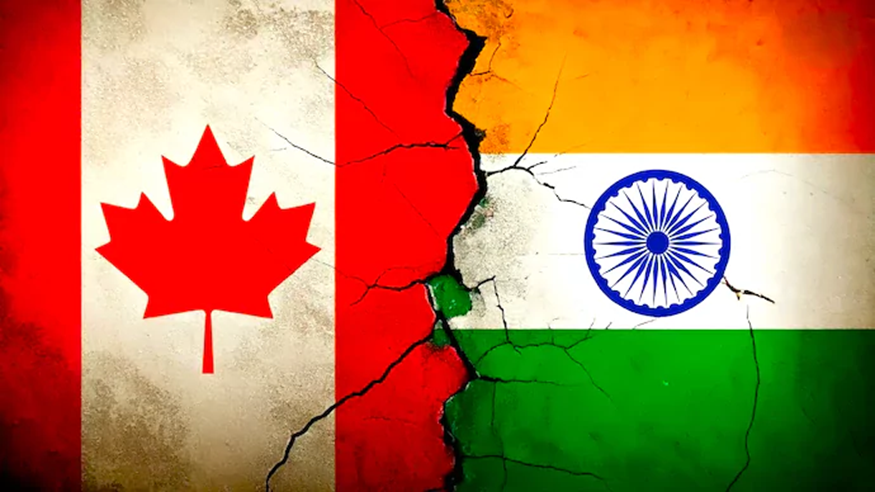
The 2026 visit of Canadian PM Mark Carney to India marked a historic reset following diplomatic strains, driven by geopolitical shifts, defense modernization, clean energy needs, and economic complementarities.
Introduction
The India–Canada reset transitions bilateral ties toward pragmatic cooperation in defense, trade, nuclear energy, and technology. Canada’s focus on defense reinvestment and supply chain diversification complements India’s Viksit Bharat 2047 clean energy and growth goals, though overcoming security concerns remains vital.
The Nuances of the Bilateral Reset
- Diplomatic Transition: Shifts relations from past friction toward pragmatic, future-oriented cooperation.
- Economic Target: Sets a goal to double bilateral two-way trade to USD 50 billion by 2030 through renewed CEPA negotiations.
- Civil Nuclear Contract: Secures a USD 2.6 billion Cameco uranium deal to support India’s target of 100 GW nuclear capacity by 2047.
- Defense Dialogue: Establishes the first-ever India–Canada Defence Dialogue alongside joint naval participation in RIMPAC and Talisman Sabre.
- Critical Mineral Supply Chains: Signs an MoU on the Critical Minerals Value Chain to integrate Canada’s 31 critical minerals into Indian manufacturing.
- Tech & Global Alliances: Joins Canada to the International Solar Alliance (ISA), Global Biofuels Alliance (GBA), and the ACITI tech partnership.
Significance of the India–Canada Partnership
- Clean Energy & Nuclear Security: Sourcing high-grade Canadian uranium (up to 15% ore grade) directly powers India’s clean energy transition and reduces single-supplier risks.
- Strategic Indo-Pacific Alignment: Aligns with Canada’s Indo-Pacific Strategy, positioning India as a vital anchor for a free, open, and rules-based order.
- Supply Chain Resilience: Integrates Canadian rare earths, cobalt, and tungsten, helping diversify high-tech and defense supply chains away from monopolistic markets.
- Capital Flow & Trade Synergies: Connects Canadian pension funds (over USD 75 billion invested in India) with India’s expanding industrial and consumer market.
- Diaspora & Soft Power Bridge: Capitalizes on the 1.8 million Indian diaspora (4% of Canada’s population) to strengthen academic, research, and talent mobility.
Challenges Associated with Bilateral Relations
- Separatist Extremism: Persistent anti-India separatism and transnational organized crime networks hinder institutional trust between security agencies.
- Trade & Regulatory Hurdles: Differences over agricultural tariffs, non-tariff barriers, and IPR rules create delays in finalizing CEPA.
- Consular & Visa Backlogs: Diplomatic staff cutbacks during previous tensions created severe visa processing bottlenecks for students and professionals.
- Domestic Political Pressures: Bilateral momentum remains vulnerable to internal electoral dynamics and vote-bank politics in Canada.
- Execution Bottlenecks: Delays in operationalizing defense R&D and joint initiatives risk losing initial diplomatic momentum.
Way Forward
- Strict Security Coordination: Implement the joint NSA action plan to target violent extremism and organized crime.
- Early Harvest Trade Agreement: Finalize an interim trade deal in non-controversial sectors while negotiations for CEPA continue.
- Streamline Visa Capacity: Restore full consular staffing in Ottawa and New Delhi to eliminate visa backlogs.
- Operationalize Defence Engagements: Institutionalize regular Defence Dialogue meetings and promote subsystem defense manufacturing.
- Expand Clean Energy Supply Chains: Leverage Canadian entry into the ISA and GBA for joint ventures in bio-energy and solar storage.
- Strengthen Track II Ties: Re-activate the India–Canada CEO Forum and expand academic frameworks like the AICTE–Mitacs internships.
Conclusion
The India–Canada reset marks a shift from historical friction to strategic pragmatism. By addressing security concerns and leveraging economic, energy, and defense complementarities, both nations can build a resilient alliance that anchors Indo-Pacific stability.