
Important for UPSC Prelims: Governance
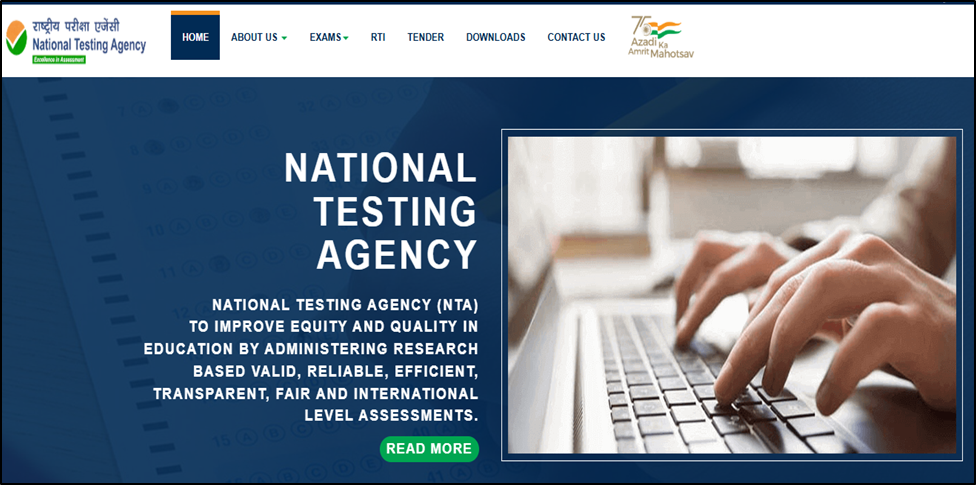
What is the National Testing Agency (NTA)?
- The National Testing Agency (NTA) is an autonomous and self-sustained testing organization established by the Government of India to conduct transparent, efficient, and standardized entrance examinations for admission to higher educational institutions.
- It was established in 2018 as a Society registered under the Societies Registration Act, 1860.
- Administrative Ministry: Ministry of Education (formerly Ministry of Human Resource Development).
Governance Structure
- Chairperson: An eminent educationist appointed by the Ministry of Education.
- Chief Executive Officer (CEO): Serves as the Director General, appointed by the Government.
- Governed by a Board of Governors comprising representatives from user institutions and experts.
Objectives
- Conduct fair, transparent, and standardized entrance examinations.
- Assess candidates using scientific and technology-driven testing methods.
- Reduce the burden on educational institutions conducting multiple entrance examinations.
- Promote merit-based admissions across higher educational institutions.
Major Functions
- Conduct national-level entrance examinations such as:
- NEET (UG)
- JEE Main
- CUET (UG & PG)
- UGC-NET
- Develop a scientific question bank using modern assessment techniques.
- Promote research and innovation in testing and assessment.
- Establish Test Practice Centres (TPCs) to improve digital accessibility.
- Collaborate with international organizations such as Educational Testing Service (ETS).
- Conduct examinations entrusted by the Central and State Governments.
Key Features
- Uses Computer-Based Tests (CBTs) for most examinations.
- Employs psychometric analysis and statistical techniques to improve question quality.
- Adopts Equipercentile Equating to ensure fairness across multiple exam sessions.
- Aims to align Indian testing standards with global best practices.
Challenges in the Functioning of NTA
- Paper leaks and examination irregularities have raised concerns over the integrity of national entrance examinations.
- Dependence on third-party vendors and private examination centres has exposed security and operational vulnerabilities.
- Technical glitches, answer key errors, and transparency issues have affected the credibility of examinations.
- Slow implementation of reforms, including recommendations of the Radhakrishnan Committee, remains a concern.
Way Forward
- Strengthen exam security through encrypted digital question paper delivery, AI-based surveillance, and biometric authentication.
- Reduce reliance on outsourcing by creating a permanent professional workforce and standardized government examination centres.
- Ensure strict implementation of the Public Examinations (Prevention of Unfair Means) Act, 2024.
- Accelerate the implementation of the Radhakrishnan Committee’s recommendations to improve transparency, accountability, and technological resilience.
Conclusion
- Strengthening the NTA through institutional reforms is crucial for ensuring fair, transparent, and secure examinations.
| These concepts have been mentioned in the following article Right to Protest and Limits on Police Powers |