
After Reading This Article You Can Solve This UPSC Mains Model Question:
India is witnessing a dual burden of malnutrition, where undernutrition coexists with rising obesity and diet-related diseases. Discuss the need for regulating High Fat, Sugar and Salt (HFSS) foods through taxation, labelling and other policy measures. 15 Marks (GS 2, Health)
Context
The Parliamentary Standing Committee on Consumer Affairs has recommended mandatory front-of-pack nutrition labelling for packaged foods, while an expert consortium led by the ICMR-National Institute of Nutrition (ICMR-NIN) has proposed a health tax on High Fat, Sugar and Salt (HFSS) foods to curb rising obesity and non-communicable diseases (NCDs).
Introduction
India is facing a double burden of malnutrition, where persistent undernutrition coexists with rapidly increasing obesity and diet-related diseases. Addressing unhealthy diets through taxation, nutrition labelling and stronger food regulations is essential to promote preventive healthcare and improve public health outcomes.
What are High Fat, Sugar and Salt (HFSS) Foods?
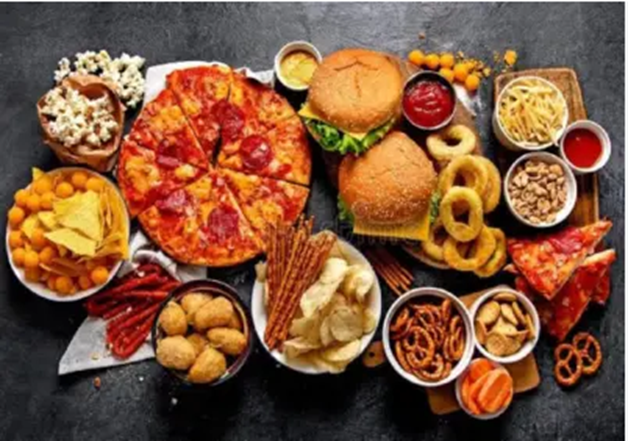
- HFSS foods are processed or packaged foods containing excessive amounts of fat, sugar and salt, while offering low nutritional value.
- Regular consumption increases the risk of obesity, diabetes, hypertension, cardiovascular diseases and other non-communicable diseases (NCDs).
Examples
- Soft Drinks: Sugar-sweetened beverages with little or no nutritional value.
- Packaged Snacks: Processed ready-to-eat foods that are typically high in salt and unhealthy fats.
- Chips: Deep-fried or processed potato snacks rich in fat, salt and calories.
- Chocolates: Confectionery products often containing high amounts of added sugar and saturated fats.
- Sugary Breakfast Cereals: Processed cereals with excessive added sugars despite being marketed as healthy.
- Instant Noodles: Highly processed foods containing refined flour, sodium and unhealthy fats.
- Fast Food: Commercially prepared meals that are generally high in calories, fat, sugar and salt.
- Sweetened Beverages: Drinks with added sugars, such as fruit drinks and energy drinks, contributing to excessive calorie intake.
Why is Regulating HFSS Foods Significant?
1. Rising Burden of Obesity
- India is witnessing a rapid increase in overweight and obesity among both adults and children.
- According to ICMR-NIN, over 17 million children and adolescents are affected by obesity, which may exceed 27 million by 2030.
2. Preventing Non-Communicable Diseases (NCDs)
- Excessive consumption of HFSS foods is a major risk factor for diabetes, hypertension, cardiovascular diseases and certain cancers.
- Preventive regulation can reduce the long-term healthcare burden and improve population health.
3. Promoting Healthy Consumer Choices
- Mandatory Front-of-Pack Nutrition Labelling (FOPNL) helps consumers identify unhealthy products at the time of purchase.
- Better information encourages healthier dietary behaviour and informed decision-making.
4. Protecting Children and Adolescents
- Children are highly vulnerable to aggressive marketing of junk food through television and digital platforms.
- Restricting advertisements and improving school food environments can promote healthier eating habits from an early age.
5. Reducing Economic Burden
- Rising obesity and NCDs increase healthcare expenditure, productivity losses and economic costs.
- Preventive measures such as health taxes can reduce long-term fiscal pressure on the health system.
6. Aligning with Global Best Practices
- Many countries have introduced health taxes and stricter food regulations to discourage unhealthy consumption.
- International experiences show that taxation, combined with awareness and labelling, can improve dietary patterns.
Challenges in Regulating HFSS Foods
1. Industry Resistance
- Food manufacturers may oppose higher taxes and stricter labelling due to increased compliance costs.
- Strong lobbying can delay or dilute public health reforms.
2. Consumer Affordability Concerns
- Higher prices may disproportionately affect lower-income households if healthier alternatives remain expensive.
- Policy should therefore improve access to affordable nutritious foods.
3. Weak Consumer Awareness
- Nutrition labels may have limited impact unless supported by sustained public awareness campaigns.
- Low nutritional literacy can reduce the effectiveness of regulatory measures.
4. Implementation and Monitoring
- Effective regulation requires clear standards, regular inspections and strong enforcement mechanisms.
- Inadequate monitoring may lead to non-compliance by food manufacturers.
5. Balancing Public Health and Business Interests
- Policymakers must balance public health objectives with the interests of the food processing industry and employment.
- Regulations should encourage product reformulation rather than merely increasing compliance costs.
Recommendations by the Parliamentary Committee & ICMR-NIN Consortium
- Mandatory Front-of-Pack Nutrition Labelling (FOPNL): Introduce easy-to-understand nutrition labels to help consumers make informed food choices.
- Display High Sugar, Fat and Salt Content: Clearly indicate excessive levels of sugar, fat and salt on packaged foods through warning labels.
- Display Sugar Content in Baby Foods: Mandate disclosure of sugar content in infant and baby food products to protect child health.
- Levy a Health Tax on HFSS Foods: Impose higher taxes on unhealthy foods to discourage consumption and promote healthier diets.
- Regulate Advertisements Targeting Children: Restrict the marketing of HFSS foods to children across television, digital media and other platforms.
- Promote Healthy School Food Environments: Encourage nutritious food options and limit the availability of HFSS foods in and around schools.
What Can Be Done to Promote Healthy Diets?
1. Introduce a Health Tax on HFSS Foods
- Levy differential taxes on foods high in fat, sugar and salt to discourage excessive consumption.
- Revenue generated can support nutrition and preventive healthcare programmes.
2. Mandate Front-of-Pack Nutrition Labelling
- Introduce simple, easy-to-understand warning labels indicating high sugar, fat or salt content.
- This empowers consumers to make healthier food choices.
3. Regulate Advertising of Junk Food
- Restrict advertisements targeting children across television, digital platforms and schools.
- Promote responsible marketing practices by food companies.
4. Create Healthy School Food Environments
- Ban the sale of HFSS foods in and around schools.
- Encourage nutritious mid-day meals and healthy food options.
5. Promote Nutrition Awareness
- Conduct nationwide campaigns on balanced diets, food labels and healthy lifestyles.
- Integrate nutrition education into school curricula.
6. Encourage Food Reformulation
- Incentivise food manufacturers to reduce sugar, salt and trans-fat content in processed foods.
- Promote healthier product innovation through regulatory support.
Conclusion
India’s growing burden of obesity and diet-related diseases demands a shift from curative to preventive healthcare. A combination of health taxes, mandatory nutrition labelling, responsible food marketing and public awareness can promote healthier dietary choices while reducing the long-term burden of non-communicable diseases.
| Important Current to Concept From This Article for UPSC National Family Health Survey. |