
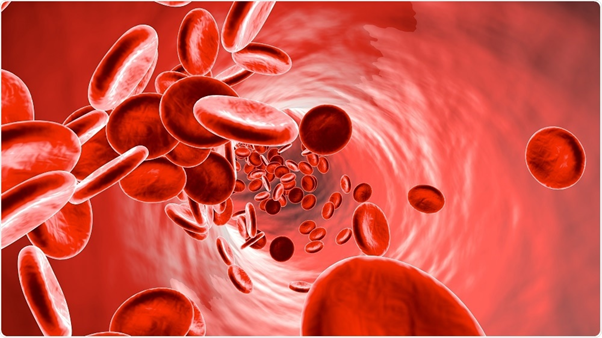
About Anaemia
- A hematological disorder marked by reduced red blood cells (RBCs) or haemoglobin, severely impairing oxygen delivery to tissues.
- Causes diminished physical stamina, memory deficits, and heightened irritability.
- Severe cases risk acute cardiovascular complications, irreversible organ damage, and mortality.
Causes of Anaemia
- Iron Deficiency: Insufficient iron reserves necessary for RBC synthesis.
- Vitamin Deficiencies: Lack of essential micronutrients, specifically vitamin B12 or folate.
- Chronic Diseases: Prolonged conditions (e.g., renal failure) that suppress RBC production.
- Blood Loss: Rapid RBC depletion from trauma, menstruation, or gastrointestinal haemorrhage.
- Inherited Disorders: Genetic defects altering RBC structure or production mechanisms.
Key Features of Anaemia
- Defined by inadequate healthy RBCs to transport sufficient oxygen systemically.
- Symptoms: Chronic fatigue, pallor, shortness of breath, dizziness, and cold extremities.
- Undiagnosed or untreated cases can escalate to severe systemic complications.
- Diagnosed clinically via blood tests measuring haemoglobin, hematocrit, and RBC count.
- Treatment is etiology-specific (e.g., iron/vitamin supplements or blood transfusions).
- Highly prevalent in developing Asian and African nations, affecting 50-60% of pregnant women due to poor nutrition and healthcare access.
- Globally afflicts 40% of children (6–59 months), 37% of pregnant women, and 30% of women (15–49 years).
- Accounted for 50 million disability-adjusted life years (DALYs) lost globally in 2019 (WHO).
- The WHO targets a 50% reduction in prevalence among women and children by 2025.
Different Forms of Anaemia
- Iron-deficiency: Triggered by poor diet or blood loss, leading to impaired haemoglobin synthesis.
- Vitamin-deficiency: Caused by malabsorption or systemic lack of B12/folate.
- Aplastic: Rare, life-threatening bone marrow failure.
- Anaemia of chronic disease: RBC suppression secondary to prolonged inflammatory illnesses.
- Sickle cell: Genetic malformation causing vascular obstruction and reduced oxygen delivery.
- Thalassemia: Inherited abnormal haemoglobin synthesis causing rapid RBC destruction.
- Hemolytic: Accelerated, premature destruction of RBCs via infections or autoimmune reactions.
- Fanconi: Rare genetic condition inducing progressive bone marrow failure.
Anaemia in Pregnancy
- Severe iron deficiency during the first 100 days of gestation elevates the risk of fetal Congenital Heart Defects (CHD).
- Restricted oxygen delivery fundamentally disrupts normal structural heart organogenesis.
- Concurrent folate and B12 deficits further impair essential cellular division and tissue proliferation.
India’s Anaemia Burden
- NFHS-5 (2019–21) reports prevalence at 67.1% in children (6–59 months), 57% in women, 52.2% in pregnant women, and 25% in men (15–49 years).
- Highest critical prevalence among pregnant women is recorded in Ladakh (78.1%) and Bihar (63.1%).
Treatment and Prevention
- Iron Supplements: Administered to rectify iron-deficiency variants.
- Dietary Modifications: Increased consumption of iron-dense leafy greens, legumes, and red meat.
- Vitamin Supplements: Prescribed to resolve B12 or folate deficits.
- Blood Transfusions: Critical medical intervention for severe or refractory cases.
Conclusion
Eradicating anaemia necessitates a comprehensive strategy that integrates clinical treatment, dietary fortification, and targeted socio-economic initiatives like Mission Utkarsh. Sustained inter-ministerial coordination and grassroots health tracking remain critical to securing India’s demographic dividend and ensuring long-term maternal and paediatric well-being.
| This Concept Has Been Elaborately Discussed Under This Article: Beyond Iron Pills: A Multi-Pronged Approach to Eradicating Anaemia |