Why In the News?
- Recently, the health department in Pune reported a significant surge in cases of Guillain-Barré Syndrome, with over 70 cases identified, prompting the Union Health Ministry to dispatch a specialized multi-disciplinary team to assess the situation and investigate potential environmental or infectious triggers.
What is Guillain-Barre Syndrome (GBS)?
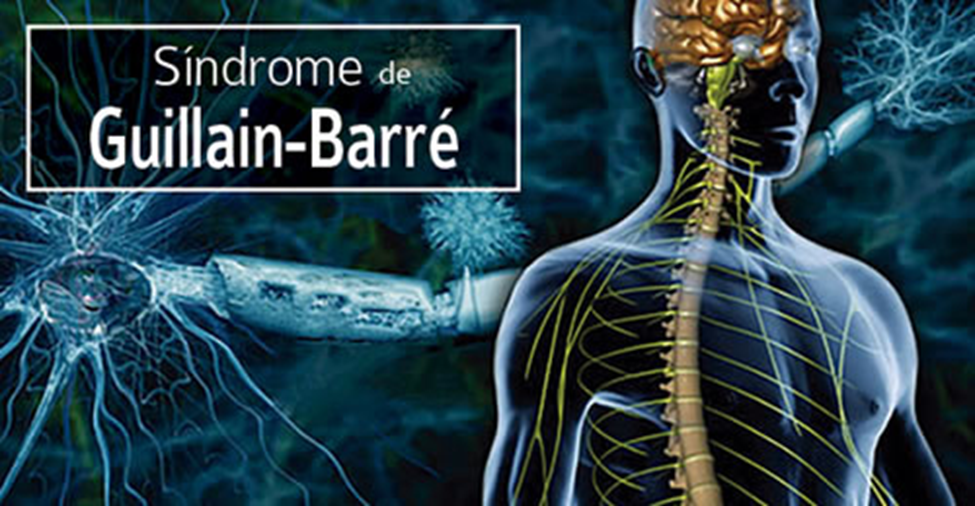
- Definition: GBS is a rare autoimmune neurological disorder where the body’s immune system mistakenly attacks its own Peripheral Nervous System (PNS).
- Mechanism: The immune system damages the myelin sheath, which is the protective insulation of the nerve fibers; this damage disrupts the transmission of signals between the brain and the rest of the body.
- Target: Unlike some other neurological conditions, GBS primarily impacts the nerves outside the brain and spinal cord, affecting muscle movement, pain sensations, and touch.
Causes and Triggers
- Infections: Most cases (around 70%) occur one to six weeks after a viral or bacterial infection, particularly Campylobacter jejuni (common cause of food poisoning/diarrhea).
- Viral Links: It has been linked to the Zika virus, Influenza, Cytomegalovirus, Epstein-Barr virus, and even COVID-19.
- Other Triggers: Rare instances include post-surgery complications or, very rarely, following certain vaccinations (though the risk from the actual disease, like the flu, is much higher than from the vaccine).
Symptoms and Progression
- Initial Signs: The symptoms usually begin as tingling sensations or muscle weakness in the feet and legs (Ascending Paralysis).
- Progression: The weakness can rapidly spread to the upper body, arms, and face, potentially leading to near-total paralysis.
- Severe Complications: In roughly 20-30% of cases, the chest muscles are affected, leading to respiratory failure which requires mechanical ventilator support.
- Autonomic System: It can cause fluctuations in blood pressure and heart rate (Dysautonomia), making it potentially life-threatening.
Diagnosis and Treatment
- Diagnosis: Doctors typically use a Lumbar Puncture (Spinal Tap) to check for elevated protein levels in the cerebrospinal fluid or Electromyography (EMG) to measure nerve activity.
- Treatment: While there is no known cure, two main treatments help speed up recovery:
- Plasma Exchange (Plasmapheresis): Removing the liquid part of the blood (plasma) and replacing it to clear out harmful antibodies.
- Intravenous Immunoglobulin (IVIG) Therapy: Injections of healthy antibodies from donors to block the immune system’s attack on the nerves.
Consider the following statements regarding Guillain-Barré Syndrome:
1.	Guillain-Barré Syndrome is an autoimmune disorder that affects the peripheral nervous system.
2.	Guillain-Barré Syndrome is caused by direct viral invasion of the brain.
3.	Ascending muscle weakness is a typical feature of Guillain-Barré Syndrome.
4.	Plasmapheresis is used in the treatment of Guillain-Barré Syndrome.

Which of the statements given above are correct?
(a) 1 and 3 only
(b) 1, 3 and 4 only
(c) 2 and 4 only
(d) 1, 2, 3 and 4

Correct Answer: (b)
Solution
Statement 1: Correct – Guillain-Barré Syndrome is an autoimmune disorder of the peripheral nervous system.
Statement 2: Incorrect – The disease is immune-mediated and not caused by direct viral invasion of the brain.
Statement 3: Correct – Ascending muscle weakness is a hallmark feature of the disease.
Statement 4: Correct – Plasmapheresis is an established treatment option.