Choosing History Optional for the UPSC Mains requires a specialized skill set, particularly for Paper I, which includes a compulsory 50-mark Map Question. This section can be a “game-changer” because, unlike subjective essays, map pointing is highly objective and scoring—almost like mathematics.
1. The Strategic Importance of the Map
The first question of History Paper I consists of a blind map of India with 20 marked sites. Candidates must identify these sites and write a short historical note (approx. 30 words) for each.
- Total Marks: 50 (2.5 marks × 20 sites).
- Scoring Potential: With accuracy, one can score 35–45 marks, providing a massive lead over others.
- Nature of PYQs: UPSC often repeats sites or chooses sites from the same clusters (e.g., if Lothal was asked, Dholavira or Surkotada might appear in subsequent years).
2. Categorization of Sites (Themes from PYQs)
Based on an analysis of the last 10–15 years of PYQs, the sites generally fall into these specific historical strata:
A. Prehistoric and Proto-historic Sites
- Paleolithic/Mesolithic/Neolithic: Sites like Bhimbetka, Hunsgi, Mehrgarh, Burzahom, and Chirand.
- Chalcolithic: Ahar, Gilund, Daimabad, and Navdatoli.
- Harappan (IVC): Kalibangan, Rakhigarhi, Ganweriwala, and Dholavira.
B. Ancient Political and Religious Centers
- Mahajanapadas & Cities: Vaishali, Ujjain, Taxila, and Kashi.
- Mauryan/Ashokan Edicts: Rock edicts like Kalsi, Girnar, and Jaugada; Pillar edicts like Topra and Lauriya Nandangarh.
- Religious Sites: Buddhist sites (Sanchi, Bharhut, Amaravati), Jain sites (Sravanabelagola), and Hindu temple sites (Deogarh, Aihole).
C. Early Medieval and Medieval Sites
- Capital Cities: Kanchipuram (Pallavas), Tanjore (Cholas), Badami (Chalukyas), and Hampi (Vijayanagara).
- Trade Ports: Muziris, Tamralipti, Kaveripattinam, and Broach.
3. Structural Approach to Writing Descriptions
For each site, your 30-word description must be packed with facts. Avoid vague sentences. Follow this “Three-Point Formula”:
- Identity & Location: State what the site is (e.g., “A major Neolithic site”) and its current geographical location (e.g., “Located in the Bolan Pass, Balochistan”).
- Key Features/Findings: Mention specific archaeological finds (e.g., “Evidence of early farming, mud-brick houses, and turquoise beads”).
- Historical Significance: Link it to a broader context (e.g., “Represents the transition from nomadic pastoralism to settled agriculture”).
4. Step-by-Step Strategy to Master Map PYQs
Step 1: The “Blind Map” Practice
Obtain a stack of A4-sized blind maps of India. Start by plotting sites from a single theme (e.g., “All Ashokan Edicts”). PYQs show that UPSC often picks sites that are geographically close but chronologically different.
Step 2: Coordinate Memory
History map pointing is about precision. You must know the exact position relative to:
- River Bends: (e.g., Hastinapur near the upper Ganges).
- Coastlines: (e.g., Korkai at the tip of the Tamil Nadu coast).
- Latitudinal Alignment: (e.g., knowing which sites fall almost on the same horizontal line as Delhi or Kolkata).
Step 3: Creating a “Site Directory”
For every site mentioned in the PYQs from 1990 to 2025, create a one-page sheet containing:
- The site name.
- Period (Prehistoric, Ancient, etc.).
- 3–4 bullet points of description.
- A small hand-drawn thumbnail of its location.
5. Common Challenges and Solutions
I. The “Coastal Crowding” Challenge
The Problem: Many sites (especially in Tamil Nadu and Gujarat) are clustered so closely that a single pen stroke can cover three different locations. The Solution:
- The “Triangulation” Method: Don’t just memorize the dot; memorize its distance from a major landmark. For example, Arikamedu is just south of Puducherry. If you find the “knee” of the eastern coast, you find the site.
- Sectoring: Divide the map of India into 6-8 micro-zones (e.g., the Saurashtra Peninsula, the Kaveri Delta, the Upper Doab). Practice these sectors on enlarged maps before moving to the full India map.
II. The “Culture Overlap” Challenge
The Problem: A single dot is given, but the site has layers from the Neolithic, Chalcolithic, and Megalithic periods (e.g., Hallur or Brahmagiri). The Solution:
- Identify the “Dominant Signature”: While a site might have multiple layers, the UPSC usually asks for its most significant contribution.
- The Chronological Buffer: In your 30-word description, always mention the continuity.
- Example: “Primarily a Megalithic burial site, also showing evidence of Neolithic ash mounds and early iron-working.”
III. The “Vague Description” Challenge
The Problem: The prompt gives a vague hint like “An ancient capital” or “A Palaeolithic site,” and there are three possible candidates in that state. The Solution:
- Process of Elimination: Cross-reference the hint with the exact latitude/longitude of the dot.
- The “Safe Bet” Description: If you are torn between two nearby sites (e.g., two different Harappan outposts in Kutch), write a description that focuses on the regional characteristics (e.g., “A Harappan settlement noted for its water management and shell-working”) which likely applies to both.
Conclusion: The Final Revision
Map pointing is not a task for the last month of preparation; it is a daily habit. Success in this section depends on spatial awareness and factual density. If you master the top 300-400 sites frequently appearing in PYQs, you secure a foundation that makes the rest of the 450 marks in History Optional much easier to manage.
FAQs
1. Is the Map Question compulsory?
Yes. Question No. 1 in History Optional Paper I is compulsory. It carries 50 marks, and you cannot opt-out of it in favor of other questions. It is essentially the “foundation” of your Paper I score.
2. How are the marks distributed?
The question consists of a blind map of India with 20 numbered sites.
- Identification: You must correctly identify the site based on the dot on the map and the provided hint (e.g., “A Neolithic site” or “A Temple site”).
- Description: You must write a short historical note of about 30 words for each site.
- Scoring: 2.5 marks x 20 sites = 50 marks
3. How should I write the 30-word description?
Since the space and word count are limited, avoid flowery language. Use a bullet-point format to include:
- Period: Mention if it is Paleolithic, Harappan, Mauryan, etc.
- Geography: Mention the modern state and nearby river (e.g., “On the banks of River Narmada in Madhya Pradesh”).
- Key Findings: Mention specific artifacts (e.g., “Ashokan Rock Edict,” “Terracotta figurines,” or “Megalithic burials”).
- Significance: Why is it famous? (e.g., “Strategic trade center on the Uttarapatha”).
4. Do sites repeat in the exam (PYQs)?
Yes, frequently. Around 40-60% of the sites are either direct repeats or are geographically very close to sites asked in previous years. For example, sites like Aihole, Dholavira, Bhimbetka, and Sanchi appear multiple times over a decade.
5. Should I use a Political or Physical map for practice?
It is highly recommended to practice on Physical Maps (showing rivers and mountain ranges). UPSC provides a map with rivers. Knowing the location of a site relative to a river bend (e.g., the “hump” of the Ganges) or a mountain pass is much more accurate than guessing based on modern state borders.
6. What are the best resources for Map preparation?
- Primary Books: A History of Ancient and Early Medieval India by Upinder Singh (contains excellent maps of archaeological cultures).
- Atlases: Historical Atlas of India (Spectrum Publications) or Oxford’s Historical Atlas.
- PYQ Compilations: UPSC official question paper from 1995–2025 is mandatory.
PYQs (2013-2025)
2013
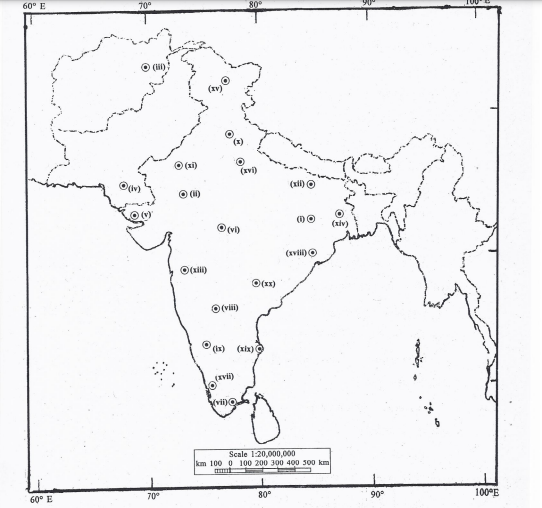
1. A Paleolithic and Mesolithic site
2. A Mesolithic site
3. An important halting place.
4. A Pre-Harappan site.
5. An important Harappan site
6. Site of important fossils
7. A Seat port
8. A Paleolithic site
9. A Neolithic, Megalithic a Chalcolithic site.
10. A Harappan site.
11. A Palaeolithic site.
12. A Neolithic Site.
13. A Chalcolithic site
14. A Chalcolithic Site
15. A site of Buddhist Monastery.
16. Painted Grey Ware site.
17. Site related to a famous Indian Philosopher.
18. Historical Rock cut caves.
19. Famous Fort.
20. Capital of famous Kingdom
2014
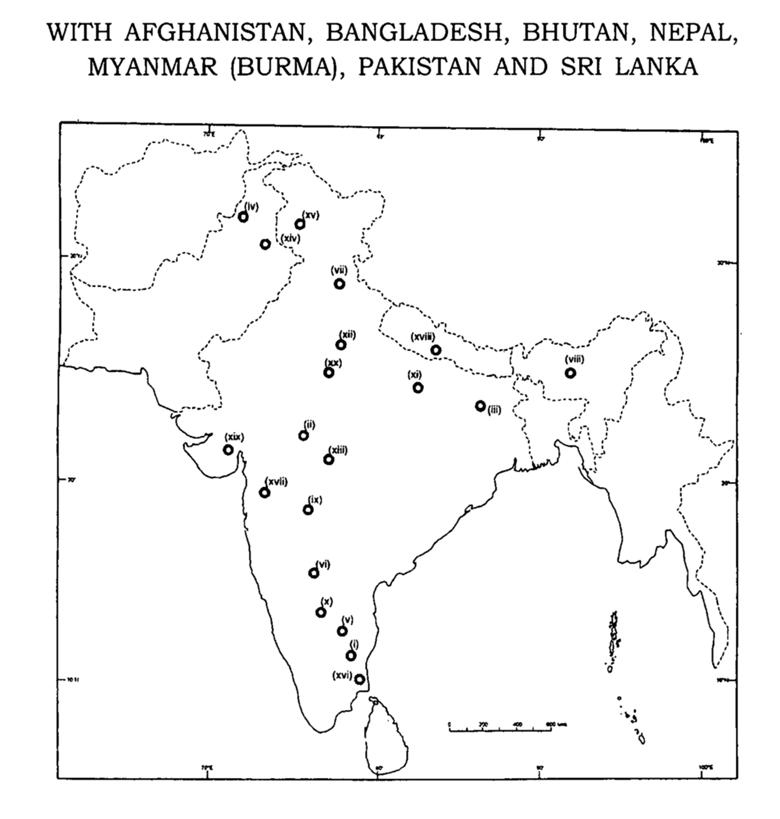
- An ancient capital
- A Palaeolithic site
- A cultural centre
- An ancient capital
- A Palaeolithic site
- A historical site
- A Harappan Site
- An ancient capital
- A political and cultural centre
- Megalithic site
- A Mesolithic site
- A Chalcolithic site
- A prehistoric site
- A political and cultural centre
- An ancient capital
- A lost port
- Rock-cave art centre
- An ancient capital
- A political and cultural centre
- An ancient town
2015
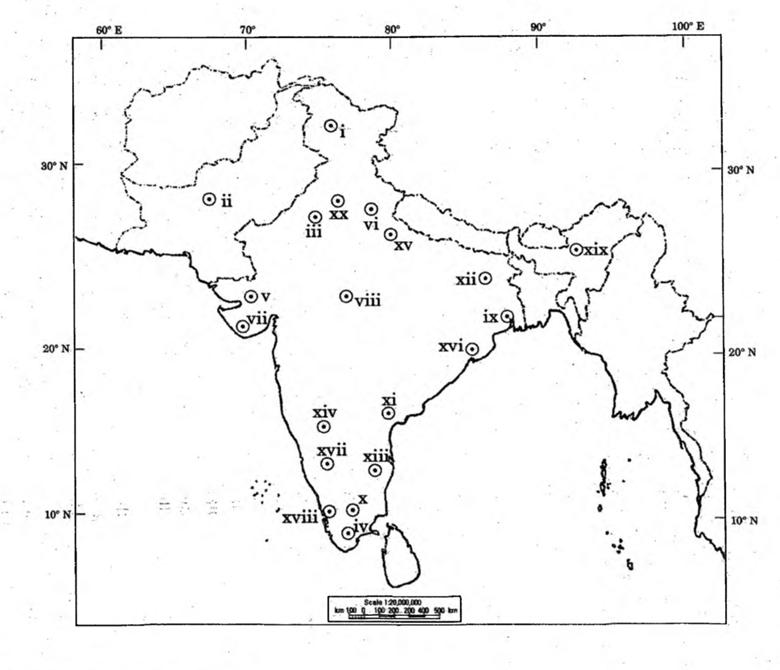
- A Neolithic site
- A Neolithic site
- A Harappan site
- A Megalithic site
- A Harappan site
- A Painted-Grey-ware site
- An inscriptional site
- An important ancient city
- An ancient port
- A site of ancient cave-painting
- A Buddhist site
- An educational centre
- Brahmadeya village
- An ancient capital
- An ancient capital
- A temple site
- An ancient capital
- An ancient sea-port
- An archaeological temple site
- A Harappan site
2016
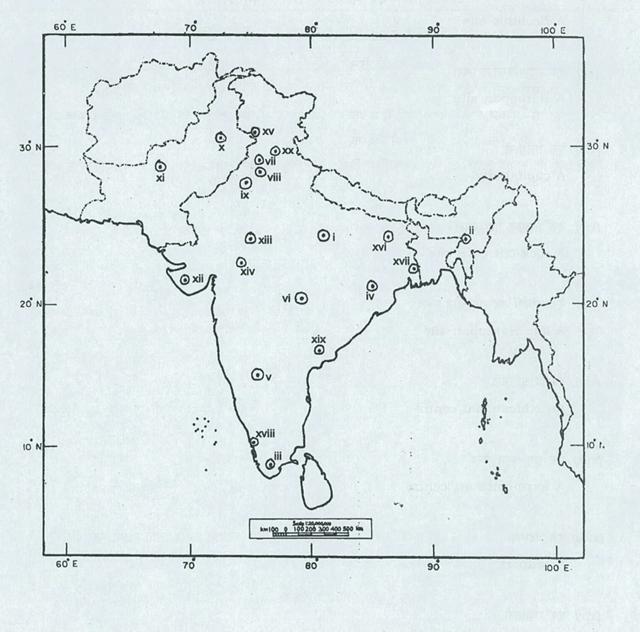
- A Mesolithic site
- A Neolithic site
- A Megalithic-Chalcolithic site
- A Neolithic site
- A Neolithic site
- A Megalithic site
- A site known for Buddhist remains
- A Harappan site
- A Harappan site
- A Harappan site
- A Neolithic site
- A Harappan site
- A capital city
- A rock-cut cave site
- A Late Harappan site
- An educational centre
- A terracotta art centre
- A seaport
- A capital city
- A capital city
2017
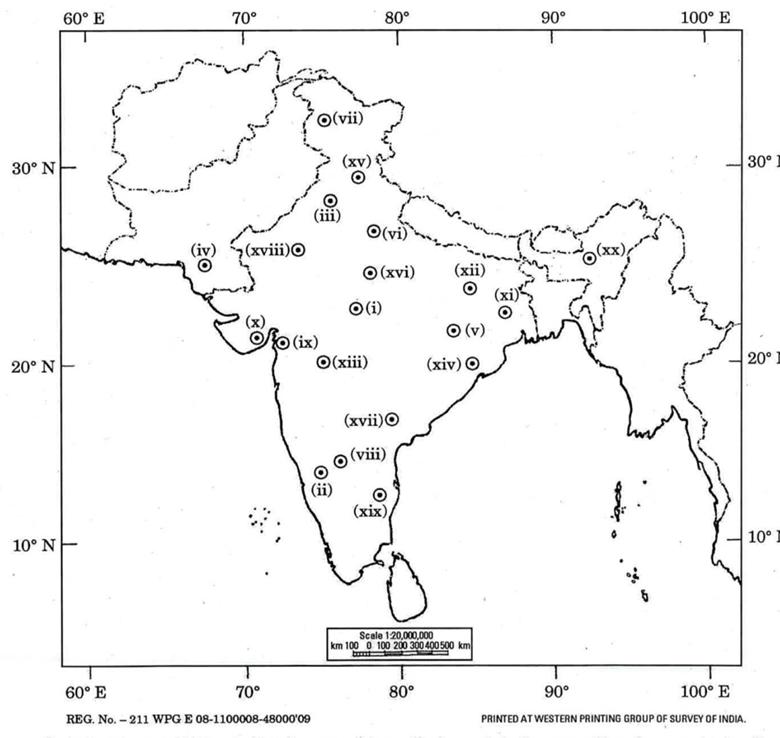
- A Prehistoric cave-paintings’ site
- A Neolithic-Chalcolithic site
- An Early Harappan site
- A Harappan site
- An ancient capital city
- A Painted Grey Ware site
- A Neolithic site
- A site of Ashokan inscriptions
- An ancient port and trade centre
- A Harappan site
- A Chalcolithic site
- An ancient capital city
- A Rock-cut cave site
- An early fortified city
- A Rock-cut temple site
- An ancient temple site
- An ancient capital city
- An ancient temple site
- A Palaeolithic site
- An ancient capital city
2018
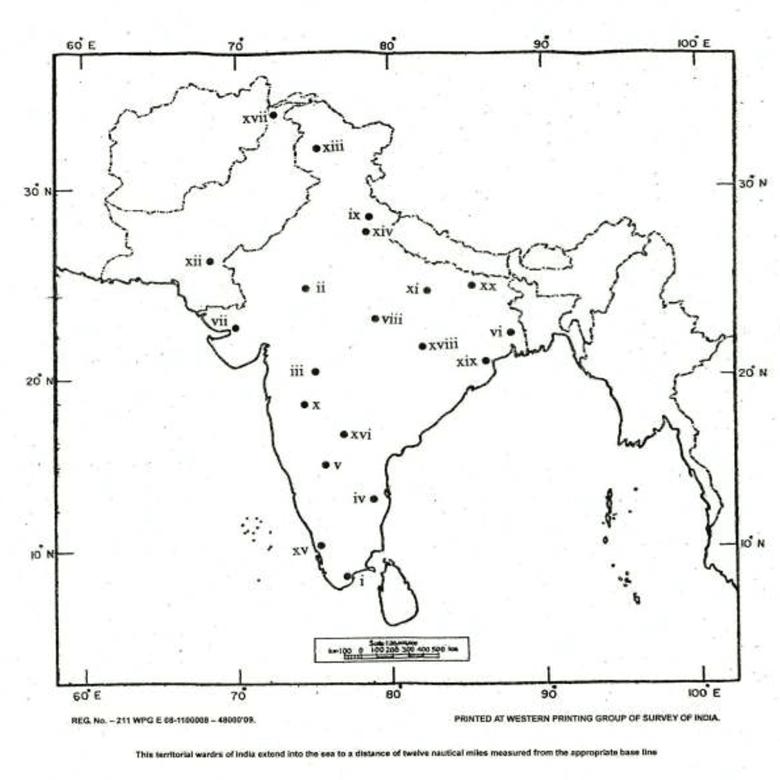
- Megalithic burial site
- Chalcolithic site
- Cave Paintings
- Palaeolithic site
- Political and cultural centre
- Terracotta centre
- Harappan site
- Vaishnav cultural site
- Painted Grey Ware site
- Chalcolithic site
- Early agricultural centre
- Early Harappan site
- An ancient temple
- Political and cultural centre
- An ancient sea port
- Buddhist centre
- Inscriptional site
- An ancient capital
- A Jaina centre
- An ancient capital
2019
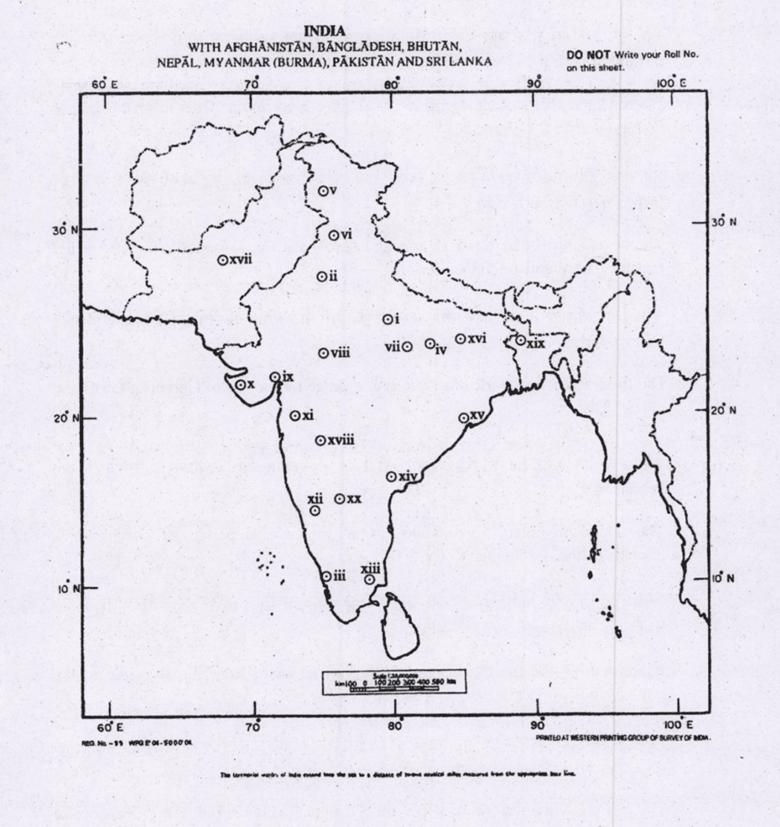
- Brick temple site
- Early Harappa site
- Ancient seaport and trade centre
- Stone Age site
- Neolithic site
- Archaeological site
- Ancient capital city
- Ancient capital
- Harappan site
- Ancient inscriptional site
- A Rock-cut cave site
- Ancient capital city
- Famous temple site
- Centre of School of art
- Ancient inscriptional site
- Ancient education centre
- Pre-Harappan site
- Chalcolithic-period site
- Early inscriptional site
- Ancient Petroglyphs site
2020
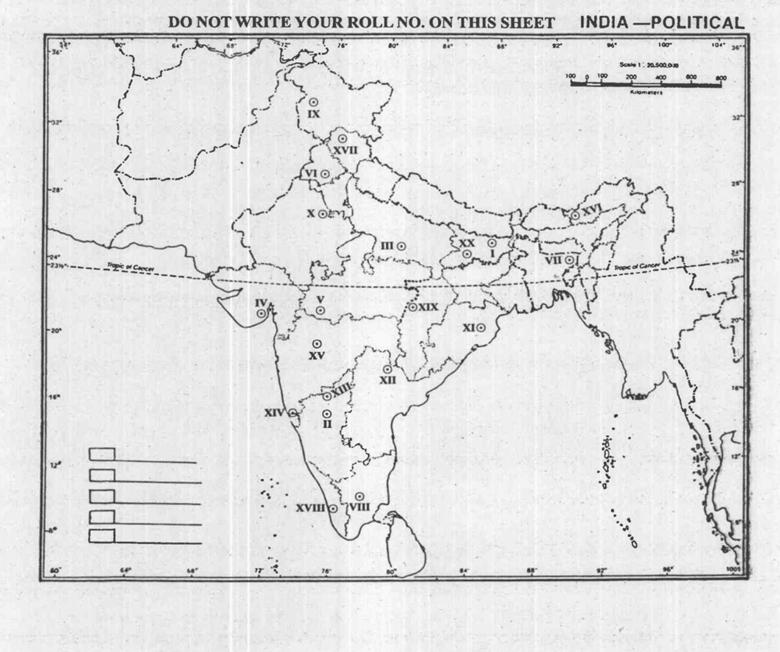
- Palaeolithic site
- Palaeolithic factory site
- Neolithic site
- Early and mature Harappan site
- Chalcolithic site
- Site of Coin and Seal Moulds
- Ancient Administration centre
- Ancient Political Headquarter
- Ancient Temple site
- Pre and Proto Historic site
- Ancient capital city
- Place of Shaiva Temple
- World Heritage Centre of Temple complex
- An inscriptional site
- Place of Jain Temple
- Largest Buddhist Monastery
- Ancient Temple Complex
- Place of oldest Mosque
- Temple complex dedicated to Shiva
- Ancient Education Centre
2021
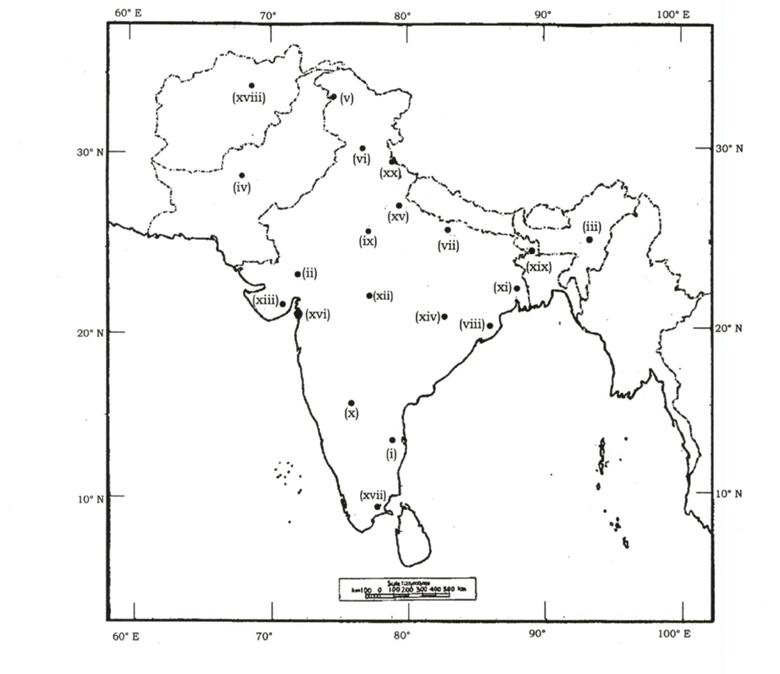
- Palaeolithic site
- Mesolithic site
- Neolithic site
- Neolithic-Chalcolithic site
- Harappan site
- Proto-historic and historic site
- Inscriptional site
- Jain monastic site
- Coin hoard
- Palaeolithic site
- Terracotta site
- Rock-cut caves
- Ancient learning centre
- Political and Cultural centre
- Buddhist site
- Ancient port
- Early historic site
- Ivory hoard
- Buddhist monastic centre
- Temple complex
2022
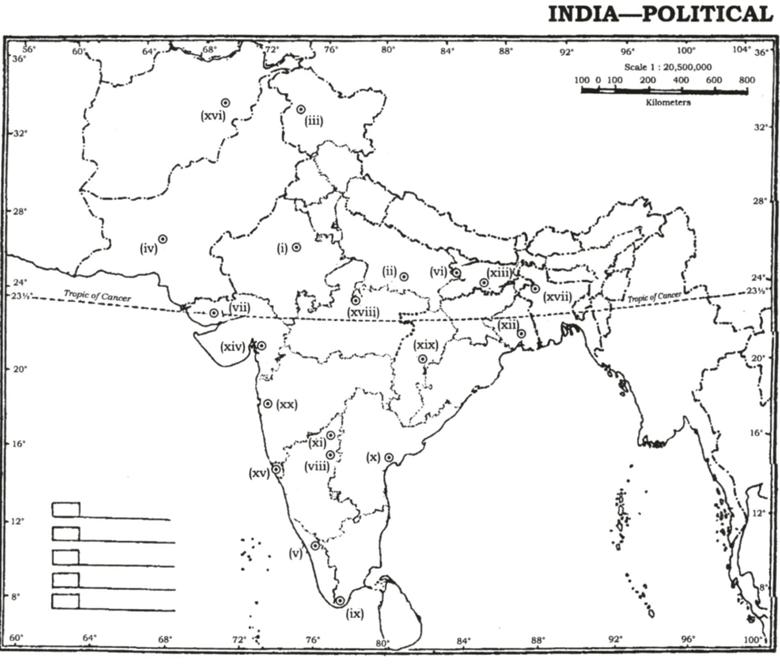
- Palaeolithic site
- Mesolithic site with burials
- Neolithic pit dwelling
- Early village settlement
- Neolithic site
- Neolithic-Chalcolithic site
- Harappan UNESCO site
- Megalithic burial site
- Place of second Sangam
- Earliest Satavahana capital
- Place of inscribed statue of Ashoka
- First Gupta hoard of coins
- Hoard of metal sculptures
- Ancient port
- Oldest Jesuit church
- Centre of Gandhara art
- Buddhist Monastery
- Place of earliest Vishnu Temple
- Shiva and Buddhist temple complex
- Earliest Chaitya Griha
2023
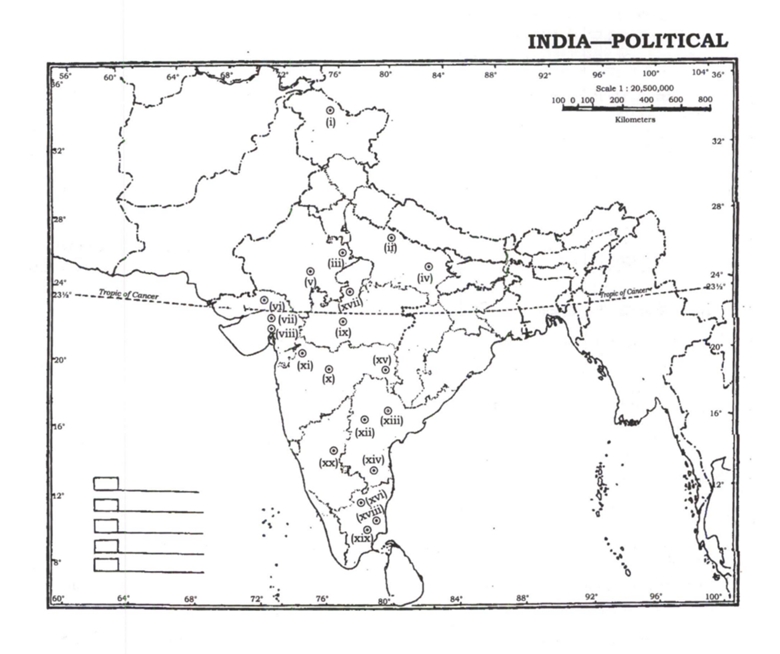
- Neolithic site
- Site of mother and child terracotta figure
- Hoard of Gupta coins
- Site of botanical remains
- Harappan site with mud-brick patform
- Mauryan reservoir site
- Capital of Maitraka dynasty
- Dockyard
- Rock shelter
- Stone axe factory
- Satavahana inscription site
- Minor rock inscription of Ashoka
- Buddhist Stupa
- Mesolithic site
- Iron smelting workshop
- Megalithic site
- Temple dedicated to Surya
- Roman factory site
- Site of Muvar Koil
- Megalith stone site
2024
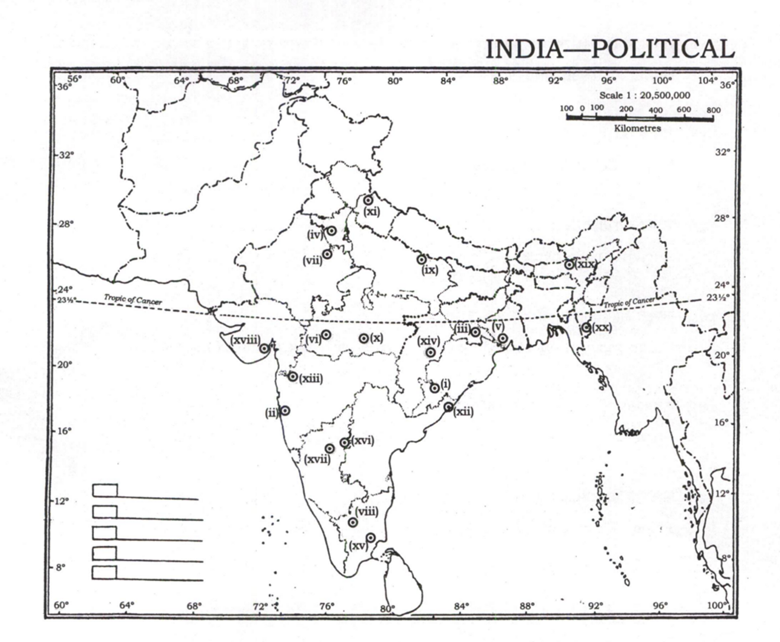
- Prehistoric site
- Area of Petroglyphs
- Neolithic site
- Harappan site
- Buddhist monastery
- Chalcolithic site
- Neo-Chalcolithic
- Megalithic site with rock art
- One of the Mahajanapadas’ capital and associated with Buddha’s miracles
- Hominid fossil find site
- Major rock edict of Ashoka
- Ancient trade centre
- Stone inscription recording land grants with tax exemptions
- Shiva temples named after family relationships
- Place of art related inscription
- Place of inscription of three languages
- Temple site where three styles of temple architecture are found
- Jain pilgrimage site
- Shiva temple of Gupta period
- Megalithic monumental site
2025
- Neolithic site
- Mesolithic Site
- Paleolithic Site
- Neolithic site with stone artefacts
- Site of Indus Valley Civilization
- Early Harappan site with a fire-pit
- Late Harappan site
- The Ochre Coloured Pottery (OCP) site
- Mesolithic site
- Megalithic site
- Mahajanapada of South India
- Site of Buddha’s Mahaparinirvana
- Major Rock Edict of Asoka
- Asokan Minor Rock Edict
- Commercial centre of the Mauryas
- Saka-Kushan coin hoard
- An inscription mentioning the Ashvamedha Sacrifice
- Site of Post-Mauryan period burnt brick house
- Terracotta craft centre of Post-Mauryan period
- Important port of the Pallava period