Why in the News?
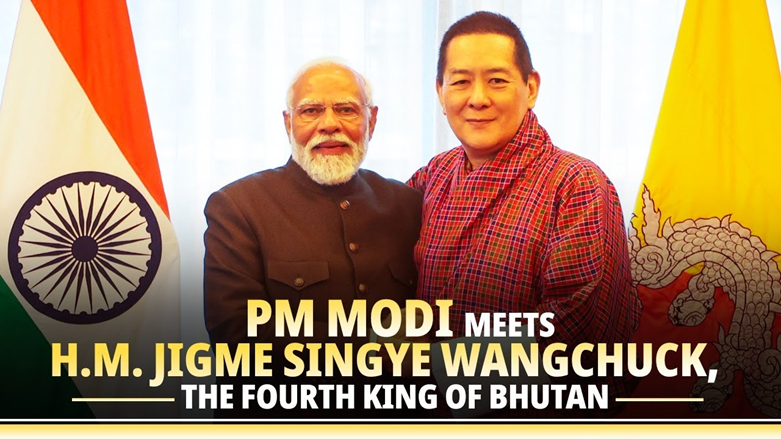
Former King Jigme Singye Wangchuck of Bhutan turned 70 on 11 November 2025, an occasion marked by grand national celebrations in Bhutan and high-level diplomatic attention, including Prime Minister Narendra Modi’s visit to Thimphu.
The event serves as a moment to reflect on the enduring India–Bhutan partnership, built on historical friendship, development cooperation—particularly in hydropower—strategic alignment, and deep cultural bonds. It also highlights King Jigme Singye Wangchuck’s transformative role in modernising Bhutan while preserving its unique identity.
Background / Context
- Jigme Singye Wangchuck (K4) ruled Bhutan from 1972 to 2006, steering the nation towards modern governance while upholding traditional values.
- He introduced the concept of Gross National Happiness (GNH) as a development philosophy, balancing economic growth with cultural preservation and environmental sustainability.
- India has been Bhutan’s principal development partner, supporting infrastructure, capacity building, and economic growth—especially through hydropower projects.
- Over time, Bhutan has emerged as one of India’s most trusted neighbours, with a partnership grounded in mutual respect, trust, and strategic cooperation.
Background / Context
- Jigme Singye Wangchuck (K4) ruled Bhutan from 1972 to 2006, steering the nation towards modern governance while upholding traditional values.
- He introduced the concept of Gross National Happiness (GNH) as a development philosophy, balancing economic growth with cultural preservation and environmental sustainability.
- India has been Bhutan’s principal development partner, supporting infrastructure, capacity building, and economic growth—especially through hydropower projects.
- Over time, Bhutan has emerged as one of India’s most trusted neighbours, with a partnership grounded in mutual respect, trust, and strategic cooperation.
Historical Foundations of the Relationship
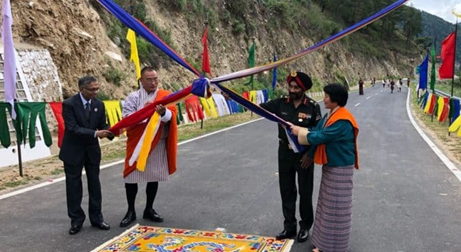
- Post-Independence Engagement: India’s early engagement with Bhutan was guided by its neighbourhood and security priorities, helping Bhutan consolidate sovereignty and build essential infrastructure.
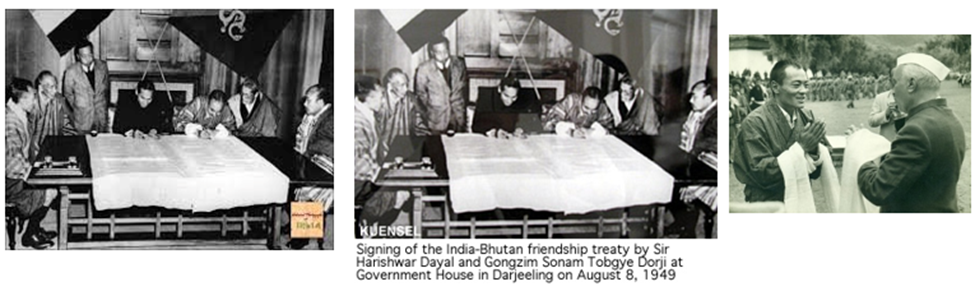
- Bilateral Agreements: The 1949 Treaty of Friendship, later updated in 2007, laid the foundation for cooperation in foreign policy, defence, and economic development.
- Role of the Monarchy: The Bhutanese monarchy, particularly under King Jigme Singye Wangchuck, nurtured institutional stability and policy continuity, ensuring a durable and friendly relationship with India.
Development Cooperation: Hydropower as the Core Pillar
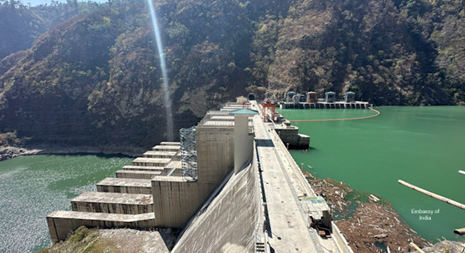
- Hydropower Partnership: The centrepiece of India–Bhutan cooperation. Bhutan exports clean electricity to India, earning vital revenue while contributing to India’s renewable energy goals.
- Flagship Projects:
- Punatsangchhu II (1,020 MW) — built through joint funding and Indian technical assistance, symbolising long-term partnership.
- Mangdechhu and Tala projects — other key ventures strengthening Bhutan’s fiscal base.
- Beyond Energy: India’s assistance extends to infrastructure, education, healthcare, digital connectivity, and institutional development, reflecting a broad developmental engagement.
Strategic and Security Dimensions
- Geostrategic Importance: Bhutan’s location between India and China makes its stability crucial for India’s Himalayan and northeastern security.
- Defence Cooperation:
- Joint training, intelligence sharing, and logistical assistance form the backbone of bilateral security ties.
- Operation All Clear (2003): A landmark counter-insurgency operation where Bhutan, with India’s support, eliminated militant camps along the border.
- Strategic Coordination: India and Bhutan maintain close consultations on border management, regional security, and strategic projects, ensuring trust and mutual sensitivity.
Economic and Emerging Dynamics
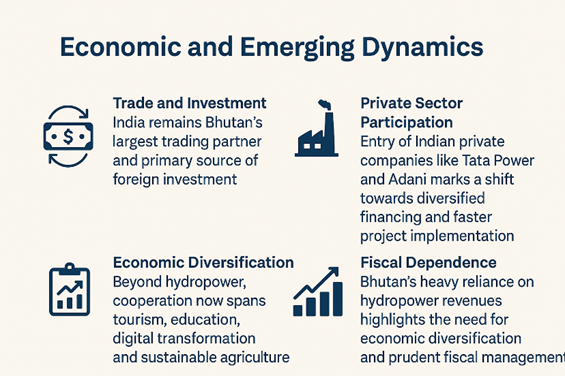
- Trade and Investment: India remains Bhutan’s largest trading partner and primary source of foreign investment.
- Private Sector Participation: Entry of Indian private companies like Tata Power and Adani marks a shift towards diversified financing and faster project implementation.
- Economic Diversification: Beyond hydropower, cooperation now spans tourism, education, digital transformation, and sustainable agriculture.
- Fiscal Dependence: Bhutan’s heavy reliance on hydropower revenues highlights the need for economic diversification and prudent fiscal management.
Cultural and People-to-People Bonds
- Shared Buddhist heritage, linguistic affinities, and cross-border kinship ties strengthen emotional and social connections.
- High-level visits, youth exchanges, and educational linkages foster continued goodwill.
- Bhutan’s model of modernisation without losing cultural identity resonates strongly in bilateral discourse and regional admiration.
Challenges and Emerging Concerns
- Debt and Sovereignty: Growing financial engagement—especially private and foreign capital—must be balanced to preserve Bhutan’s autonomy.
- Environmental Sustainability: Large hydropower projects carry ecological risks; sustainable resource management is essential.
- Geopolitical Sensitivities: Rising Chinese influence in the Himalayan region necessitates careful diplomatic balancing.
- Institutional Capacity: Bhutan’s administrative systems must continue evolving to manage large-scale development and ensure inclusive benefits.
Way Forward
- Respect for Sovereignty: India should continue to support Bhutan’s developmental priorities while respecting its independent policy choices.
- Balanced Financing: Adopt blended finance models combining public, concessional, and private funding with transparent, fair terms.
- Sustainable Development: Prioritise eco-friendly hydropower, social inclusion, and transparent revenue sharing.
- Strategic Partnership: Maintain high-level political dialogue, strengthen border management cooperation, and support Bhutan’s diplomatic autonomy.
- Diversified Cooperation: Expand collaboration into technology, climate resilience, health, and education, reducing overreliance on hydropower.
Conclusion
- The 70th birthday celebrations of King Jigme Singye Wangchuck go beyond commemoration—they reaffirm the depth, trust, and resilience of India–Bhutan relations.
- The partnership, rooted in shared values and mutual respect, has evolved from developmental assistance to strategic collaboration. As both nations navigate new regional and environmental challenges, the India–Bhutan relationship stands as a model of balanced, neighbourly partnership—anchored in sovereignty, sustainability, and shared progress.
Source: Celebrating a sage king, a celebration of India-Bhutan ties – The Hindu
India–Bhutan Relations
Introduction
India and Bhutan share a long-standing relationship characterized by friendship, mutual respect, and strategic cooperation. The two countries have maintained close ties since the mid-20th century, anchored in historical, cultural, economic, and strategic links.
Historical Background
- The relationship between India and Bhutan traces back to the pre- independence era. Bhutan signed treaties with British India, such as the Treaty of Sinchula (1865) and the Treaty of Punakha (1910), which guided Bhutan’s foreign relations under British oversight. After India’s independence in 1947, it inherited these ties and formalized its relationship with Bhutan.
- The Indo-Bhutan Treaty of Friendship was signed on 8 August 1949. This treaty emphasized mutual peace and non-interference in internal matters, while Bhutan agreed to be guided by India in its external relations. The treaty was revised in 2007, removing the clause of guidance in external affairs, thereby recognizing Bhutan’s sovereignty and mutual partnership.
Diplomatic and Institutional Framework
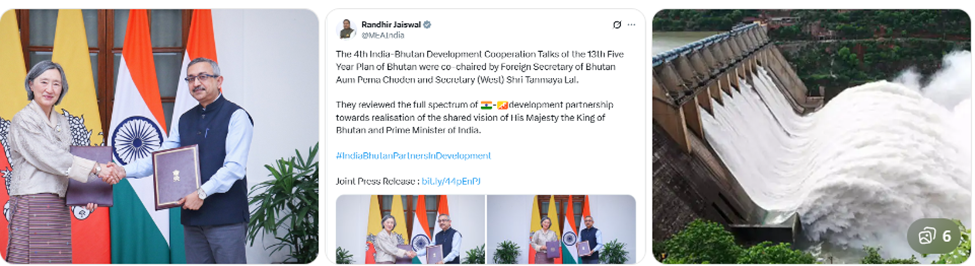
Formal diplomatic relations were established in 1968. India and Bhutan engage through regular high-level visits and institutional mechanisms such as the annual Development Cooperation Talks, which review the entire spectrum of bilateral cooperation. The two countries share a 699 km border, managed through coordinated efforts to maintain security and facilitate trade.
Key Areas of Cooperation
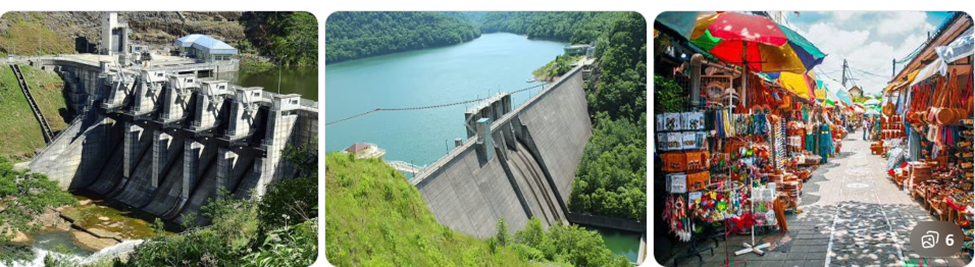
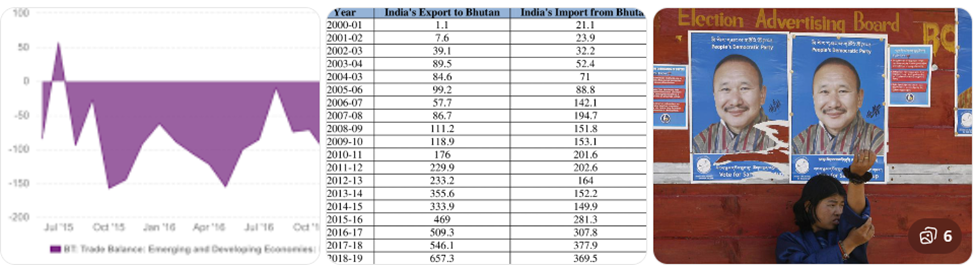
- Economic and Trade Relations: India is Bhutan’s largest trading partner and provides crucial transit access for the landlocked nation. Hydropower is a cornerstone of this cooperation: Bhutan generates electricity that is largely exported to India, with Indian investment supporting hydro projects.
- Development and Infrastructure: India has played a major role in Bhutan’s infrastructure development, including roads, bridges, airports, and hospitals. Project DANTAK, executed by the Indian Border Roads Organisation, has been pivotal in developing Bhutan’s road network. Additionally, India provides scholarships and capacity-building programs in education and health sectors.
- Strategic and Security Cooperation: India provides training and equipment to the Royal Bhutan Army through the Indian Military Training Team (IMTRAT). Bhutan’s strategic location in the Himalayas makes it a key partner for India in maintaining regional security, particularly in the context of the India-China border dynamics.
- Cultural and People-to-People Ties: Buddhism forms a significant cultural link between the two countries. Shared traditions, festivals, and historical connections contribute to strong people-to-people relations, along with border trade and local exchanges.
Challenges
Despite the strong partnership, the relationship faces certain challenges:
- Asymmetry: India’s larger size and influence can sometimes create perceptions of dependence.
- Strategic Pressures: Bhutan’s proximity to China and border issues occasionally require careful diplomacy.
- Economic Dependence: Bhutan relies heavily on India for trade, energy, and development aid, limiting diversification options.
- Connectivity Gaps: Despite infrastructure support, there is scope for improvement in transport and digital connectivity.
Recent Developments
In recent years, India and Bhutan have continued to strengthen their partnership. Development Cooperation Talks reaffirm India’s support for Bhutan’s infrastructure and development agenda. Hydropower and trade remain priority areas, and both countries have emphasized respect for Bhutan’s sovereignty while enhancing connectivity and cooperation.
Conclusion
The India–Bhutan relationship stands as a model of friendship and cooperation in South Asia. Rooted in historical ties, cultural affinity, and strategic alignment, it has evolved into a partnership that balances support and respect for sovereignty. While challenges remain, the strong foundation ensures continued collaboration and mutual benefit in the decades to come.