Context
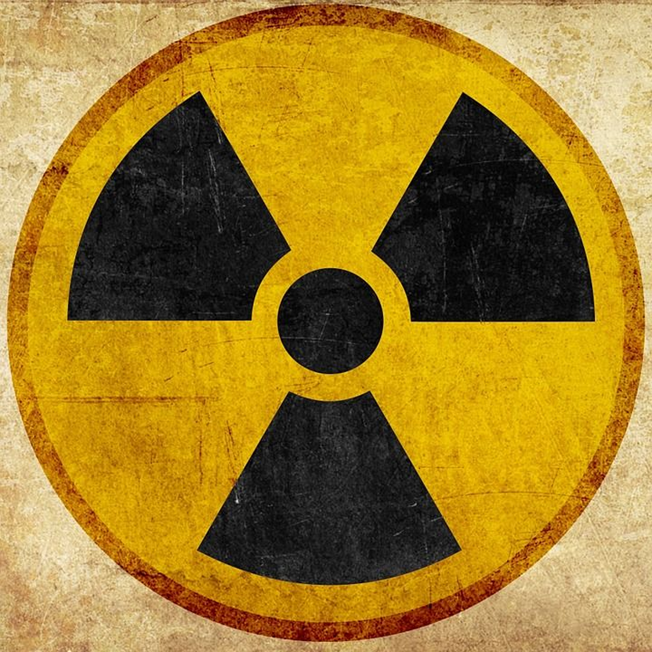
Recently, during the 16th India-EU Summit held in New Delhi, India and the European Union reaffirmed their commitment to deepening cooperation under the India-Euratom Agreement.
Both parties emphasized the “peaceful uses of nuclear energy,” specifically targeting research in advanced materials for detectors, radiation safety, and nuclear security.
1. What is Euratom?
- Full Name: European Atomic Energy Community (EAEC).
- Origin: Established by the Treaty of Rome (1957) alongside the European Economic Community (EEC).
- Legal Status: While it shares the same membership and many institutions with the European Union (EU), Euratom remains a legally distinct entity. It is the only community organization that remains independent of the EU’s singular legal personality.
- Mandate: To create a specialist market for nuclear power, ensure the security of nuclear fuel supply, and develop nuclear energy for peaceful purposes.
2. The India-Euratom R&D Agreement (2020)
- Timeline: Signed in July 2020 during the 15th India-EU Summit, after over 13 years of negotiations.
- Objective: It is an Agreement for Research and Development Cooperation in the peaceful and non-explosive uses of nuclear energy.
- Reciprocity: The agreement is based on mutual benefit, allowing Indian research entities and Euratom-linked European institutions to participate in each other’s research projects.
3. Core Areas of Cooperation
The agreement focuses on three primary pillars of nuclear science:
- Nuclear Fusion: Continued and enhanced cooperation on the ITER (International Thermonuclear Experimental Reactor) project. India is a member of the ITER consortium, and Euratom provides nearly 45-50% of its budget.
- Nuclear Safety & Waste Management: Joint research on the decommissioning of nuclear facilities, radioactive waste management, and environmental impact assessments.
- Non-Power Applications: Collaboration in the use of nuclear isotopes and radiation technology for agriculture, healthcare (cancer treatment), and industrial applications.
4. Significance for India
- Exclusion of Strategic Issues: The agreement strictly covers civil/peaceful uses; it does not interfere with India’s strategic nuclear program or the movement of nuclear material for power generation (which is covered by separate Bilateral Civil Nuclear Agreements with individual EU members like France).
- Technological Access: It provides India access to the EU’s “Horizon Europe” research and innovation program specifically for nuclear domains.
- Global Standing: It reinforces India’s status as a “Responsible Nuclear State” with advanced technologies, despite not being a signatory to the NPT (Non-Proliferation Treaty).
Q. With reference to the 'Euratom' (European Atomic Energy Community) and its agreement with India, consider the following statements:
I. Euratom is a statutory body under the European Parliament and does not have a separate legal identity from the European Union.
II. The 2020 India-Euratom agreement primarily focuses on the commercial supply of Uranium and the construction of Light Water Reactors.
III. India and Euratom are both stakeholders in the International Thermonuclear Experimental Reactor (ITER) project.

Which of the statements given above is/are correct?
(a) I and II only
(b) III only
(c) I and III only
(d) I, II and III

Correct Answer: (b)
Explanation:
STATEMENT 1 IS INCORRECT: Euratom is legally distinct from the European Union, although it is governed by EU institutions. It was established by the Euratom Treaty (1957) as a separate legal entity.
STATEMENT 2 IS INCORRECT: The India-Euratom agreement is specifically an R&D cooperation agreement for research and peaceful uses; commercial supply of nuclear fuel and reactor construction are typically handled via bilateral Inter-Governmental Agreements (IGAs) with individual countries (e.g., India-France or India-Russia).
STATEMENT 3 IS CORRECT: Both India and Euratom are key members of the ITER project in France, which aims to prove the feasibility of fusion as a large-scale and carbon-free source of energy.