Why in the News
The burgeoning field of neurotechnology has been recently discussed, emphasising its potential to explore and shape the functioning of the human brain, positioning it as a critical area for scientific advancement, healthcare improvement, and economic opportunity for India.
Background and Context
- The brain has been consistently regarded as humanity’s final frontier, and the coming decades are projected to witness neurotechnology stretching the boundaries of understanding and influencing its operations.
- Drawing on rapid advancements across neuroscience, Artificial Intelligence (AI), engineering, and computing, these devices are capable of sensing or stimulating brain signals in real time.
Understanding Neurotechnology and Brain-Computer Interfaces (BCIs)
Definition of Neurotechnology
Neurotechnology is essentially the application of mechanical tools to directly communicate with the brain, encompassing systems that can record, monitor, or even influence neural activity. This opens avenues for better comprehension of the mind’s function and, consequently, its potential repair or enhancement.
Core of the Revolution: Brain-Computer Interface (BCI)
The Brain-Computer Interface (BCI) stands at the heart of this revolution, representing a technology that merges neuroscience and computing to translate thoughts into action.
- Functionality: BCIs are designed to listen to the brain, decode its signals, and subsequently convert them into digital commands or instructions for control systems.
- Applications: These commands can be used to control a computer cursor, a wheelchair, or even a robotic arm.
- Methodology:
- Some systems utilise non-invasive sensors, such as EEG headsets.
- Other systems employ implanted electrodes for achieving more precise control.
- Current Human Applications: Current human applications remain primarily therapeutic, focusing on areas such as rehabilitation, neuroprosthetics, and mental health.
Potential for Human Enhancement and Military Advantage
- The idea of employing such interfaces for human enhancement or gaining a military advantage is considered technically likely.
- However, the use of BCIs in these domains will necessitate fierce ethical debate before any adoption is considered.
India’s Need and Potential Benefits from Neurotechnology
Addressing the Disease Burden
India carries a significant neurological disease burden, covering a wide spectrum of ailments.
- Growing Prevalence: Between 1990 and 2019, the share of non-communicable and injury-related neurological disorders in India’s overall disease load experienced a steady rise, with stroke emerging as the single largest contributor.
- Therapeutic Solutions:
- Neuroprosthetics could potentially restore mobility and communication for individuals living with paralysis.
- Targeted neural stimulation offers the possibility of reducing long-term dependence on medication for mental health patients.
Economic Opportunity and Global Competence
The opportunity presented by neurotechnology extends significantly beyond healthcare, representing a major economic frontier.
- Intersectional Domain: Neurotechnology is situated at the intersection of biotechnology, engineering, and AI, sectors where India is rapidly developing global competence.
- Competitive Advantage: India’s genomic diversity, the presence of available expertise, and increasing awareness about brain research collectively position the nation as a potential hub for the development of these technologies.
Current Status of Neurotechnology in India
India is in the process of creating strengths in neurotechnologies within both the academic and private sectors.
- Research and Development:
- IIT Kanpur researchers recently unveiled a BCI-based robotic hand, demonstrating its potential usefulness for stroke patients.
- Key research centres include the National Brain Research Centre in Manesar and the Brain Research Centre at IISc, Bangalore.
- Startup Innovation:
- Dognosis, a startup, is employing neurotechnology to study brain signals in dogs, with the objective of detecting the neural patterns that occur when they recognise the scent of cancer in human breath samples.
- This represents an application of neurotechnology used in animals but holds the potential to revolutionise cancer screening in humans.
Global Advancements in Neurotechnology
Other nations are making significant advancements, often through large-scale, coordinated initiatives.
- United States (U.S.):
- The U.S. is considered the global leader in neurotechnologies.
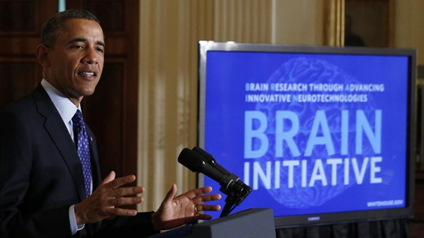
- The NIH’s Brain Research Through Advancing Innovative Neurotechnologies® Initiative (The BRAIN Initiative®) is a partnership accelerating the development of innovative neurotechnologies.
- Neuralink received approval from the Food and Drug Administration (FDA) in May 2024 for in-human trials of its BCI, demonstrating its capacity to restore some prosthetic-enabled motor function in paralytic patients.
- China:
- The China Brain Project (2016-2030) is focused on key areas: understanding cognition, developing brain-inspired AI, and treating neurological disorders.
- Regulation and Ethics:
- The EU and Chile are pioneering laws concerning BCIs and neurorights, indicating a global focus on the ethical and regulatory aspects of the field.
Way Forward: Policy and Regulation
For India to fully capitalise on the benefits of neurotechnology, appropriate policy and regulatory steps must be taken.
- Regulatory Support: Inadequate regulatory support could potentially thwart BCI development and adoption in India.
- Public Engagement: A public engagement strategy is necessary to discuss both the benefits and risks of BCIs, thereby assisting in understanding public perception of these technologies.
- Tailored Regulatory Pathways: Instead of a singular policy for all BCIs, the development of tailored regulatory pathways is recommended, where the assessment of different types of BCIs is based on their unique benefits and risks within the Indian context.
- Technical and Ethical Assessment: A regulatory pathway that comprehensively assesses BCIs on both technical and ethical aspects is of utmost need, with a crucial focus on ensuring data privacy and user autonomy.
Conclusion
- Neurotechnologies constitute a set of emerging technologies with a wide array of applications, extending from healthcare to gaming and recreation.
- Given the nascency of the field, significant progress is yet to be made; however, the combined factors of India’s strategic advantages and the growing need to address the neurological disease burden underscore the necessity for proactive development and a robust, ethics-focused regulatory framework to harness its potential.
Neurotechnology
Neurotechnology represents a transformative frontier that integrates neuroscience, engineering, computer science, and AI to understand, monitor and modulate the human nervous system. It includes cutting-edge breakthroughs such as Brain–Computer Interfaces (BCI), neural implants, neuro-prosthetics, and AI-driven neuro-analytics.
As human–machine integration deepens, neurotechnology is reshaping healthcare, defence, education, communication, and human enhancement, raising profound ethical, legal, and governance questions. Global investments crossed approx. $33 billion in the last decade, with the market projected to reach approx. $38.3 billion by 2030 (Grand View Research, 2025).
Concept of Neurotechnology
Neurotechnology refers to technologies that directly interact with the brain or nervous system to record, map, influence or enhance neural activity.
- Core Mechanisms: Electrodes, optical sensors, and AI algorithms decode brain signals into commands or deliver stimuli for therapeutic effects.
Key Components
| Development | Technique | Primary Function | Significance |
| Neural Monitoring | EEG, fMRI, ECoG, MEA | Recording electrical, magnetic, or metabolic activity in the brain. | Understanding the brain’s operation; diagnostic tools. |
| Neuroprosthetics | Cochlear Implants, Retinal Implants | Replacing or augmenting a damaged sensory or motor function. | Restoration of lost biological function. (e.g., cochlear implants restoring hearing.) |
| Neuromodulation | DBS, TMS, tDCS | Directly altering or regulating neural activity via electrical or magnetic pulses. | Therapeutic intervention for neurological and psychiatric disorders. (e.g., deep brain stimulation for Parkinson’s) |
| Brain-Computer Interface (BCI) | Invasive & Non-Invasive Systems | Translating neural signals (thought, intent) directly into external commands. | Communication and Control bypassing the body’s natural output mechanisms. |
Historical Evolution of Neurotechnology
The roots of neurotechnology stretch back almost a century, though its current acceleration is recent:
Early Foundations
- 1875: Sir Richard Caton demonstrates electrical activity in the brain.
- 1929: Hans Berger invents the Electroencephalogram (EEG).
- 1960s–1980s: Emergence of early cochlear implants and experimental neural stimulation.
Modern Developments
- 1998: First successful neural implant enabling a paralyzed patient to move a cursor with thought.
- 2010–2020: Rapid progress with AI, machine-learning, and miniaturized sensors.
- Neuralink, Blackrock Neurotech, and BrainGate have achieved:
- Wireless BCIs
- Thought-controlled robotic arms
- High-density microelectrode arrays
Present-Day Phase – Neurotech 4.0
- High-bandwidth BCIs
- Closed-loop neuromodulation
- Digital twins of the brain
- Integration of AI and big data
Constitutional References
India lacks explicit neurotechnology laws, but Article 21 of the Constitution—guaranteeing right to life and personal liberty—extends to neuro-rights via privacy rulings.
- K.S. Puttaswamy v. Union of India (2017): Established privacy as fundamental, covering informational privacy for neural data.
- X v. Union of India (2022): Mandated informed consent for intrusive procedures, applicable to BCIs.
- Calls for Reform: Scholars advocate recognizing cognitive liberty under Article 21, treating brain data as sensitive personal data absent in DPDP Act.
Brain-Computer Interfaces (BCIs): The Core of Neurotechnology
A Brain-Computer Interface (BCI), or Brain-Machine Interface (BMI), is a system that allows for direct communication between the brain and an external device. It bypasses the body’s normal neuromuscular pathways to translate neural signals into functional outputs.
Classification of Neurotechnologies and BCIs
Neurotechnologies can be categorized based on their level of invasiveness:
| Type | Description | Applications |
| Invasive | Requires surgery to implant electrodes directly into the grey matter of the brain. | Deep Brain Stimulation (DBS) for Parkinson’s, epilepsy, and depression; high-fidelity BCIs for controlling advanced prosthetics or robotic limbs (highest signal quality, but prone to scarring). |
| Semi-Invasive | Electrodes are placed on the surface of the cerebral cortex (e.g., Epidural ECoG). | Electrocorticography (ECoG) for seizure monitoring; offers a better signal quality than non-invasive without penetrating brain tissue. |
| Non-Invasive | Devices detect or stimulate brain activity from outside the body without surgery. | EEG headsets for monitoring cognitive states (focus, fatigue, stress); Transcranial Magnetic Stimulation (TMS) or Transcranial Direct Current Stimulation (tDCS) for neuromodulation or cognitive enhancement (safest, lowest signal quality). |
Present Status of Neurotechnology
Global Landscape
- Estimated global neurotechnology market: USD 15–20 billion (2024 estimate; growing >12% CAGR).
- Major leaders:
- USA: Neuralink, Kernel, DARPA’s neuro programs
- EU: Human Brain Project, Neurorobotics
- China: AI-BCI integration for defence, stroke rehabilitation
- Japan: neuro-robotics and aging-related neurological care
Indian Landscape
India is emerging but still developing the ecosystem.
- Institutions like IIT Delhi, IIT Madras, IIT Kanpur, IISc Bengaluru and AIIMS are leading research.
- India’s first indigenous BCI-based speech device tested in 2023 for ALS patients.
- Defence Research and Development Organisation (DRDO) developing neurotech for pilots and soldiers (cognitive load monitoring).
- Startups: Arcatec, BrainSightAI, CogniAble, GenBrain Nexus.
- Research & Development (R&D): The Indian ecosystem is seeing a rise in AI and deep-tech startups like BrainSightAI focusing on neuroimaging and diagnostics. Government bodies like the Department of Science and Technology (DST) and Indian Council of Medical Research (ICMR) are investing in indigenous R&D.
- Regulatory Gap: Currently, India lacks specific laws explicitly addressing neuro-rights or regulating the collection and use of neural data. The existing Digital Personal Data Protection Act (DPDPA) does not explicitly classify neural data as sensitive personal data, leaving a regulatory blind spot.
Significance of Neurotechnology: Impacting the Future
Neurotechnology represents a paradigm shift in both medicine and human capability, offering unprecedented opportunities to address debilitating conditions and augment human potential. Its significance spans therapeutic, economic, and societal dimensions.
Therapeutic and Medical Impact
- Restoration of Lost Function: Neuroprosthetics (e.g., BCIs, cochlear implants) offer the ability to restore senses and motor control to individuals with paralysis, deafness, or blindness, fundamentally improving their quality of life.
- Revolutionizing Mental Health Treatment: Deep Brain Stimulation (DBS) and targeted neurostimulation are providing effective treatment options for previously intractable neurological and psychiatric disorders, including severe OCD, treatment-resistant depression, and Parkinson’s disease.
- Precision Diagnostics and Monitoring: Advanced neuroimaging (fMRI, MEG) and EEG analysis, often powered by AI, enable earlier and more accurate diagnosis and real-time monitoring of conditions like epilepsy, Alzheimer’s, and stroke.
- Accelerating Rehabilitation: BCIs are used in stroke and spinal cord injury rehabilitation by creating new neural pathways through targeted feedback and stimulation, harnessing the brain’s neuroplasticity.
- Personalized Medicine: Neurotechnology allows for the development of highly individualized therapies based on a patient’s unique neural activity and disorder signature, moving away from “one-size-fits-all” drug treatments.
Societal and Economic Impact
- Boosting Economic Productivity: By restoring function to individuals with disabilities, neurotechnology can enable them to return to the workforce, contributing significantly to the global economy.
- Defense and Security Enhancement: Used for developing interfaces that improve a user’s cognitive performance, situational awareness, and reaction time in high-stress operational environments.
- Driving Innovation in AI: The effort to decode complex neural signals pushes the boundaries of Machine Learning and Artificial Intelligence (AI), leading to breakthroughs applicable in computing far beyond neuroscience.
- Advancing Human Understanding: Neurotechnologies are crucial tools for basic research, providing unprecedented views into how the human brain processes information, forms memories, and generates consciousness.
Challenges in Neurotechnology
Despite its promise, the path forward for neurotechnology is fraught with significant technical, ethical, and regulatory challenges that must be meticulously addressed to ensure safe and equitable deployment.
- Ethical Risks and Threats to Cognitive Autonomy: Neurotechnology raises serious ethical dilemmas because it can potentially influence, alter, or even manipulate a person’s thoughts, emotions, and decision-making, thereby threatening an individual’s cognitive autonomy and freedom of thought.
- Absence of Mental Privacy and Risks of Brain Data Misuse: Brain-signal data is the most intimate form of personal information, and without strong protections, individuals may lose mental privacy, enabling unauthorized collection, profiling, or exploitation of neural patterns by corporations, governments, or malicious actors.
- Inadequate Legal and Regulatory Frameworks: Most countries, including India, currently lack comprehensive laws specifically governing BCIs, neural implants, or neurodata, which creates ambiguity regarding liability, consent, safety standards, and the permissible boundaries of neuro-enhancement.
- Cybersecurity Threats and Neural Hacking: As BCIs and neural implants increasingly connect to digital systems, they become vulnerable to hacking, malware, and external manipulation, which could lead to unauthorized control of prosthetics, disruption of neural functions, or theft of brain data.
- Medical and Safety Risks of Invasive Technologies: Invasive neurotechnologies such as implanted electrodes carry risks of infections, tissue damage, bleeding, and long-term adverse effects, while even non-invasive systems may cause cognitive fatigue, unintended neural stimulation, or psychological stress.
- Socio-Economic Inequality and “Neuro-Privilege”: Advanced neuro-enhancement tools may become accessible only to wealthy individuals, creating a divide between the “neuro-enhanced” and those who cannot afford such technologies, thereby deepening existing social and economic inequalities.
- Dual-Use and Militarization Concerns: Neurotechnology has clear dual-use potential, and in military contexts, it could lead to ethically questionable systems such as cognitive warfare tools, brain-controlled weapons, or enhanced soldiers, raising global security and humanitarian concerns.
- Psychological Impacts on Users: Long-term use of neurotechnology may alter user identity or self-perception, potentially causing anxiety, dependency, reduced self-agency, or emotional instability as individuals adapt to machine-assisted cognition or motor control.
- Algorithmic Bias and Unreliable AI Interpretations: Since many neurotech systems rely on AI to decode neural signals, they risk embedding algorithmic biases, misinterpreting neural data, or producing inconsistent outputs, which could lead to inaccurate medical diagnoses or harmful interventions.
Global Best Practices: UNESCO’s Framework
The global community, led by the United Nations, is recognizing the urgency of ethical governance.
- IEEE Neuroethics Framework (2023)
- OECD Recommendation on Responsible Innovation in Neurotechnology (2019, updated 2024)
- Neurorights Foundation (Rafael Yuste) — five proposed neuro-rights: mental privacy, personal identity, free will, equitable access, bias protection
- UNESCO’s Recommendation on the Ethics of Neurotechnology (2025): This is the first global normative framework setting ethical boundaries. It calls for:
- Protection of Neural Data and Mental Privacy: Treating neural information as highly sensitive personal data.
- Safeguarding Cognitive Liberty: Ensuring freedom of thought and choice is protected from external manipulation.
- Promoting Inclusivity and Accessibility: Ensuring that advances in neurotechnology benefit all of humanity, not just a privileged few.
- Prohibition of Manipulative Use: Explicitly banning the use of neural data for political, commercial, or deceptive purposes, including profiling.
- Chile’s Constitutional Amendment (2021): Chile became the first country to constitutionally protect neuro-rights, ensuring the right to mental integrity and regulating technologies that allow access or interference with brain activity.
Way Forward
The future of neurotechnology relies on establishing a comprehensive and balanced strategy that prioritizes responsible innovation, ethical governance, and equitable access.
- Constitutional Enshrinement of Neuro-Rights:
- Action: India must formally recognize and protect Neuro-Rights (e.g., mental privacy, cognitive liberty, and psychological continuity) through legislative amendments (e.g., to the DPDPA) or judicial interpretation of Article 21 (Right to Life and Personal Liberty).
- Establishment of a Dedicated Regulatory Body:
- Action: Create a Neurotechnology Regulatory Authority (NRA) or a specialized joint task force under bodies like MeitY, ICMR, and DST to define clear standards for research, clinical trials, and commercial deployment of neurodevices, distinguishing between therapeutic and enhancement uses.
- Mandating Security and Privacy-by-Design:
- Action: Enforce strict requirements for end-to-end encryption, strong authentication, and robust security architecture in all neurodevices from the design stage to mitigate risks of unauthorized access and ‘brainjacking’.
- Prioritizing Publicly-Funded Inclusive Innovation:
- Action: Direct significant public funding and tax incentives towards medical neurotechnology R&D (e.g., solutions for Parkinson’s, epilepsy, spinal cord injury) to ensure that life-changing devices are accessible and affordable, preventing a “neuro-divide.”
- Developing Open-Source Data Standards and Protocols:
- Action: Promote the development and adoption of non-proprietary, open-source standards for neural data acquisition, storage, and processing to foster collaboration, reproducibility, and prevent vendor lock-in of sensitive brain data.
- Implementing International Collaboration on Ethical Governance:
- Action: Actively participate in global initiatives (e.g., UNESCO’s ethics frameworks) to harmonize regulatory standards for neurotechnology, particularly regarding the cross-border transfer of sensitive neural data and combating manipulative uses.
- Fostering Multidisciplinary Public Dialogue and Education:
- Action: Launch national campaigns and platforms involving neuroscientists, ethicists, legal experts, policymakers, and the public to educate and debate the societal implications, ensuring democratic input shapes the technology’s trajectory.
- Differentiating Regulatory Pathways for Therapy vs. Enhancement:
- Action: Establish separate, clearer regulatory approval pathways and risk assessments for therapeutic applications (treating a disease/disability) versus cognitive enhancement uses, given the differing safety and ethical implications of each.
- Developing AI/ML Auditing Frameworks for Decoders:
- Action: Create auditable standards to assess the accuracy, bias, transparency, and reliability of the AI and Machine Learning algorithms (decoders) used in BCIs, ensuring they are trustworthy and do not introduce unintended control or harm.
- Incentivizing Research into Long-Term Biocompatibility:
- Action: Provide targeted grants for research focusing on materials science and bioengineering to overcome the challenges of glial scarring and improve the longevity and stability of invasive and semi-invasive neural implants.
Conclusion
- The advent of neurotechnology marks a pivotal moment in human history—the ultimate integration of human biology and machine intelligence.
- To realize its immense medical and societal benefits and to prevent the erosion of fundamental human rights, global and national governance, including in India, must urgently transition from reactive to proactive regulation.
- Only by putting human dignity, autonomy, and mental privacy at the core of its development can neurotechnology truly serve as a force for inclusive and positive human progress.