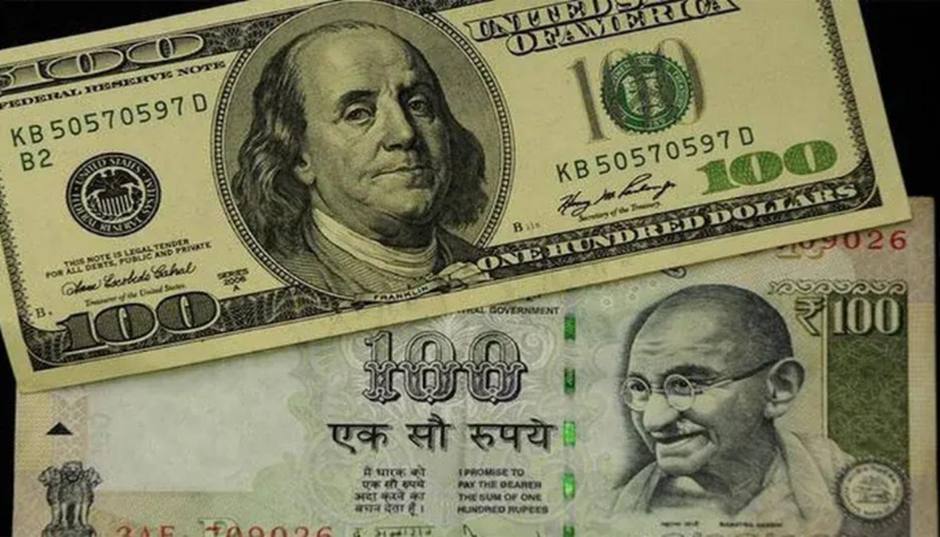
Context: The Indian Rupee (INR) has depreciated to an all-time low, breaching the ₹90 per USD mark.
The Exchange Rate Regime:
- Official Stance: India follows a Managed Floating Exchange Rate System.
- Mechanism: The exchange rate is determined by market forces (Demand and Supply).
- Role of RBI: The Reserve Bank of India (RBI) intervenes in the foreign exchange market to contain excessive volatility and maintain orderly conditions. It does not target a specific exchange rate level (e.g., ₹85 or ₹90).
IMF’s Classification: In its recent Article IV consultation, the IMF reclassified India’s exchange rate regime from “floating” to a “Stabilized Arrangement” (or “crawl-like”), citing excessive intervention.
- Note: The Government of India contested this, terming the reclassification as “unjustified.”
NEER vs. REER: The Competitiveness Indices
| Index | Definition | Significance |
| NEER (Nominal Effective Exchange Rate) | The weighted average of the rupee’s value against a basket of currencies of major trading partners. | It tracks the currency’s external value but ignores inflation. |
| REER (Real Effective Exchange Rate) | The NEER adjusted for the inflation differential between India and its trading partners. | It is the true measure of Trade Competitiveness. |
REER > 100: Currency is Overvalued (Indian goods are expensive abroad → Exports hurt).
REER < 100: Currency is Undervalued (Indian goods are cheaper → Exports competitive).
Current Trend: High domestic inflation relative to global partners typically leads to an appreciation in REER, even if the nominal rupee (spot rate) is falling.
Drivers of Depreciation:
- Capital Account – FPI Outflows:
- When Foreign Portfolio Investors (FPIs) sell Indian stocks/bonds, they convert their rupee proceeds into dollars to repatriate funds.
- Result: Demand for Dollar ↑+ Supply of Rupee ↑ = Rupee Depreciation.
- Current Account – Trade Deficit:
- A delay in trade deals or rising import bills (e.g., oil) increases the demand for dollars by importers.
- Global Factor – Dollar Index (DXY):
- The DXY measures the USD against six major currencies. If DXY rises (due to US economic strength), emerging market currencies like INR typically fall (inverse relationship).
Impact of Depreciation on Key Macro-Indicators
| Parameter | Trend | Impact |
| Imported Inflation | Increases | Cost of essential imports (Crude Oil, Edible Oil, Fertilizers) rises, pushing up domestic CPI. |
| Current Account Deficit (CAD) | Widens | Since India’s import demand (Oil/Gold) is price-inelastic, the import bill rises faster than export earnings. |
| External Commercial Borrowings (ECB) | Negative | Corporates with unhedged dollar loans must pay more rupees to service the same debt. |
| Remittances | Positive | NRIs sending money home get more rupees for every dollar remitted. |
| Forex Reserves | Decreases | If RBI sells dollars to smoothen the fall, the reserves decline. |