
After Reading This Article You Can Solve This UPSC Mains Model Questions:
Caste-based discrimination in higher education undermines constitutional values and limits social mobility. Examine the impact of caste-based discrimination on access to education in India and evaluate the adequacy of existing legal and policy frameworks to address it. 250 Words (GS-2, Governance & Social Justice)
Context
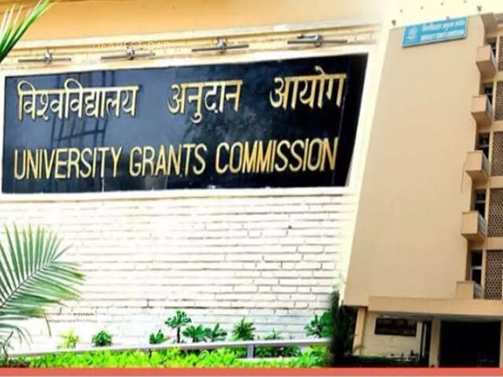
- The University Grants Commission (UGC) recently notified the Promotion of Equity in Higher Education Institutions Regulations, 2026, a robust framework designed to eliminate deep-rooted discrimination and foster an inclusive environment in Indian campuses.
- However, the Supreme Court of India has recently stayed these rules, characterizing them as “too sweeping.”
- While the judiciary scrutinizes the constitutional and social implications, the regulations represent a pivotal evolution from the largely ignored 2012 framework, aiming to transform guidelines into enforceable mandates.
Evolution of the University Grants Commission (UGC)
The University Grants Commission is the cornerstone of higher education regulation in India. It is headquartered in New Delhi and consists of a Chairman, Vice-Chairman, and ten members appointed by the Centre. Its journey defines the standards of Indian academia:
- Historical Origins: The concept emerged from the Sargeant Report (1944). Initially, a committee was formed in 1945 to oversee Aligarh, Banaras, and Delhi universities.
- Radhakrishnan Commission (1948): Recommended a centralized body based on the British model to ensure uniform quality and systematic development.
- Transition to UGC (1952): The Union Government officially empowered the commission to handle all financial grants allocated to higher education institutions and central universities.
- Statutory Birth: Formally inaugurated in 1953 by Maulana Abul Kalam Azad, the first Minister of Education, it gained statutory status under the UGC Act, 1956.
- Core Mandate: The UGC is responsible for the allocation of grants to universities, providing policy advice on reforms in higher education, and promoting the improvement and maintenance of academic quality and standards across higher education institutions.
Core Provisions of the UGC (Promotion of Equity in Higher Education Institutions) Regulations, 2026
The 2026 UGC Regulations introduce a transformative shift in campus governance by replacing optional guidelines with a mandatory, multi-tiered framework designed to secure social justice and inclusivity. The following are the essential pillars of the new rules:
- Broadened Scope of Caste Protection: The rules explicitly define caste-based discrimination to cover unfair treatment against Scheduled Castes (SCs), Scheduled Tribes (STs), and Other Backward Classes (OBCs). This inclusion of OBCs addresses a critical gap in previous policy frameworks.
- Inclusive Definition of Bias: Discrimination is interpreted broadly to include any direct or indirect unfair treatment based on race, religion, caste, gender, disability, or place of birth. It specifically targets any act that violates human dignity or hinders educational equality.
- Mandatory Equal Opportunity Centres (EOCs): Every institution is legally required to set up an EOC to act as a hub for promoting social inclusion, ensuring equal access, and managing discrimination-related grievances.
- Establishment of Equity Committees: Each EOC must house an Equity Committee led by the institution’s head. To ensure balanced oversight, the committee must include mandatory representation from SCs, STs, OBCs, women, and persons with disabilities.
- Robust Reporting Framework: To ensure transparency, EOCs must generate bi-annual reports, while the institutions are obligated to submit an annual report detailing their equity-related initiatives to the UGC.
- Leadership Accountability: The regulations shift the burden of responsibility onto the head of the institution, making them personally accountable for the successful execution and compliance of these equity measures.
- National Oversight Mechanism: The UGC will create a National Monitoring Committee featuring representatives from civil society and statutory bodies. This group will meet at least twice a year to review complaints and recommend preventive strategies.
- Enforceable Punitive Measures: Shifting from advisory to mandatory, the rules allow the UGC to impose strict penalties for non-compliance, including debarment from funding, restrictions on academic programs, or the revocation of institutional recognition.
Impact of Caste-Based Discrimination on Educational Access in India
- Erosion of Constitutional Ideals: Caste-based exclusion violates the core constitutional values of equality, human dignity, and fraternity. It diminishes trust in affirmative action policies and democratic institutions, while undermining India’s goal of inclusive and equitable development.
- Barriers to Quality Education: Deep-rooted prejudice and unequal schooling outcomes restrict the presence of SC/ST/OBC students in elite schools and higher education institutions. Inadequate access to quality education confines communities to low-income occupations, weakening education’s role as a social leveller.
- Psychological Marginalisation: The stigma associated with “reserved category” identities often results in anxiety, low self-esteem, and declining academic performance. The Thorat Committee (2007) highlighted how segregation in hostels, dining spaces, and sports facilities leads to social isolation, creating enclaves of exclusion within premier campuses.
- Ineffective Grievance Redressal Mechanisms: SC/ST Cells in many universities remain non-functional or lack enforcement authority, frequently prioritising institutional image over victim justice. The Thorat Committee (2007) observed that these bodies often exist only formally, with limited independence.
- Elevated Dropout Rates: The combined impact of social bias, economic hardship, and psychological stress contributes to disproportionately high dropout rates among marginalised groups, perpetuating intergenerational disadvantage.
Legal and Policy Framework to Combat Caste Discrimination in Education
India has developed a comprehensive constitutional, legal, and policy architecture to address caste-based discrimination, uphold equality, human dignity, and social justice, and protect historically marginalised communities, particularly Scheduled Castes (SCs) and Scheduled Tribes (STs), from exclusion in education.
Constitutional Safeguards:
- Article 14 (Right to Equality): Guarantees equality before law and equal protection of laws, prohibiting arbitrary discrimination.
- Article 15 (Non-Discrimination & Affirmative Action): Bars discrimination on grounds of religion, race, caste, sex, or place of birth, while enabling special provisions and reservations for socially and educationally backward classes.
- Article 16 (Equal Opportunity in Employment): Ensures equal opportunity in public employment and permits reservations for SCs, STs, and OBCs.
- Article 17 (Abolition of Untouchability): Abolishes untouchability in all forms and makes its practice a punishable offence.
- Article 46 (Directive Principles): Mandates the State to promote the educational and economic interests of SCs, STs, and weaker sections, and protect them from social injustice and exploitation.
Legal Safeguards:
- Protection of Civil Rights Act, 1955: Operationalises Article 17 by penalising the practice of untouchability and denial of civil rights.
- SC/ST (Prevention of Atrocities) Act, 1989: Prescribes stringent punishments for offences against SCs and STs, including denial of access to educational institutions, to curb social, economic, and physical exploitation.
- Right to Education Act, 2009: Ensures inclusive and non-discriminatory access to elementary education for all children.
- UGC Regulations: Mandate higher education institutions to prevent caste discrimination and establish grievance redressal and equity mechanisms.
- Judicial Safeguards: Indian courts have consistently upheld constitutional morality, reinforcing equality and dignity through progressive interpretation.
Government Initiatives Supporting Equity in Education:
- SHRESHTA: Provides residential education to meritorious SC students in reputed private schools, enhancing access to quality education.
- National Fellowship for SC/ST: Offers financial support to M.Phil and Ph.D. scholars, strengthening academic autonomy.
- Top Class Education Scheme: Fully funds SC/ST students in premier institutions such as IITs and IIMs, removing financial barriers.
- PM-AJAY: Focuses on building hostels for SC students to improve safety, reduce social isolation, and enhance retention rates.
Measures to Address Institutional Casteism in Education
- Periodic Social Audits: The National Commission for Scheduled Castes (NCSC) should conduct annual social audits in Central Universities to assess compliance with Zero Discrimination norms and identify structural shortcomings.
- Inclusive and Representative Curriculum: Academic curricula must be diversified and decolonised to include Dalit history, thought, and literature across disciplines, ensuring intellectual representation and validating the presence of marginalised communities in higher education.
- Institutionalised Mentorship Programmes: Structured mentorship initiatives should be formally adopted to bridge cultural, academic, and social capital gaps, supporting students from disadvantaged backgrounds during their transition into elite institutions.
- Faculty Sensitisation and Capacity Building: Mandatory sensitisation and training programmes for faculty and staff should focus on recognising and eliminating implicit caste bias and micro-aggressions, thereby fostering an inclusive and respectful academic environment.
- Special Recruitment Drives (SRDs): Urgent and sustained SRDs are required to fill the significant backlog of SC/ST faculty vacancies, particularly in premier institutions, as a diverse faculty acts as a strong institutional safeguard against discrimination.
Conclusion
True nation-building requires that Higher Education Institutions (HEIs) be safe harbors of merit and equity. While the UGC 2026 Rules face judicial scrutiny, their core mission—to dismantle institutional casteism—is essential for India to transition from a mere “Right to Education” to a meaningful “Right to Equal Education.”