
After Reading This Article You Can Solve This UPSC Mains Model Question:
Discuss the significance of the gig economy in India’s urban growth and analyse how climate change is altering its sustainability. Suggest a way forward.15 Marks (GS 3, Economy)
Introduction
- India has seen a sharp rise in the frequency, intensity, and duration of heatwaves over the past decade, with the India Meteorological Department reporting that these events now affect larger areas and occur earlier in the year, while 2022 recorded notable heat-related deaths in several regions.
- At the same time, the Intergovernmental Panel on Climate Change warns that South Asia is likely to face extreme wet-bulb temperatures (which combine heat and humidity), which can make outdoor work unsafe for long periods.
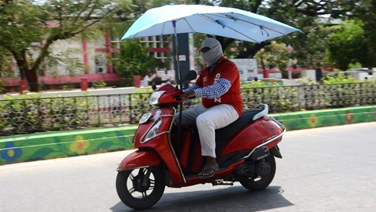
- In this situation, as India enters another summer of intense heat, the growing vulnerabilities of millions of gig workers engaged in delivery and transport services without formal labour protection highlight a serious governance challenge related to climate resilience, labour rights, and platform-based employment.
Background: Gig Workers in India — An Overview
A. Who are Gig Workers?
- The term “gig economy” refers to a labour market characterised by short-term contracts, freelance work, and on-demand tasks, as opposed to permanent jobs.
- Gig Workers: The Code on Social Security, 2020 defines a gig worker as “a person who performs work or participates in a work arrangement and earns from such activities outside of traditional employer-employee relationship.”
- They include food and grocery delivery agents, e-commerce couriers, ride-hailing drivers, logistics handlers, and freelance professionals working through apps and websites.
- Platform Workers: Platform workers, a subset of gig workers, are those engaged specifically through online or digital platforms.
- Aggregators: Digital intermediaries or marketplaces for a buyer of service and a seller (e.g., Swiggy, Zomato, Ola, Uber, Urban Company).
B. Government Initiative
- Rajasthan Platform-Based Gig Workers (Registration and Welfare) Act, 2023: Rajasthan became the first state in India to enact legislation specifically for gig workers, establishing a welfare board and mandatory registration of platform workers. Karnataka has also proposed similar legislation.
C. Growth and Scale of Gig Workforce in India
- As per NITI Aayog’s 2022 report ‘India’s Booming Gig and Platform Economy’:
- India had approximately 7.7 million gig workers in 2020–21.
- This number is projected to surpass 23 million by 2029–30, reflecting an annual growth rate of nearly 12 percent.
- Gig workers may constitute over 6–7% of the non-agricultural workforce in the coming decade.
- Share in Total Workforce: Gig workers constituted about 1.5 percent of India’s total workforce in 2020-21, a share expected to rise to 4.1 percent by 2029-30 as platform-based employment grows.
- Current Workforce: According to the Economic Survey 2025-26, India’s gig sector witnessed a 55% increase from 7.7 million workers in FY21 to approximately 12 million in FY25.
- Urban Concentration: Gig work is predominantly concentrated in Tier-1 and Tier-2 cities such as Mumbai, Delhi, Bengaluru, Hyderabad, and Chennai, where platform-based delivery and ride-hailing services are most active.
Significance of the Gig Workforce in India
Gig workers, particularly delivery partners and transit drivers, have evolved into the invisible backbone of India’s urban economy.
- Last-Mile Essential Service Enablers: They facilitate the seamless movement of food, medicines, and groceries, ensuring that urban consumption cycles remain resilient. During the COVID-19 pandemic, this workforce acted as a systemic lifeline, maintaining essential supply chains while formal sectors remained restricted.
- Engine of the Digital Economy: The gig economy is a visible manifestation of India’s digital infrastructure. Platforms like Swiggy, Zomato, Blinkit, Amazon, Flipkart, Ola, Uber, and Porter collectively support millions of workers and handle billions of transactions annually, thereby driving Goods and Services Tax (GST) collections and attracting Foreign Direct Investment (FDI).
- Macroeconomic Value Addition: The sector contributes approximately 1.25% to India’s Gross Domestic Product (GDP). By optimizing transaction costs and providing operational flexibility, gig work fuels the rapid expansion of the e-commerce and Quick Commerce (Q-commerce) industries. A healthy and productive gig workforce is essential to sustaining this economic ecosystem.
- Democratized Employment Safety Net:
- Low-Barrier Entry: It serves as a vital livelihood bridge for first-generation urban migrants and low-income youth who may lack the formal educational credentials required for the organized sector.
- Social Inclusivity: Flexible scheduling offered by gig platforms has enabled individuals who cannot commit to fixed-hour employment including persons with disabilities or those with caregiving responsibilities to earn income on their own terms.
- Gender-Diverse Pathways: While delivery roles are male-dominated, women are carving significant niches in digital freelancing, home-based micro-tasks, and beauty/wellness platforms, enhancing overall Female Labour Force Participation (FLFPR).
- Climate and Crisis Buffer: During extreme weather events such as heatwaves or urban flooding—gig workers absorb the physical risks of transit, allowing the broader population to adhere to safety advisories while ensuring that the economy does not come to a standstill.
- Human Capital Utilization: By providing immediate earning opportunities, the gig economy prevents involuntary unemployment and allows workers to monetize their time and assets (like two-wheelers) effectively, contributing to the overall productivity of the urban labor force.
Key Challenges Faced by Gig Workers in India during Extreme Heat and their Impact
1. Heat as an Income Shock:
- Gig workers face a direct income shock during extreme heat, as their earnings depend entirely on the number of deliveries completed, trips undertaken, or hours logged on digital platforms.
- Therefore, unlike salaried employees who can work remotely or avail paid leave, gig workers must choose between stopping work and losing income or continuing to work at the cost of their health, creating a harsh trade-off.
2. Absence of Occupational Health and Safety Norms:
- India’s current labour framework does not provide mandatory heat-related rest periods for gig workers, as they fall outside formal employer–employee relationships.
- Although several cities have introduced Heat Action Plans, temporary cooling centres, and water kiosks, these interventions are largely designed for stationary populations rather than mobile workers.
- A delivery worker completing thirty to forty trips daily across multiple locations cannot reliably access fixed cooling facilities, limiting their effectiveness. As a result, they are compelled to depend on public infrastructure or personal resources, which are often inadequate during extreme heat conditions.
3. Algorithmic Pressure and Performance Metrics:
- Digital platforms use algorithmic management systems that continuously monitor performance through delivery speed, acceptance rates, and customer ratings. During extreme heat, these metrics create implicit coercion, as workers who slow down or log off to manage heat stress risk lower ratings, fewer orders, or even deactivation.
- Since algorithms do not factor in environmental conditions, they reinforce structural pressure to work despite unsafe heat exposure.
4. Gender-Specific Vulnerabilities:
- Women gig workers face intersecting burdens, as they must manage occupational heat exposure alongside unpaid domestic and caregiving responsibilities, particularly during summer months. This dual burden makes it harder for them to absorb income losses and maintain consistent work participation.
- In addition, women workers experience heightened safety concerns, as extreme heat often leads to deserted streets and reduced public presence, increasing risks during work hours.
5. Limited Access to Social Security and Welfare Mechanisms:
- Responsibility for gig worker welfare remains fragmented across multiple institutions, as health departments focus on medical outcomes, disaster management agencies respond reactively, labour departments are constrained by unclear employment status, urban local bodies neglect labour needs in planning, and digital platforms prioritise efficiency without climate-risk integration, resulting in a lack of a coordinated and comprehensive response.
- Most gig workers do not have access to Employees’ State Insurance (ESI), Provident Fund, or any employer-funded health insurance. When a worker falls ill due to heat stress or is hospitalised, there is no compensatory mechanism.
- The e-Shram portal, launched in 2021 to register informal workers and provide them with social security benefits, has achieved significant registration numbers but has not yet translated into comprehensive health and income protection for platform workers.
Global Best Practices
To address these challenges, India can look toward international models that have successfully integrated heat safety into labor regulations.
- United States (OSHA Standards): The Occupational Safety and Health Administration (OSHA) uses a “Heat Stress Guide” that mandates a “Water, Rest, Shade” protocol. This includes acclimatization periods for new workers and mandatory breaks when the heat index reaches specific thresholds.
- UAE and Gulf Countries: Many Middle Eastern nations implement a Mandatory Midday Break law, which prohibits outdoor work during the hottest hours of the summer months (typically 12:30 PM to 3:00 PM).
- Parametric Insurance (SEWA, India): The Self-Employed Women’s Association (SEWA) has piloted parametric heat insurance, where payouts are automatically triggered if local temperatures exceed a certain threshold for a specified number of days, compensating for lost income.
- Spain’s “Rider Law”: Spain’s ‘Riders’ Law’, enacted in 2021, mandates that food delivery platforms classify their delivery workers as employees rather than independent contractors. This entitles delivery workers to social security contributions, collective bargaining rights, and occupational safety protections, including those relevant to heat exposure.
Way Forward: Building a Climate-Resilient Gig Economy
- Heat-Responsive Platform Design:
- Dynamic Incentives: Platforms should introduce “Heat Surcharges” during extreme weather, which are passed directly to workers as hazard pay.
- Algorithm Adjustments: Delivery timelines should be automatically relaxed when the Heat Index exceeds safe levels, removing the threat of penalties for slow service.
- Urban Infrastructure Development:
- Cooling Hubs: Municipalities should collaborate with aggregators to set up Climate Resilient Rest Areas (equipped with water, fans, and first aid) at high-density delivery hubs.
- Right to Cooling: Policy should recognize access to cooling as a basic labor right for outdoor workers.
- Policy and Legislative Reforms:
- Enforceable Standards: The Occupational Safety, Health and Working Conditions (OSHWC) Code must be updated to include specific, mandatory heat-safety standards for platform-based outdoor work.
- Climate-Linked Social Security: Utilizing the Social Security Fund (mandated by the 2020 Code) to provide “Weather-Loss Compensation” or parametric insurance for gig workers.
- Institutional Coordination:
- Convergence of Departments: Effective heat management requires coordination between the Ministry of Labour, Ministry of Health, and Disaster Management Authorities to treat heatwaves as an economic disaster rather than just a health issue.
Conclusion
India’s gig workers are both the most visible and the most vulnerable participants in its urban economy, and as heatwaves intensify, the absence of labour protections for this workforce represents a systemic failure of climate adaptation that demands urgent, coordinated policy action. Genuine resilience for this workforce must mean not just preventing heat-related illness, but protecting livelihoods and that requires India to reimagine heat preparedness as an issue of economic justice, not merely a public health advisory.