
Context
As Delhi records temperatures exceeding 42°C and peak power demands crossing 7,000 MW, the Delhi Government, Municipal Corporation of Delhi (MCD), and the Lieutenant Governor (L-G) have initiated a multi-agency response to mitigate the impact of heatwaves on public health and infrastructure.
1. Key Administrative Measures
- Labor Welfare: Mandatory rest breaks for outdoor workers during peak heat hours (1:00 PM to 4:00 PM). Employers are legally responsible for providing shade and water.
- Public Transport: Provision of cold drinking water in all DTC buses and ORS counters at bus shelters.
- Education Sector: MCD schools have scrapped outdoor assemblies to prevent heatstroke among children.
- Institutional Roles:
- District Magistrates (DMs): Designated as the lead executors for heatwave action plans.
- Focus Groups: Special protection for “Vulnerable Groups” (Women, Children, Elderly, and Laborers).
2. Public Health Focus: Oral Rehydration Solution (ORS)
The article mentions the distribution of ORS at bus stands.
I. What is ORS?
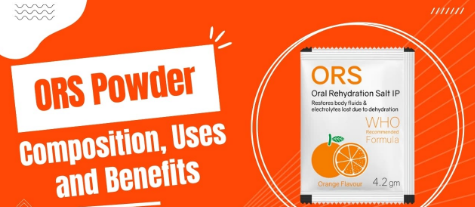
ORS is a specialized mixture of dry salts that is mixed with safe water. It is used to treat dehydration caused by extreme heat (perspiration) or diarrhea. It is listed on WHO’s Essential Medicines List — one of the most important public health interventions of the 20th century
II. Composition (WHO Formula):
- Sodium Chloride (Salt): Replaces electrolytes lost through sweat.
- Glucose (Sugar): Crucial because it helps the intestines absorb the salt and water more efficiently.
- Potassium Chloride: Replaces potassium lost during dehydration.
- Trisodium Citrate: Corrects the acidity in the blood (acidosis).
III. Mechanism of Action:
- ORS works on the “Glucose-Sodium Co-transport” mechanism. The bowel can absorb salt much better if sugar is present.
- It does not “cure” the heat, but it prevents the body from shutting down due to the loss of fluids and essential minerals.
| Heatwave Criteria (IMD) Plains: Heatwave is declared when the maximum temperature is 40°C. Hilly Areas: Heatwave is declared when the maximum temperature is 30°C. Coastal Stations: Maximum temperature reaches 37∘C or more. |
Oral Rehydration Solution (ORS), used in the management of dehydration, typically contains which of the following components?
(a) Sodium chloride, potassium chloride, glucose, and trisodium citrate
(b) Calcium carbonate, sodium chloride, glucose, and vitamin C
(c) Sodium bicarbonate, iron salts, glucose, and zinc
(d) Potassium nitrate, sodium chloride, sucrose, and calcium phosphate
Answer: A
Explanation:
ORS is a balanced mixture of electrolytes and glucose that enhances water absorption in the intestines, helping to treat dehydration caused by diarrhea.
•  Sodium Chloride: Essential for replacing the sodium lost through sweat and bodily fluids.
•  Potassium Chloride: Replaces potassium, which is vital for heart and muscle function during dehydration.
•  Glucose (Anhydrous): Acts as the "key" to the transport mechanism; it triggers the intestinal wall to pull in sodium and water.
•  Trisodium Citrate: Helps neutralize excess acid in the blood (metabolic acidosis) that often occurs with severe dehydration.