
Important for GS Prelims: (International Relations)
Context
Against the backdrop of a strategic reset in India–Canada bilateral ties, Exercise RIMPAC 2026 serves as a crucial multilateral platform to enhance joint naval interoperability. Both nations are executing key leadership roles in Hawaiian waters, underscoring their mutual commitment to a free, open, and rules-based Indo-Pacific.
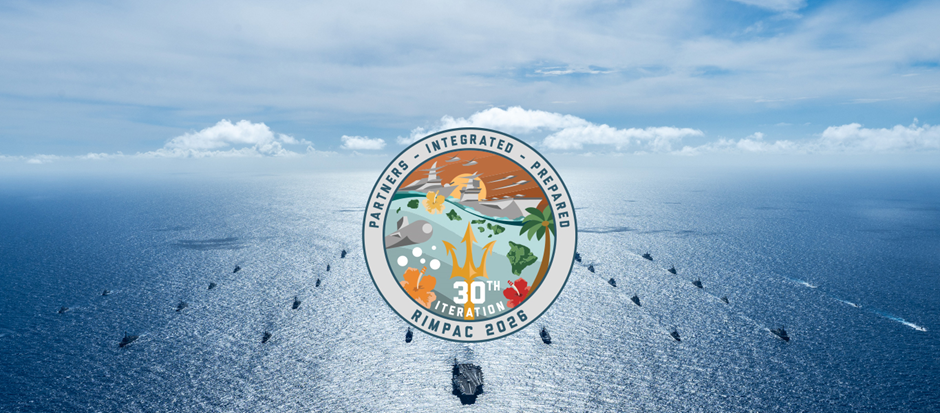
Key Facts: RIMPAC 2026
- Host Authority: United States Navy’s Pacific Fleet.
- Schedule: June 24 to July 31, 2026.
- Theme: “Partners: Integrated and Prepared” — emphasizing multinational cooperation, interoperability, and collective readiness.
- Scale of the Exercise: Involves 30 nations, more than 40 surface ships, 5 submarines, over 140 aircraft, 15 national land forces, and over 25,000 military personnel.
- Operational Scope: The drill encompasses complex operations such as anti-submarine warfare (ASW), air defense, live-fire gunnery, amphibious assaults, mine clearance, and humanitarian assistance and disaster response (HADR).
- Historical Background: First conducted in 1971, RIMPAC has evolved into the premier training platform for allied and partner navies.
India’s Strategic Participation
- Naval Assets Deployed: The Indian Navy has deployed its indigenous multi-role stealth frigate, INS Shivalik, alongside the P-8I Poseidon long-range maritime reconnaissance and anti-submarine warfare aircraft.
- Leadership Role: In a significant milestone for 2026, the Indian Navy is serving as the Deputy Commander Task Force for Theatre-level Anti-Submarine Warfare, marking its first time discharging this crucial command role.
- Evolution of Engagement: India’s engagement with RIMPAC began in 2014, and its continuous participation underscores a growing prominence in global maritime security architectures.
- Significance: Participation enhances the Indian Navy’s Maritime Domain Awareness (MDA) and interoperability with foreign navies, directly contributing to sea-lane security and regional stability against emerging geopolitical challenges.
Conclusion
Exercise RIMPAC 2026 strengthens naval interoperability and strategic alignment between partner nations like India and Canada. Ultimately, it serves as a vital instrument of maritime diplomacy to ensure a free, open, and rules-based Indo-Pacific.