
Important for UPSC Prelims: Economy
About Forex (Foreign Exchange)?
- Foreign Exchange (Forex) refers to the exchange of one country’s currency for another. It also includes all transactions involving the buying, selling, and conversion of foreign currencies.
- For example, when Indian importers pay in US Dollars (USD) or exporters receive payments in Euros (EUR), they are dealing in the foreign exchange market.
What is a Forex Swap?
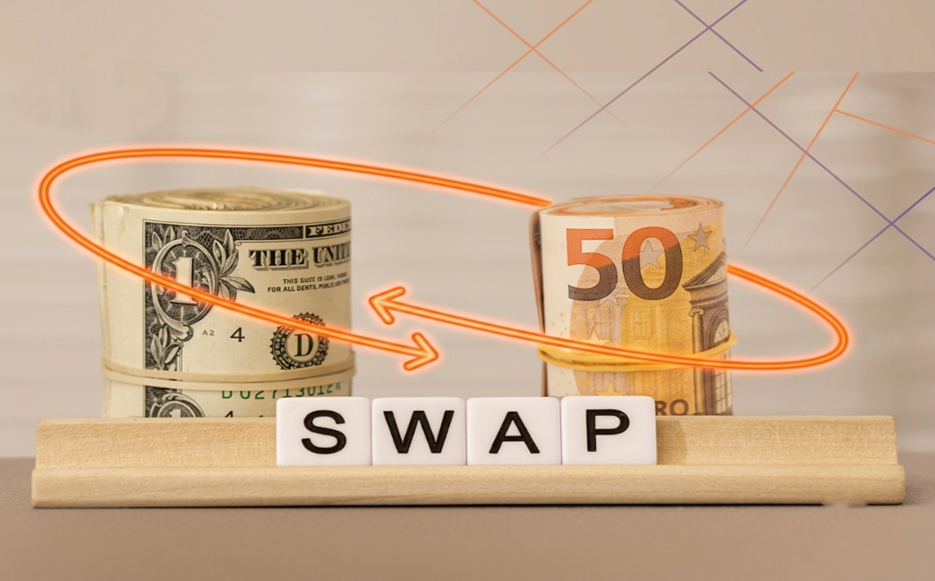
- A Foreign Exchange (Forex) Swap is an agreement in which two parties exchange one currency for another and agree to reverse the transaction on a future date at a pre-determined exchange rate. In simple terms, it is a temporary exchange of currencies, not a permanent purchase or sale.
- The Reserve Bank of India (RBI) uses forex swaps as a tool to manage foreign exchange reserves, regulate rupee liquidity in the banking system, and maintain stability in the foreign exchange market.
How Does a Forex Swap Work?
A forex swap consists of two linked transactions:
- Near Leg (Spot Transaction): The initial exchange of currencies takes place at the prevailing exchange rate.
- Far Leg (Forward Transaction): The same currencies are exchanged back on a future date at a pre-agreed exchange rate.
Thus, the currency is first exchanged and later exchanged back, making a forex swap different from an outright purchase or sale of foreign currency.
Types of Forex Swaps Used by RBI
1. Buy-Sell Swap
- RBI buys foreign currency (usually US Dollars) from banks and provides them with Indian Rupees.
- On the agreed maturity date, RBI sells the same foreign currency back to the banks.
- Purpose: To inject rupee liquidity into the banking system, augment forex reserves, and manage excessive appreciation of the rupee.
2. Sell-Buy Swap
- RBI sells foreign currency to banks and receives Indian Rupees.
- On maturity, RBI buys back the foreign currency.
- Purpose: To absorb excess rupee liquidity from the banking system and support exchange rate stability.
Conclusion
Forex swaps help the RBI balance liquidity, exchange rate stability, and forex reserve management, making them a key instrument of India’s external sector and monetary operations.