
Important for UPSC Prelims – Geography, Environment & Disaster Management
About Glacial Lake Outburst Flood (GLOF)
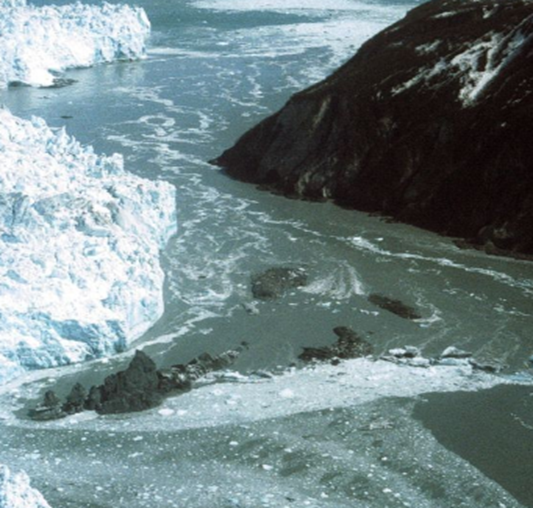
- A Glacial Lake Outburst Flood (GLOF) is the sudden release of large volumes of water from a glacial lake due to the failure of its natural dam, causing devastating floods downstream.
- GLOFs are becoming more frequent due to climate change, rapid glacier retreat, and the expansion of glacial lakes in the Himalayas.
How does a GLOF occur? (Formation Process)
1. Formation of Glacial Lakes
- Rising temperatures cause glaciers to retreat, leaving behind depressions that fill with meltwater, forming glacial lakes.
2. Weakening of Natural Dams
- These lakes are often dammed by unstable moraine (rock and debris), ice, or sediment, making them vulnerable to failure.
3. Triggering Factors
- Heavy rainfall, earthquakes, avalanches, landslides, ice collapse, or excessive water pressure can breach the natural dam.
4. Sudden Flood Release
- The breach releases massive volumes of water, debris, and sediments, resulting in flash floods and widespread downstream destruction.
Important Examples
1. South Lhonak GLOF, Sikkim (2023)
- Destroyed the Teesta-III Hydropower Project, causing extensive damage and over 100 deaths downstream.
2. Chorabari Lake GLOF, Uttarakhand (2013)
- Contributed to the devastating Kedarnath floods, leading to widespread loss of life and property.
Related Government Initiatives
1. National Disaster Management Authority (NDMA)
- Promotes GLOF risk assessment, early warning systems, and disaster preparedness in Himalayan regions.
2. National Mission for Sustaining the Himalayan Ecosystem (NMSHE)
- Focuses on glacier monitoring, climate resilience, and sustainable mountain development.
3. National Glacial Lake Outburst Flood (GLOF) Monitoring Programme
- Uses remote sensing, satellite imagery, and hazard mapping to identify and monitor vulnerable glacial lakes.
Conclusion
GLOFs are an emerging climate-induced disaster threatening Himalayan ecosystems, infrastructure, and communities. Scientific monitoring, early warning systems, climate-resilient infrastructure, and integrated mountain management are essential to reduce future risks.
| This Concept has been Elaborately Discussed in the following Article: Buried Questions: Tunnel Disaster at Teesta Stage-VI |