
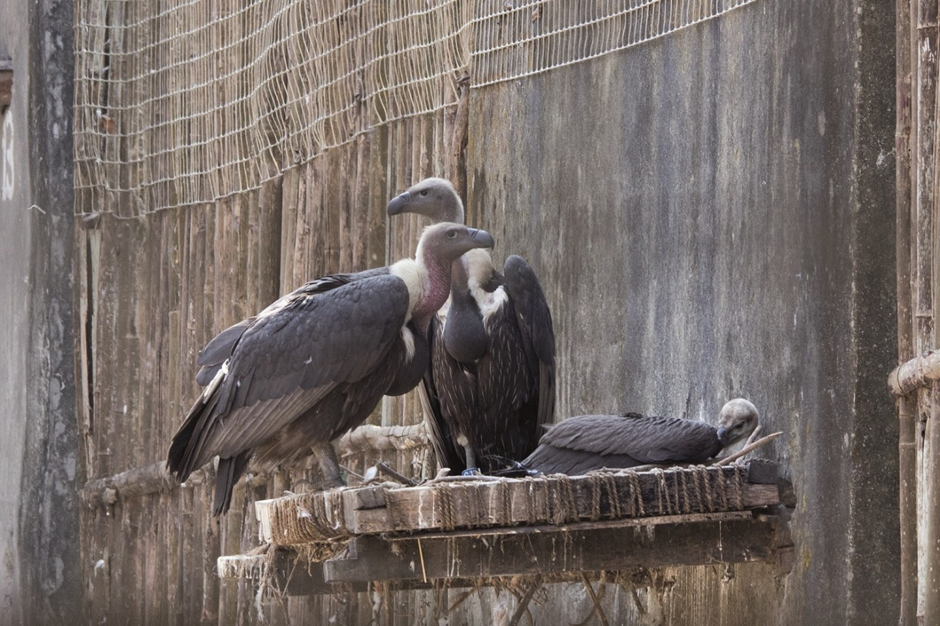
About Vultures:
- They are large scavenging birds of prey that feed exclusively on animal carcasses. They act as nature’s sanitizers by recycling critical nutrients, keeping landscapes clean, and preventing the outbreak of deadly zoonotic diseases.
What is the Current Status of Vultures in India?
- Demographic Collapse: India hosts 9 vulture species, but their population has plummeted by over 95% since the 1990s (down from 40 million).
- Ecological Significance: They are integral to the Central Asian Flyway (CAF), a migratory corridor spanning over 30 countries.
- Public Health Threat: The steep decline in scavengers turns rotting carcasses into hotspots for zoonotic pathogens, significantly increasing the risk of disease spillovers and pandemics.
What are the Primary Threats to their Survival?
- Chemical Poisoning: Ingestion of livestock treated with the anti-inflammatory drug diclofenac causes direct inhibition of uric acid secretion, leading to fatal renal failure in vultures.
- Habitat Degradation: Rapid urbanization, agricultural expansion, and deforestation are systematically destroying crucial nesting sites.
- Infrastructural Hazards: Expanding overhead power lines present a severe risk of lethal electrocution.
- Resource Depletion: Changing cattle disposal methods have drastically reduced the availability of their natural prey base.
What Challenges Impede Effective Conservation?
- Resource Deficits: Current conservation programs suffer from chronic underfunding and fragmentation.
- Policy Gaps: There is limited integration of vulture conservation into broader, multi-disciplinary “One Health” strategies.
- Implementation Failures: Despite existing regulations, the illegal use of toxic veterinary drugs and the expansion of unsafe power infrastructure remain largely unchecked.
What Key Efforts has the Government Undertaken?
- National Action Plan for Vulture Conservation (2020-25): This strategic framework mandates the establishment of 8 Vulture Conservation Breeding Centres (VCBCs) and dedicated Vulture Safe Zones (VSZs) across the country.
- Veterinary Drug Bans: The government prohibited the veterinary use of Diclofenac in 2006, followed by strict bans on Aceclofenac and Ketoprofen in 2023 to eliminate chemical toxicity in the food chain.
Conclusion
Securing the future of India’s vultures requires rigorous enforcement of veterinary drug bans alongside the rapid deployment of avian-safe power infrastructure. Ultimately, integrating these conservation efforts into a broader “One Health” framework is imperative to restore ecological balance and avert future public health crises.
| This concept has been elaborately discussed in the following article: The Changing Paradigm of Vulture Conservation in India |