
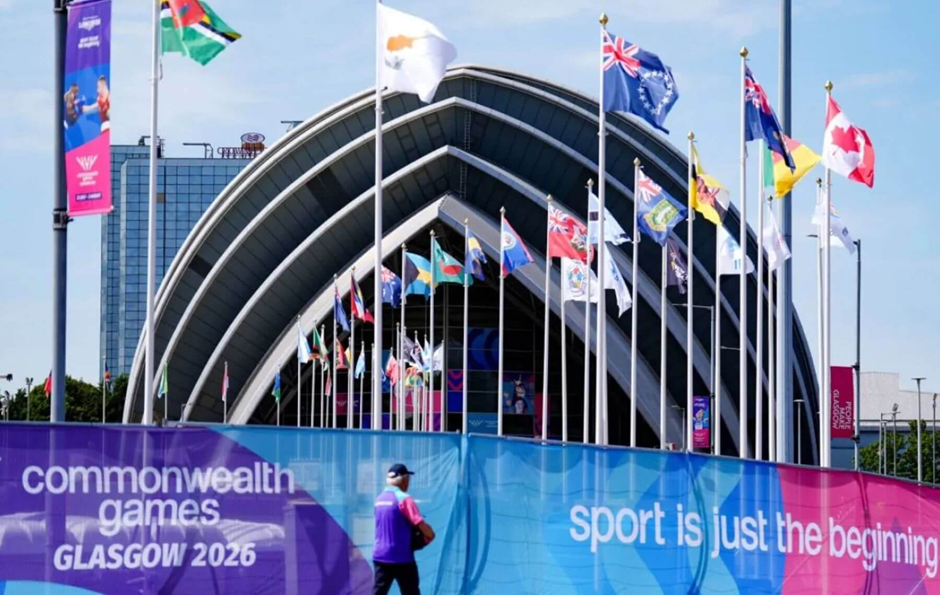
What is the Commonwealth Games?
- It is A multinational, multi-sport event involving athletes from the Commonwealth of Nations.
- Inclusivity: It integrates Para-sports directly into the primary competition schedule, setting global standards for inclusive athletics.
- Significance: Serves as a vital transitional platform for athletes from developing nations and an instrument of soft power and sports diplomacy.
Historical Evolution of the Commonwealth Games
- 1930 (First Edition): The inaugural event was held in Hamilton, Canada, initially known as the British Empire Games.
- 1934 (India’s Debut): India participated for the first time at the second edition held in London.
- 1954 & 1978 (Name Changes): The event evolved into the British Empire and Commonwealth Games in 1954, and formally adopted the title “Commonwealth Games” in 1978.
- 2010 (India as Host): New Delhi hosted the 19th edition, marking the largest multi-sport event hosted by India to date.
- 2026 (Glasgow Edition): Restructured to an 11-day celebration featuring just 10 sports and 6 para-sports across a concentrated four-venue setup (including the Scottish Event Campus and Scotstoun Stadium) to ensure a financially sustainable hosting model.
The Commonwealth Games Federation (CGF)
- Statutory Status: The apex international organization responsible for the direction and control of the Commonwealth Games and Commonwealth Youth Games.
- Headquarters: Located in London, United Kingdom.
- Governance / Leadership: Currently presided over by Chris Jenkins OBE, who was elected with a mandate to transform the Games toward a sustainable model to attract future host cities.
- Core Mandates: It promotes shared values of humanity, equality, and destiny, while driving a strategic “Sport for Development” agenda across its 74 member nations and territories.
India at the Commonwealth Games
- Top Performances: India’s most successful outing was during the 2010 New Delhi Games, followed by consistently strong medal hauls in the 2018 Gold Coast and 2022 Birmingham editions.
- Glasgow 2026 Performance: India finished fourth in the overall medal tally with 39 medals (13 gold, 17 silver, and 9 bronze), demonstrating athletic resilience despite the exclusion of several traditional medal-winning disciplines.
- Key Contributing Disciplines: India traditionally dominates in disciplines such as Shooting, Weightlifting, Wrestling, and Boxing.
Conclusion
- The Commonwealth Games remain a vital institutional platform for multilateral sports diplomacy and athletic development across member nations. However, securing its long-term survival necessitates an urgent transition toward economically sustainable, decentralized hosting models.
| This Concept has been Elaborately Discussed in the following Article: The Doping Conundrum: Reconciling India’s Global Sporting Ambitions with Institutional Integrity |