
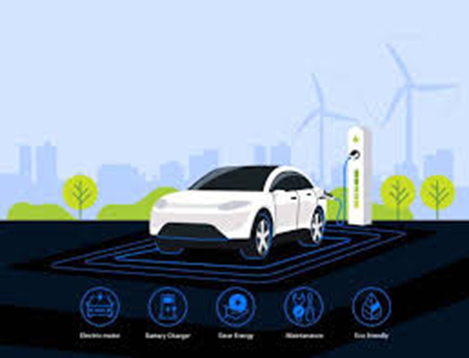
About the PM E-DRIVE Scheme
- The PM Electric Drive Revolution in Innovative Vehicle Enhancement (PM E-DRIVE) Scheme is a Ministry of Heavy Industries scheme approved in September 2024 and operational from 1 October 2024. It succeeds FAME and subsumes EMPS-2024 to promote EV adoption, charging infrastructure and domestic EV manufacturing.
Core Features & Strategic Shift
- Commercial Focus: Unlike FAME-II, excludes private electric four-wheelers (passenger cars); funds go to public transit, commercial fleets and utility vehicles.
- Aadhaar-Authenticated e-Vouchers: Generated on the PM E-DRIVE portal at the point of sale; the buyer gets an upfront discount and the OEM claims reimbursement directly from MHI.
- Localisation Condition: Incentives require OEMs to meet domestic value addition for traction motors, drive trains, battery management systems and power electronics under MHI’s Phased Manufacturing Programme (PMP).
- Scrapping Condition for e-Trucks: Buyers must furnish a scrapping certificate for an old ICE truck from a MoRTH-approved Registered Vehicle Scrapping Facility (RVSF).
EV Public Charging Infrastructure
- Subsidy Support: The ₹2,000 crore component provides up to 80% subsidy on upstream (behind-the-meter) power infrastructure to lower costs for Charge Point Operators (CPOs).
- Targets: 72,300 fast chargers in all —
- 48,400 for e-2Ws and e-3Ws (LECCS/LEVDC standards).
- 22,100 for e-4Ws (CCS-II standard).
- 1,800 high-capacity chargers for e-buses and e-trucks along highway freight corridors.
Conclusion
The PM E-DRIVE Scheme of the Ministry of Heavy Industries replaced FAME and absorbed EMPS-2024, directing a fund-limited outlay of ₹11,900 crore (till 31 March 2028) at e-buses, e-2Ws, e-3Ws, e-trucks, e-ambulances, public fast chargers and testing infrastructure. Its distinguishing features are the exclusion of private e-cars, Aadhaar-authenticated e-vouchers and localisation-linked incentives, supporting India’s Net Zero by 2070 target.
| This concept has been elaborately discussed in the following article — PM E-DRIVE Scheme |