
Introduction (WHAT IS?)
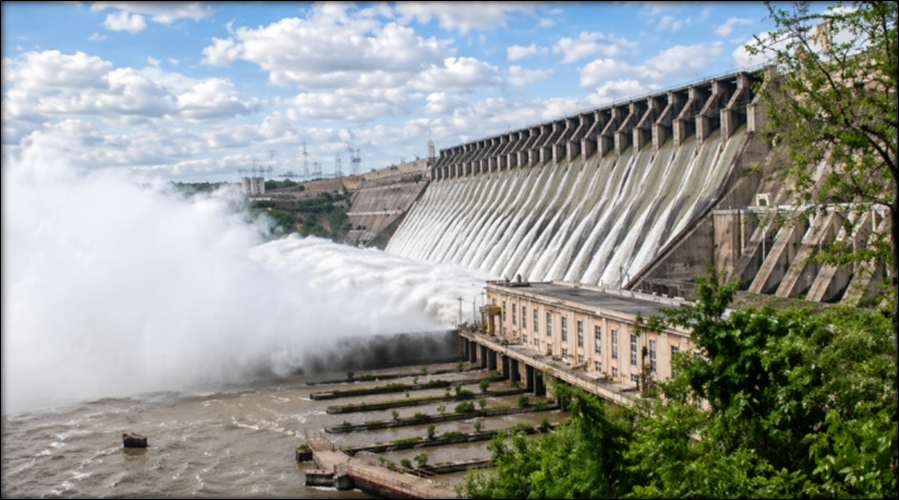
The Lower Arun Hydroelectric Project is a 669 MW hydropower project being developed by India in Nepal on the Arun River. It is an important example of India–Nepal cooperation in the energy sector.
Key Features of the Project
1. Location: The project is located in the Sankhuwasabha and Bhojpur districts of eastern Nepal on the Arun River.
2. Indian Developer: It is being developed by SJVN Limited, a Government of India-owned power company, through its subsidiary, SJVN Lower Arun Power Development Company.
3. Connection with Arun-3 Project: It is a downstream extension of the 900 MW Arun-3 Hydroelectric Project. It will use water released from the Arun-3 power station to generate additional electricity.
4. Power Generation: The project has an installed capacity of 669 MW and is expected to generate around 2,901 million units (MU) of electricity annually.
5. Development Model: The project is being developed under the Build, Own, Operate and Transfer (BOOT) model. It will be transferred to the Government of Nepal after the agreed project period.
6. Benefits to Nepal:
- Nepal will receive 21% of the electricity generated free of cost.
- The project will provide royalty and other financial benefits to Nepal.
- It will create employment opportunities and improve local infrastructure.
7. Recent Development (November 2026): The Prime Ministers of India and Nepal jointly laid the foundation stone of the project on 23 November 2026, marking an important step towards its construction.
Conclusion
The Lower Arun Hydroelectric Project is an important pillar of India–Nepal energy cooperation. Its successful implementation can strengthen bilateral relations and promote regional energy security.
| This Concept has been discussed in the following article: India–Nepal Relations: Beyond Generosity – Building a Relationship Based on Mutual Trust |