
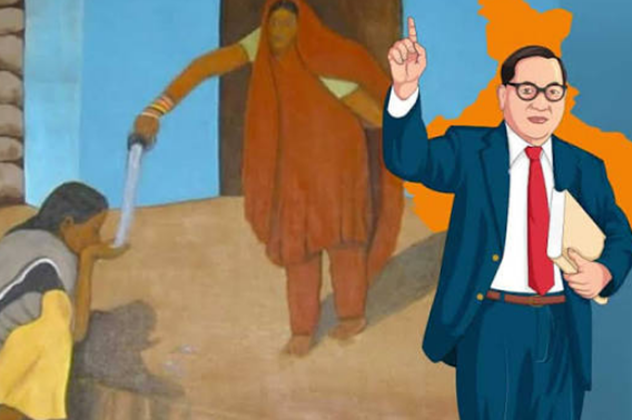
Article 17 (What is it?)
- Article 17 abolishes untouchability and forbids its practice in any form.
- It is a Fundamental Right under Part III of the Constitution.
- The Constitution does not define “untouchability”; its scope has evolved through legislation and judicial interpretation.
- It aims to eliminate caste-based social exclusion, disabilities and humiliation.
- Parliament can prescribe punishment for enforcing disabilities arising from untouchability.
Key Features
1. Absolute Prohibition:
Article 17 prohibits untouchability in all forms, including traditional and emerging manifestations. No practice can be justified merely on the basis of custom or tradition.
2. Fundamental Right:
Article 17 is a Fundamental Right under Part III of the Constitution. It embodies the constitutional commitment to social equality and dignity.
3. Caste-Based Exclusion:
It addresses disabilities arising from caste-based notions of purity and pollution. It seeks to eliminate practices that treat certain persons as socially inferior or impure.
4. Enforceable by Law:
Parliament can prescribe punishment for enforcing disabilities arising from untouchability. The Protection of Civil Rights Act, 1955 provides the statutory framework for enforcement.
5. Social Transformation:
Article 17 aims beyond formal equality to dismantle caste hierarchy and social humiliation. Its ultimate goal is equal social status, dignity and fraternity.
Conclusion
Article 17 transforms the constitutional promise of equality into a direct prohibition of caste-based untouchability, making social dignity an enforceable constitutional value.
| This Concept has been Elaborately Discussed in the following Article: Untouchability and the Idea of ‘Purity and Pollution’ |