
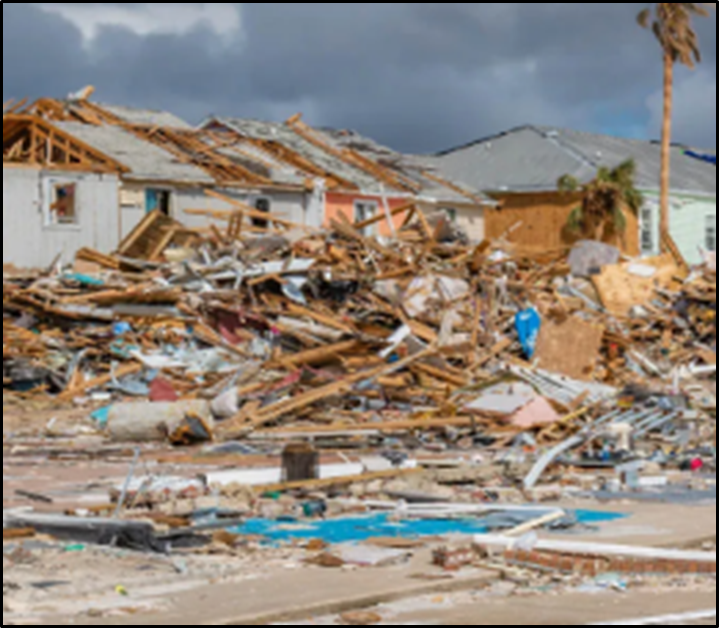
Sendai Framework (What is it?)
- The Sendai Framework for Disaster Risk Reduction (2015–2030) is a global framework for reducing disaster risk and vulnerability.
- It was adopted in 2015 at Sendai, Japan, during the Third UN World Conference on Disaster Risk Reduction.
- It succeeded the Hyogo Framework for Action (2005–2015).
- Its central objective is to prevent new disaster risks and reduce existing risks through resilient development.
Four Priorities of Sendai Framework
1. Understanding Disaster Risk
Countries should strengthen knowledge of hazards, exposure, vulnerability and capacity through scientific research, data and risk assessment.
Example: Mapping flood-prone areas and identifying vulnerable communities.
2. Strengthening Disaster Risk Governance
Governments should develop strong institutions, policies, laws and coordination mechanisms for disaster-risk reduction.
Example: Integrating disaster-risk reduction into development planning.
3. Investing in Disaster Risk Reduction
Greater investment should be made in prevention, mitigation and disaster-resilient infrastructure.
Example: Earthquake-resistant buildings and cyclone shelters.
4. Enhancing Preparedness & Build Back Better
Countries should improve preparedness for effective response and ensure that post-disaster reconstruction creates safer and more resilient communities.
Example: Rebuilding damaged infrastructure according to disaster-resilient standards.
7 Global Targets of Sendai Framework
| Target | Focus |
| A | Reduce disaster mortality |
| B | Reduce number of affected people |
| C | Reduce economic disaster losses |
| D | Reduce damage to critical infrastructure |
| E | Increase national and local DRR strategies |
| F | Enhance international cooperation |
| G | Increase availability of multi-hazard early-warning systems |
Conclusion
The Sendai Framework marks a fundamental shift from “managing disasters” to “managing disaster risk”, making prevention, resilience, preparedness and risk-informed development central to sustainable development.
| This Concept has been Elaborately Discussed in the following Article: DANGER FROM ABOVE: RISING HIMALAYAN DISASTER RISK |