
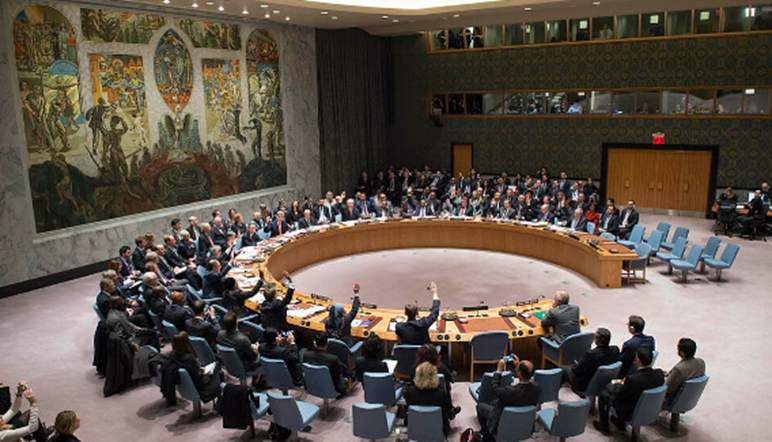
UNSC Resolution 2593 (What is it?)
- UN Security Council Resolution 2593 was adopted on 30 August 2021 following the Taliban’s takeover of Afghanistan.
- It was adopted at the 8848th meeting of the UN Security Council.
- It addressed the security and humanitarian situation in Afghanistan.
- The resolution particularly emphasised that Afghan territory must not be used to threaten or attack any country.
Key Focus Areas of Resolution 2593
1. Counter-Terrorism: Afghan territory must not be used for terrorist activities, attacks, recruitment, training, financing or support.
2. Inclusive Political Settlement: Calls for an inclusive political process representing Afghanistan’s diverse population.
3. Human Rights; Emphasises protection of human rights and fundamental freedoms, particularly for women, children and minorities.
4. Humanitarian Assistance: Supports continued humanitarian assistance to the Afghan people without discrimination.
5. Safe Passage: Calls for safe and orderly departure of those wishing to leave Afghanistan.
Why is UNSC Resolution 2593 Important?
1. International Security: It establishes a clear international expectation that Afghan territory should not become a source of terrorism against other states.
2. Human Rights Framework: It connects Afghanistan’s political future with human rights and fundamental freedoms.
3. Inclusive Governance; It highlights the importance of a political settlement involving Afghanistan’s diverse social groups.
4. Humanitarian Dimension: It reinforces the international community’s responsibility towards the Afghan population, irrespective of political developments.
5. Relevance for India
The resolution matters to India as Afghanistan’s security impacts terrorism, regional stability, cross-border security and access to Central Asia.
Conclusion
UNSC Resolution 2593 provides an important international framework for addressing Afghanistan through the twin concerns of security and human welfare—preventing terrorism while supporting an inclusive, rights-respecting and stable Afghanistan.
| This Concept has been Elaborately Discussed in the following Article: Afghanistan under Taliban 2.0: Five Years On |