
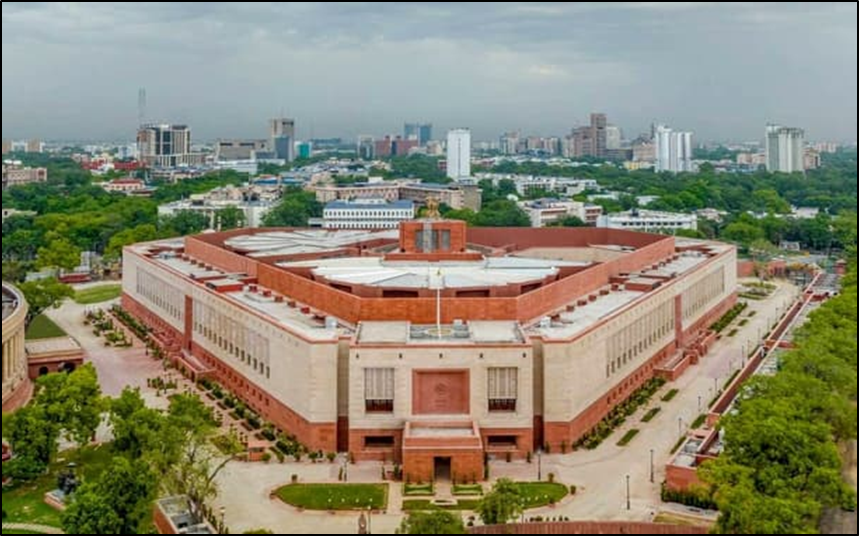
About DRCs
- Department-Related Standing Committees (DRSCs) are permanent parliamentary committees constituted under the Rules of Procedure and Conduct of Business of Lok Sabha and Rajya Sabha to examine the functioning of specific Union ministries and departments in detail.
What Do These Committees Do?
- DRSCs strengthen Parliamentary oversight over the Executive by providing detailed, cross-party scrutiny of government policies, expenditure and legislation, which may not be possible during regular parliamentary proceedings.
- They examine the Demands for Grants of the ministries/departments concerned and submit reports to Parliament.
- They scrutinise Bills referred to them by the Speaker of Lok Sabha or the Chairman of Rajya Sabha and may seek views from experts and stakeholders.
- They examine the Annual Reports of ministries/departments and consider national policy documents presented to Parliament.
Thus, DRSCs function as an important link between Parliament and the Executive, promoting transparency, accountability and informed legislative decision-making
Who Joins These Committees and How?
- Total Strength: 24 DRSCs in total (16 function under Lok Sabha and 8 under Rajya Sabha).
- Member Allocation: Each DRSC consists of 31 members (21 from Lok Sabha and 10 from Rajya Sabha).
- Mode of Selection: Members are nominated by the Speaker of Lok Sabha and the Chairman of Rajya Sabha from amongst their respective Houses.
- No Ministers Allowed: A Union Minister cannot be a member. If a sitting committee member becomes a Minister, they must give up their committee seat.
- Tenure: 1 year (committees are reconstituted annually).
Limitations for DRSCs
- Advisory Power: Recommendations made by DRSCs are advisory in nature and not legally binding on the Government or Parliament.
- No Cut Motions: DRSCs cannot suggest formal “cut motions” while examining Demands for Grants.
- No Day-to-Day Interference: Committees are restricted from investigating day-to-day administrative matters or issues handled by specialized statutory bodies.
Conclusion
DRSCs act as Parliament’s core mechanism for executive oversight, ensuring cross-party scrutiny of spending and legislation away from floor politics. Even though their recommendations are strictly advisory, active referral of bills and rigorous budget checks remain crucial for maintaining democratic accountability and sound governance.
| This concept has been discussed elaborately in the following article: Parliamentary Panel Flags ‘Punitive’ Direct Tax Regime & Issues in Income Tax Implementation |