
About Reactive Oxygen Species
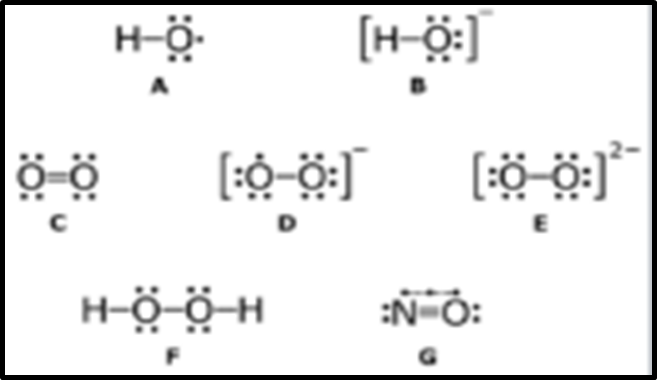
- Reactive Oxygen Species (ROS) are highly reactive and unstable forms of oxygen that are produced from molecular oxygen (O₂). They can easily react with or damage other molecules.
- ROS are mainly of two types: free radicals, which have one or more unpaired electrons, and non-radical species, which do not have unpaired electrons but can still be highly reactive.
Major Types of ROS
- Superoxide Anion (O₂•⁻): Formed by one-electron reduction of oxygen; converted into H₂O₂ spontaneously or by SOD.
- Hydrogen Peroxide (H₂O₂): A relatively stable, non-radical ROS that can cross membranes and acts as an important signalling molecule.
- Hydroxyl Radical (HO•): The most reactive ROS, formed from H₂O₂ in the presence of iron/copper via Fenton reactions, causing major cellular damage.
- Singlet Oxygen (¹O₂): An excited form of oxygen produced by UV/light exposure, including during photosynthesis.
- Peroxyl (ROO•) & Alkoxyl (RO•) Radicals: Highly reactive radicals formed during lipid peroxidation of polyunsaturated fatty acids.
How ROS Are Generated
- Endogenous Sources: Produced passively as by-products of the electron transport chains in mitochondria (respiration) and chloroplasts (photosynthesis), plus peroxisomes and the endoplasmic reticulum; cells also actively generate ROS for signalling using enzymes such as NADPH oxidases (RBOHs in plants).
- Exogenous Sources: Environmental exposure — UV radiation, ionizing radiation, air pollution (fine particulate matter PM2.5), tobacco smoke, pathogen infections, and environmental toxins — accelerates ROS production.
The Dual Role of ROS: Friend and Foe
- Physiological Signaling (Eustress): At low to moderate concentrations, ROS act as secondary messengers regulating cell communication, growth, development, immune responses, and hormesis-based stress-adaptation.
- Oxidative Stress (Distress): When ROS production overwhelms antioxidant defences, excess ROS non-specifically damage lipids, proteins, and nucleic acids, potentially triggering apoptosis, autophagy, necroptosis, or ferroptosis.
Antioxidant Defense Systems
- Enzymatic Antioxidants: Include Superoxide Dismutase (SOD), Catalase (CAT), and Ascorbate Peroxidase (APX)/Glutathione Peroxidase (GPX), which break down ROS into water and oxygen.
- Non-enzymatic Antioxidants: Low-molecular-mass compounds that directly scavenge radicals, including Vitamin C, Vitamin E, reduced glutathione (GSH), carotenoids, and flavonoids.
Conclusion
Reactive Oxygen Species (ROS) are highly reactive oxygen-derived molecules produced by metabolism and environmental exposure. At low levels, they aid cell signalling; at high levels, they cause oxidative damage to lipids, proteins and DNA.
Antioxidants such as SOD, CAT, GPX, and Vitamins C & E maintain this balance, which is also exploited in ROS-responsive prodrugs.
| This concept has been elaborately discussed in the following article – India’s Smart Cancer Drug That Activates Only Inside Tumour Cells |