
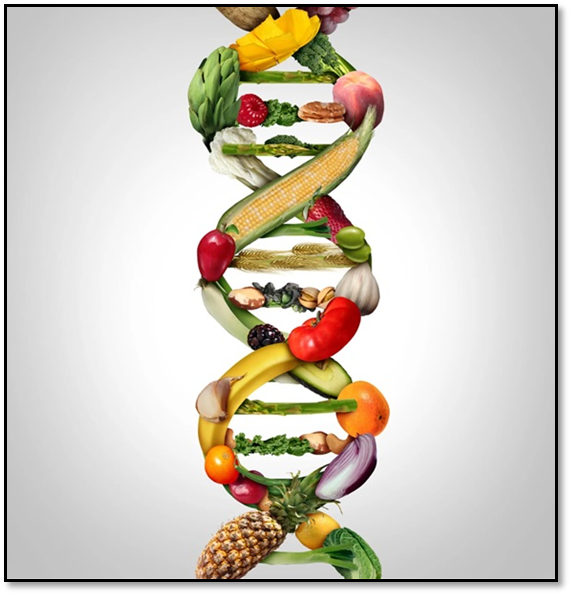
About GM Crops
- Genetically Modified (GM) crops have their genetic material altered using genetic engineering to introduce desirable traits.
- Traits include insect resistance, herbicide tolerance, disease resistance, drought tolerance and nutritional enhancement.
- GM crops is different from hybrid crops; GM involves direct genetic modification.
Major GM Crops/Technologies in India
| Crop | Key point |
| Bt Cotton | Only GM crop commercially cultivated in India |
| Bt Brinjal | GEAC-approved earlier, but commercial cultivation was not permitted following the moratorium |
| GM Mustard (DMH-11) | GEAC recommended environmental release in 2022; important controversy surrounding GM food crops |
| GM Rice | Research/field trials |
| GM Maize | Research/field trials |
| GM Pigeon Pea | Research/field trials |
| GM Chickpea etc. | Research and development |
Regulation in India
- Environment (Protection) Act, 1986 → legal basis.
- Rules, 1989 → regulate genetically engineered organisms.
- Key bodies:
- IBSC: Institutional-level biosafety monitoring.
- RCGM: Reviews and monitors genetic engineering research.
- GEAC: Appraises environmental release of GM organisms; functions under MoEFCC.
GM vs Gene Editing
- GM: May introduce foreign genetic material.
- Gene editing: Makes targeted changes in existing DNA using tools such as CRISPR.
Conclusion
- GM crops offer significant potential for improving productivity, pest resistance and food security, but their environmental, health and socio-economic implications require rigorous biosafety assessment and effective regulation.
| This concept has been elaborately discussed in the following article: Indigenous Popcorn Maize Hybrid: A Step Towards Agricultural Self-Reliance |