
About
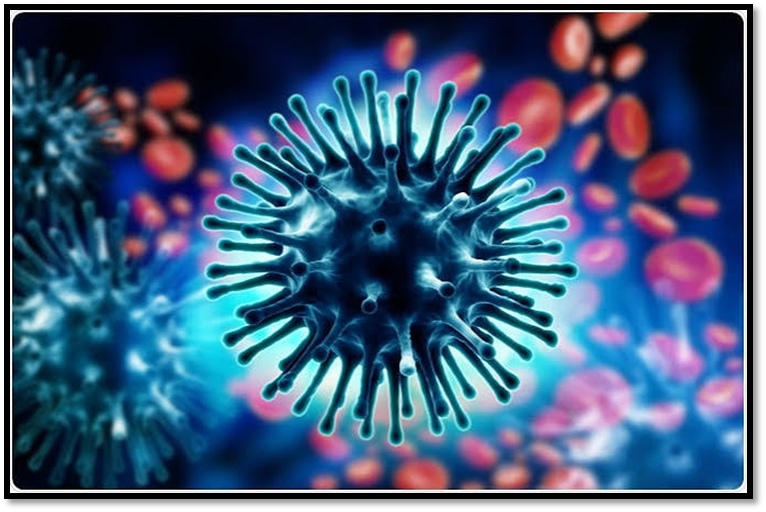
- H1N1 is a subtype of Influenza A virus that can cause respiratory illness in humans.
- The virus is commonly associated with influenza (flu) and can range from mild to severe respiratory disease.
- H1N1 is an RNA virus belonging to the Orthomyxoviridae family.
Why is it Called H1N1?
- The name H1N1 is based on two surface proteins present on the virus: Haemagglutinin (H) and Neuraminidase (N).
- H1 refers to the type of haemagglutinin, while N1 refers to the type of neuraminidase.
- These surface proteins are important for viral entry, replication and spread.
2009 H1N1 Pandemic
- A novel H1N1 influenza virus emerged in 2009 and caused a global influenza pandemic.
- The 2009 pandemic virus contained genetic material derived from human, avian and swine influenza viruses.
- It was initially popularly called “swine flu”, although the pandemic virus was not simply a virus transmitted directly from pigs.
Transmission
- H1N1 primarily spreads through respiratory droplets and aerosols released when an infected person coughs, sneezes or talks.
- Transmission can also occur through contaminated hands or surfaces followed by touching the nose, mouth or eyes.
- It can spread from person to person.
Major Symptoms
- Common symptoms include fever, cough, sore throat, headache, body aches, fatigue and runny or stuffy nose.
- Severe infection can lead to pneumonia and respiratory complications, particularly in vulnerable individuals.
H1N1 and Pigs
- Pigs can be infected with influenza A viruses, including viruses of different genetic origins.
- Pigs can sometimes become infected with more than one influenza virus, allowing genetic reassortment to occur.
- This makes swine populations important in the ecology and evolution of influenza viruses.
Conclusion
H1N1 is an Influenza A virus subtype whose pandemic potential is linked to its ability to undergo genetic changes, including reassortment, making influenza surveillance and preparedness important.
| This concept has been elaborately discussed in the following article: H1N1 Alert: Why ICMR Says There Is No Cause for Panic |