
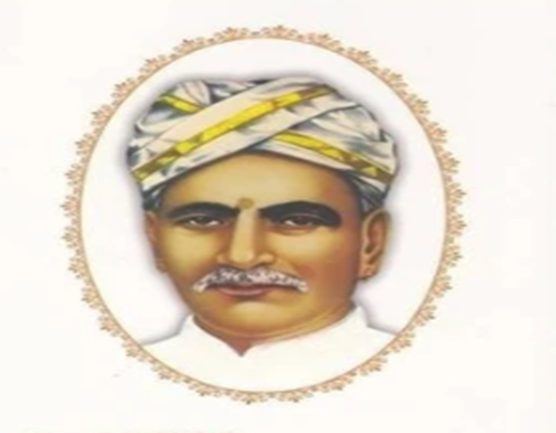
About Mahatma Ayyankali
Mahatma Ayyankali (1863–1941) was a visionary social reformer from Travancore who relentlessly fought for the civil rights, education, and freedom of movement of Kerala’s marginalized Dalit communities.
Born into the Pulayar community, he became a legendary voice for the oppressed and broke historic barriers by serving for 28 years as the first lower-caste member of the Sree Moolam Popular Assembly.
Struggle for Civil and Educational Rights
- Villuvandi Samaram (1893): Ayyankali rode a bullock cart through the public roads of Venganoor dressed in attire legally restricted to upper castes, directly defying Travancore’s caste-based restrictions on public movement.
- Chaliyar Riots (1898): Led a march asserting the right of untouchables to enter the public market at Nedumangad, triggering violent upper-caste retaliation.
- Outcome: By 1900, Travancore officially guaranteed marginalised communities access to most public roads (excluding those leading to temples).
- First Agricultural Strike (1907–1909): After a school he opened for Pulaya children in 1904 was burned down, Ayyankali organised Kerala’s first agricultural labour strike, forcing the Travancore government to issue a 1907 royal decree admitting Dalit children to public schools, fully implemented by 1910.
- Ooruttambalam Riots (1915): Violent clashes broke out when Ayyankali escorted a Dalit girl, Panchami, into a school, exposing continued resistance to physical school admission despite legal victories.
Dalit Women’s Rights: The Kallumala Samaram
- Kallumala Samaram / Perinad Mutiny (December 1915): Ayyankali called on Dalit women, forced to wear coarse stone-and-wood necklaces (kallumala) as caste markers, to cast them off and assert the right to wear proper ornaments and cover their upper bodies.
- Outcome: The agitation compelled the Maharaja of Travancore to issue a 1916 proclamation granting all women the right to wear upper-body garments.
Institutional Reform: SJPS and Community Courts
- Sadhu Jana Paripalana Sangham (SJPS), founded 1907: Unified marginalised groups, secured a six-day work week with Sunday as a holiday, and established schools and land holdings across Travancore.
- Samudaya Kodathi (Community Courts): A parallel judicial system headquartered in Venganoor, with its own advocates, judges, and clerks, created because Dalits faced discrimination in mainstream courts; Ayyankali sat as supreme appellate judge.
- Ayyankalipada: A youth wing under the SJPS formed to protect the community’s physical safety and self-respect.
Legacy and National Recognition
- Mahatma Gandhi, visiting Ayyankali at Venganoor in 1937, called him “Pulayaraja” (King of the Pulayas).
- Former Prime Minister Indira Gandhi described him as a “great son of India” and unveiled his bronze statue in Thiruvananthapuram in 1980.
- In 2019, the Government of Kerala renamed the historic Victoria Jubilee Town Hall in Thiruvananthapuram as the “Mahatma Ayyankali Hall.”
Conclusion
Ayyankali’s decades-long struggle for freedom of movement, education, labour rights and Dalit women’s dignity brought concrete reforms in Travancore.
Through SJPS, Samudaya Kodathi and Sree Moolam Popular Assembly, he pioneered both grassroots mobilisation and institutional reform.
| This concept has been elaborately discussed in the following article – Prime Minister Pays Homage to Mahatma Ayyankali On Birth Anniversary |