
Important for GS Prelims- Modern Indian History
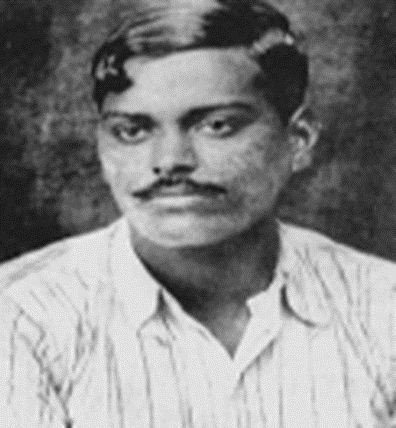
About Chandra Shekhar Azad
- Revolutionary leader of the Hindustan Socialist Republican Association (HSRA); served as its Commander-in-Chief of the military wing.
- Born Chandra Shekhar Tiwari; earned the name “Azad” (Free) after defying a British magistrate at age 15.
- He was a link figure between the Hindustan Republican Association (HRA) (post-Kakori survivor) and its reorganized successor, the HSRA.
Important Facts on Chandrasekhar Azad
| Born | July 23, 1906, village Bhabhra (now Alirajpur district, Madhya Pradesh) |
| Death | February 27, 1931, Alfred Park, Allahabad, at age 24 (shot himself with last bullet) |
| Personal weapon | Mauser pistol named “Bamtul Bukhara“ |
| Organizational role | Commander-in-Chief, HSRA military wing |
| Cover name (Bundelkhand) | “Harishankar“ |
About Revolutionary activities of Azad
- Trained fellow revolutionaries in firearms and marksmanship.
- Azad ran operational bases in Bundelkhand (Orchha forests), sheltered by the Rajas of Datiya and Khaniadhana.
- J.P. Saunders was assassinated on December 17, 1928 by Bhagat Singh, Azad, and Rajguru as retaliation for the death of Lala Lajpat Rai, who was fatally injured during a lathi charge while leading a peaceful protest against the Simon Commission on October 30, 1928.
- Co-founder/reorganizer of HSRA at Feroz Shah Kotla, Delhi (September 9–10, 1928), shifting the movement’s stated objective to socialism.
- Fought a 30-minute gun battle against 40+ policemen at Alfred Park (February 27, 1931), killing three policemen.
Azad’s Contribution in Indian freedom movement
- HRA (Hindustan Republican Association): founded October 1924, Kanpur by Sachindranath Sanyal, Jogesh Chandra Chatterjee, Ram Prasad Bismil;
- HSRA (Hindustan Socialist Republican Association): HRA’s 1928 reorganization at Feroz Shah Kotla; added socialism as explicit goal. MCQ trap: HRA (1924, no “Socialist” in name, republican-federal goal) vs HSRA (1928, adds “Socialist,” Marxist-inflected goal) — do not confuse founding years or objectives.
- Naujawan Bharat Sabha (founded 1926 by Bhagat Singh, Punjab) and Lahore Students’ Union — youth/mass-mobilization wings distinct from HSRA’s armed wing.
- Bengal revolutionary stream (separate from HRA/HSRA)
- Assembly Bombing (April 8, 1929): executed by Bhagat Singh and Batukeshwar Dutt, an HSRA action distinct from the Saunders assassination.
- Post-decline, surviving revolutionaries joined Communist Party of India (CPI), Congress Socialist Party (CSP), Revolutionary Socialist Party (RSP), or the Gandhian Congress.
Conclusion
Chandra Shekhar Azad was the Commander-in-Chief of the HSRA, the sole senior HRA leader to survive the Kakori crackdown, and died fighting police at Alfred Park, Allahabad on February 27, 1931. His career bridges the HRA (1924) and HSRA (1928) phases of India’s armed revolutionary movement. Recently PM Modi paid homage on his birth anniversary
| This concept has been elaborately discussed in the following article Prime Minister Pays Tributes on The Birth Anniversaries of Lokmanya Tilak & Chandra Shekhar Azad |