
Important for UPSC Prelims: Science & Technology
About Pellet Guns?
- A pellet gun is a less-lethal (non-lethal) weapon designed for crowd control and riot management.
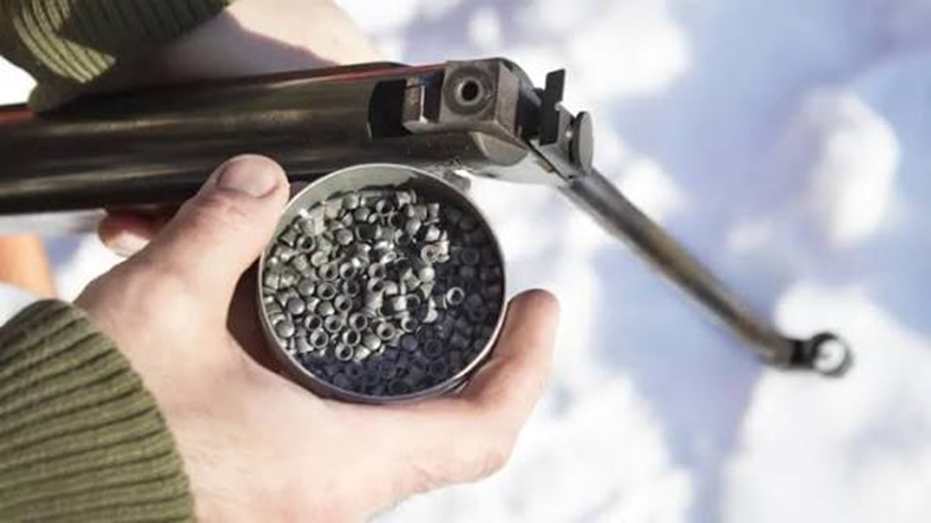
- It fires multiple small metallic pellets simultaneously through a shotgun cartridge.
- Unlike conventional firearms that fire a single bullet, pellet guns disperse hundreds of pellets over a wide area.
- They are intended to temporarily incapacitate individuals while reducing the need for live ammunition.
How Does a Pellet Gun Work?
- A shotgun cartridge contains numerous small spherical pellets.
- When fired, the cartridge bursts open and the pellets spread in a cone-shaped pattern.
- The spread increases with distance, making the weapon suitable for dispersing crowds rather than targeting a single individual.
- The effectiveness and injury potential depend on factors such as firing distance, pellet material, and impact location.
Key Features
- Multiple Pellet Discharge: Fires hundreds of small pellets in a single shot.
- Wide-Area Coverage: Pellets spread in a cone-shaped pattern, covering a broad area instead of a single target.
- Less-Lethal Weapon: Designed to reduce reliance on live ammunition during crowd-control operations.
- Specialized Launcher: Operated using shotgun-type launchers specifically designed for pellet cartridges.
Why are Pellet Guns Used?
- Used for riot control and dispersal of violent crowds.
- Helps maintain public order during law-and-order situations.
- Serves as a less-lethal option before resorting to live ammunition.
- Forms part of the graduated use of force adopted by security agencies.
Types of Pellets
Depending on operational requirements, pellet cartridges may contain:
- Lead pellets – Traditionally used due to their density.
- Rubber-coated pellets – Intended to reduce injury severity.
- Plastic or composite pellets – Used in some countries as less harmful alternatives.
Conclusion
Pellet guns are less-lethal crowd-control weapons intended to reduce the use of live ammunition. However, concerns over their injury potential have increased the focus on safer alternatives and responsible operational use.