
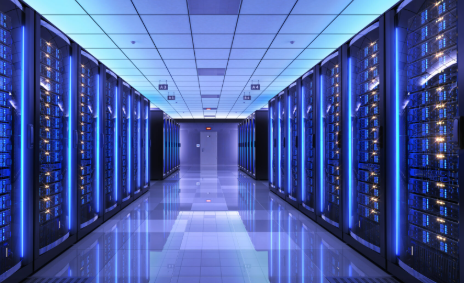
About Data Centres
- A data centre is a specialised facility that houses computing servers, storage systems, networking equipment and associated infrastructure to store, process and manage digital data.
- It provides the technological foundation for cloud computing, online banking, e-governance, digital payments, artificial intelligence and other digital services.
- Data centres require reliable electricity, cooling systems, high-speed connectivity and robust physical and cybersecurity measures.
- They may be operated by government agencies, private companies or specialised service providers.
Key Components of a Data Centre
- Servers: Process data and run applications.
- Storage Systems: Store digital information, databases and files.
- Networking Equipment: Enables communication between servers, users and external networks.
- Cooling Systems: Prevent overheating and maintain suitable operating temperatures.
- Power Infrastructure: Includes uninterrupted power supplies, backup generators and other systems to ensure continuous operation.
- Security Systems: Protect facilities and information against unauthorised access and cyber threats.
Types of Data Centres
- Enterprise Data Centres: Owned and operated by organisations for their own computing requirements.
- Colocation Data Centres: Provide physical space, power, cooling and connectivity for customers’ servers and equipment.
- Hyperscale Data Centres: Large-scale facilities designed to support extensive computing and storage requirements, particularly those of major cloud service providers.
- Cloud Data Centres: Provide computing and storage resources through cloud platforms, often using virtualised infrastructure.
- Edge Data Centres: Smaller facilities located closer to end users or devices to reduce latency and improve response times.
Status of Data Centres in India
- India’s installed data-centre power capacity increased from approximately 375 MW in 2020 to 1.57 GW in August 2026.
- The capacity is projected to reach nearly 8 GW by 2030, reflecting growing demand for digital infrastructure.
- The National Informatics Centre (NIC) has established National Data Centres at Delhi, Pune, Hyderabad and Bhubaneswar, along with smaller data centres in state capitals.
- These facilities support government websites, portals and e-governance applications.
Government Initiatives and Policy Support
1. Infrastructure Status
- Granted in 2022 to data centres with a minimum 5 MW IT load under the Harmonised Master List of Infrastructure.
- Facilitates infrastructure financing and long-term investment.
2. MeghRaj (GI Cloud)
- Government initiative to enhance e-governance delivery through the efficient use of cloud infrastructure.
3. IndiaAI Mission
- Strengthens India’s AI ecosystem and increases demand for AI computing and high-performance computing facilities.
4. Data Centre Evaluation Framework, 2026
- Released by NITI Aayog’s Frontier Tech Hub in October 2026.
- Helps state governments evaluate data-centre proposals using five pillars:
- Power and Energy
- Water and Cooling
- Siting and Environmental Sustainability
- Economic and Strategic Value
- Policy, Governance and Implementation
Significance of Data Centres
- Digital Governance: Support online government services and digital public infrastructure.
- Economic Growth: Attract domestic and foreign investment and create employment opportunities.
- AI Development: Provide computing power and storage required for AI applications and large-scale data processing.
- Cloud Computing: Enable the delivery of computing resources and software services over networks.
- Data Security and Resilience: Well-designed facilities support data protection, backup and disaster recovery.
- Digital Sovereignty: Domestic infrastructure can strengthen India’s capacity to store and process strategically important data within the country.
Challenges Associated with Data Centres
- High Energy Consumption: Servers and cooling systems require substantial and reliable electricity.
- Water Consumption: Some cooling technologies require significant quantities of water.
- Environmental Impact: Dependence on fossil-fuel-based electricity can increase greenhouse gas emissions.
- Land and Infrastructure Requirements: Large facilities require suitable land, power infrastructure and reliable telecommunications connectivity.
- Cybersecurity Risks: Data centres may be targets for cyberattacks and unauthorised access.
- Regional Resource Pressure: Concentrated development may put pressure on local electricity grids and water resources.
Conclusion
Data centres are essential infrastructure for India’s digital economy, supporting e-governance, cloud computing and artificial intelligence. Their sustainable expansion requires reliable energy, efficient cooling, robust cybersecurity and careful location planning.
| This concept has been mentioned in the following article: Cloud Ecosystem in India |