
Context
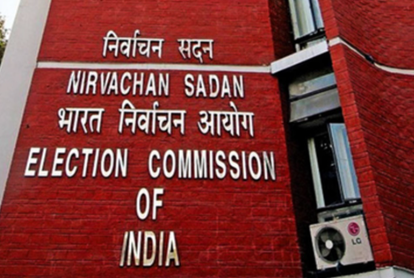
- The Appointments Committee of the Cabinet (ACC) has appointed Prakash Rajpurohit, a 2010-batch IAS officer of the Rajasthan cadre, as Deputy Election Commissioner (DEC) in the Election Commission of India (ECI), with tenure until April 8, 2030.
About Deputy Election Commissioners (DECs)
- Deputy Election Commissioners are senior civil servants who assist the Election Commission of India in managing its administrative and operational responsibilities.
- They typically hold the rank of Joint Secretary (Level 14) or Additional Secretary (Level 15).
- They head functional divisions such as Electoral Rolls, Information Technology, Administration and Law, supporting the three-member Commission comprising the Chief Election Commissioner (CEC) and two Election Commissioners.
Process of Appointment
- Central Staffing Scheme (CSS): Appointments of All India Services officers (IAS, IPS and IFoS) and Central Group ‘A’ officers to DEC-level positions are processed under the Central Staffing Scheme through the Department of Personnel and Training (DoPT).
- Preparation of the Offer List: The Establishment Officer under the DoPT invites nominations of eligible and willing officers from State Chief Secretaries and cadre-controlling authorities to prepare the annual offer list.
- Civil Services Board (CSB): The Board, comprising the Cabinet Secretary, Secretary (Personnel) and Establishment Officer, scrutinises eligible candidates and recommends panels of officers.
- Final Approval: Appointments at the Joint Secretary level and above are approved by the Appointments Committee of the Cabinet (ACC), headed by the Prime Minister.
Key Functions of Deputy Election Commissioners
- Electoral Roll Management: Supervise the preparation, revision and updating of electoral rolls, including exercises such as the Special Intensive Revision (SIR).
- Digital Infrastructure and IT Management: Oversee digital platforms and systems, including ERONET, which support voter services, electoral database management and election-related processes.
- Election Planning and Monitoring: Coordinate election preparedness, deployment of security personnel, implementation of the Model Code of Conduct (MCC) and training of polling personnel.
- Administrative Coordination: Manage administrative matters relating to human resources, financial allocation, legal proceedings and logistical arrangements within the ECI Secretariat.
- Coordination with Stakeholders: Facilitate coordination between the ECI, Chief Electoral Officers (CEOs) of States/UTs, Union Ministries and law enforcement agencies.
Significance
- Administrative Efficiency: Strengthens administrative supervision and coordination among the ECI’s functional divisions.
- Electoral Roll Integrity: Supports the systematic revision and maintenance of accurate electoral rolls.
- Technological Preparedness: Improves coordination of digital systems and technology-enabled election management.
- Election Readiness: Facilitates the timely execution of election-related activities, particularly ahead of major State Legislative Assembly elections.
- Institutional Functioning: Supports the ECI in discharging its constitutional mandate of conducting free and fair elections.